RSS

Tag Archives: black bear

The Best Shot Placement for Black Bear

SO, you’ve opted for a lung shot. Good choice. But where exactly you should place your bullet depends on your quarry, as the following tips reveal. (Please refer to the organ legend) Sometimes you only get one chance to bring down a big-game animal. Here are 7 ways to help make sure it truly counts.

  • Avoid the head-the target is too small and you’ll ruin the best part of your fireplace rug. You’ll also render your bear ineligible for official scoring.
  • As for spine or neck shots, it can be difficult to visualize exactly where to find the spinal column thanks to the bear’s long hair and thick body.bear-target

Again, lung shots are your best bet. Trace the back of the front leg up to about one-third of the way into the chest. The lungs on a bear are positioned a little more forward than on an ungulate, so you don’t have as much leeway if you shoot back of your aiming point. For the shoulder/heart shot, which is popular for anchoring bears in their tracks, follow the centerline of the front leg up to the one-third point of the body. Be careful not to shoot low or forward, or you’ll quickly have a wounded animal on your hands.

WOUNDED and lost big game animals are part of the somber side of hunting. None of us is comfortable with the subject, but if you have any measurable hunting experience, you’ve undoubtedly seen examples. Maybe you’ve even lost an animal or two yourself.

It’s a certainty that as long as there’s hunting, game will be wounded and not recovered. In such situations, it’s just as certain that the bullet didn’t hit the animal in the right place. Why exactly can be blamed on any number of variables, but in most cases it’s safe to say the shot should never have been taken in the first place.

As hunters, our most important priority is to do everything possible to ensure a clean, quick, humane kill-it’s our moral obligation every time we head afield. Here are some important considerations in making that happen.

BULLET PLACEMENT
Much has been written and discussed about selecting the best rifle, cartridge, bullet and optics for hunting specific species under various conditions. Most of this advice is sage indeed, helping hunters learn about and understand the limitations of their equipment. But when it comes to a quick kill, the single most important factor is bullet placement. A .243 in the heart or lungs of even the largest big-game animal, for example, is more certain to result in its demise than a .500 Nitro Express in its leg. Just think of hunting legend Karamojo Bell. It was his fanaticism over bullet placement coupled with an understanding of his quarry’s anatomy-that allowed him to tale down so many elephants with his meager .275 Rigby, a cartridge equivalent to today’s 7×5 7.

wawangbear2 (550x417)

MARKSMANSHIP
The first step in ensuring accurate bullet placement comes with the decision to squeeze the trigger. Before you hit the switch, you must have an extremely high expectation of putting the bullet right where you want it, and that means understanding your own limitations as a marksman. I’ve never been much impressed by tales of 450-yard kill shots on deer or other game. While such shots are possible, not many hunters can make them with any consistency. With few exceptions, I shudder when I hear hunters talking about their long shots-much like a gambling addict bragging about his one win, for each tale of success there are likely tenfold as many unspoken failures.

The longest shot I’ve ever taken was with a 7mm Rem. Mag. on a five-point bull elk in B.C.’s Muskwa Valley. It was 360 yards away. I had a solid rest, a reasonable amount of time and a mild, though gusting, wind. The bull was dead when we got to him, having never moved. Despite that, I’m not sure I’d take the same shot today if it were presented. Perhaps I no longer feel the need to, as I might have back when I was a much less seasoned hunter. Experience has taught me that too much can go wrong in such a situation-not to mention the fact few animals can travel as far, or as quickly, as an ells can when wounded.

Jon Hanson - Tiffin, IA 440 lb. black bear

Jon Hanson – Tiffin, IA 440 lb. black bear

No, I’m far more impressed by the hunter who tells me he snuck in to within 75 yards of a herd of elk, or never shoots at running game or at any animal beyond 150 yards. This is the hunter I admire, for he clearly understands that undisturbed game and cool-handed marksmanship should be the rule, not the exception. This is the hunter who believes that 20 bullets can equal 20 deer, and he’ll wait to shoot only when he’s extremely confident of accurately placing a bullet.

HEAD & NECK SHOTS
So, where on an animal should we try to place our bullet to ensure a one-shot, clean kill? There’s no denying the surest fatal shot is to the brain or spinal column. Either will put an animal down almost instantly, and result in very little ruined meat. Under most circumstances, however, this is not a shot I would recommend. For starters, the brain is a relatively small target, and even a narrow miss can result in a broken jaw, lost eye or other similar wound that condemns an animal to a most unpleasant, slow death. I once shot an antelope sporting a fresh bullet wound through the bridge of its nose. Whether the hunter who first hit it was aiming for the brain, I can’t say for sure, but the buck was clearly laboring, almost choking on blood, and would have suffered considerably had I not come across it.

Neck shots are equally uncertain, as the spinal cord must be severed to ensure instant death. Miss by even a little bit, and you’ve probably got an animal with a muscular wound from which it will likely recover, but not without considerable agony. In the worst-case scenario, you may sever the trachea-the animal will likely escape, but suffer a lingering demise. When neck shots don’t connect directly with the spinal column, an animal will often drop to the ground almost immediately but quickly recover and run off. If you shoot an animal in the neck whether by design or by accident-it’s therefore important to keep a close eye on it until you’ve confirmed it’s down for keeps.

Head and neck shots do have their place in the right circumstances, but they should only be taken at close range by capable shooters who know their quarry’s anatomy. They’re also acceptable in the rare event of an emergency, when a dangerous animal needs to be brought down in a hurry.

SHOULDER SHOTS
Some hunters prefer shoulder shots because they will disable game while also inflicting fatal damage to the heart or lungs. Even when no collateral damage occurs, a broken shoulder, or two, will bring down an animal, rendering it helpless. In my opinion, this shot should be reserved for dangerous game, particularly bears. While some hunters use shoulder shots on larger animals such as moose and elk, I find the resulting dispersal of bullet and bone fragments ruins too much meat. Having shot a whitetail through the shoulder last year, I can speak first-hand of the meat that was wasted. Another thing to keep in mind when considering the shoulder shot is that if you shoot too high or too far in front, you’ve got either a clean miss or an animal with agonizing wounds. And if you shoot too low, you’ve got an animal with a broken leg that can still escape, only to later succumb to its wounds or predators.

images539SD7BZHEART SHOTS
The heart shot gets a lot of attention, though I suspect most hunters don’t actually realize just how low in the chest the heart lies in big game. While no doubt fatally damaged if hit, the heart offers a small target, and is often covered by the upper leg. There’s little room for error: too far forward and you’ve got a non-fatal brisket shot; too low and you’ve hit muscle or broken a leg, with no expectation of quickly recovering the animal. And if your bullet strikes too far back, you’ve got a gutshot animal. The only practical room for error is if you shoot high and take out the lungs. While many believe the heart shot is almost instantly fatal, most experienced hunters will tell you that a heart-shot animal typically travels farther before collapsing than one that has been lung-shot.

LUNG SHOTS
I believe the lung shot is the appropriate shot for 90 per cent of the big-game hunting situations in Canada. First and foremost, a bullet through the lungs results in an almost certain one-shot kill. In most cases, the animal won’t drop on the spot, but seldom will it travel more than 100 yards or so before falling over; the damage a modern bullet does to the lungs is that devastating.

images5VJ79DJ0The lungs also offer a relatively large target, bigger than any other assuredly fatal zone on a game animal. This allows for a fair margin of error. Shoot low, and you’ll take out the heart; a bit high and you’ll sever the spinal column. Too far forward and you have a debilitating shoulder shot. Only when you shoot too far back do you have a problem-animals shot in the paunch typically suffer lingering deaths, and if you do happen to recover one, you’ve got a heckuva mess on your hands when it comes to field-dressing it. If you shoot just a little too far back, however, you may get lucky and strike the liver. Animals hit in this vital organ tend not to go too far before lying down.

The lungs on a game animal generally cover about two-thirds of its chest area when viewed broadside, more or less in the centre and a little toward the bottom. A professional hunter in Africa once told me he thought North American hunters tended to shoot dead centre in the chest of an animal; he believed the more effective shot was to the top of the lower third of the chest. He may well have been right, but 1 still maintain that allowing as much room for error as possible is the wisest thing most of us can do. As such, when my quarry is broadside, I generally aim for the centre of the chest, just behind the shoulder. Often, an animal will not react immediately to a lung shot, causing some hunters to think they’ve missed when they’ve actually made an excellent shot. I remember one moose I shot three times in the span of about 10 seconds. It didn’t take two steps during that time, and I couldn’t understand how I could be missing such a big target. The animal dropped soon after the third shot, however, and when I skinned it out, a salad plate would have covered all three holes in its chest and lungs. (For species-specific tips on lung shots, see “Top targets” on page 48.)

SHOOTING ANGLES
While we all prefer broadside shots, as often as not we face shooting opportunities from an angle. You still want your bullet to enter the chest cavity, however, so it’s important to visualize the path your bullet must take. With an animal quartering toward you, your target should be somewhere between the base of the neck and the point of the facing shoulder. If an animal is facing you directly, the centre base of the neck is the preferred target. The more difficult shot to visualize is when an animal is quartering away. Take your shot with the intention of breaking the far side shoulder and you’ll generally send your bullet through the desired lung region. Be aware that the tendency in this situation is to shoot too far back, resulting in an unwanted paunch shot. I recommend not shooting when animals are quartering away at extreme angles or facing directly away from you. While we all know the old “Texas heart shot” through the behind can be fatal, the odds are your bullet will break up or deflect on contact with bones, impeding its ability to get into the vital organs. I know some may disagree, but this is one shot I simply won’t take, and I advise others to follow suit. If you absolutely must tale this shot, at least be sure to use a well-constructed bullet designed for maximum weight retention and penetration. Remember, when it comes to shot placement, the goal isn’t simply a freezer full of meat it’s also to get the job done quickly and efficiently.

Follow our FISHING BLOG

WEB   RATES     FISH    HUNT    CABINS    PHOTOS
BROCHURE    HUNT BOOKLET

Enter your email address to subscribe to this blog and receive notifications of new posts by email.

← Back

Thank you for your response. ✨

Email Me....


Tags: , , , , , , , , , , , ,

Blueberries – a Critical Food for Black Bear

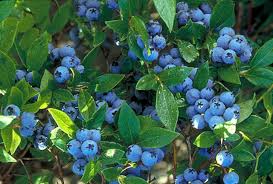
imagesB4EBB1P8 Blueberries are an important food source throughout the black bear range.  The most commonly eaten berries in our area of northwestern Ontario are blueberries and raspberries.   Many other berries are eaten, but they have shorter seasons, are scarce, or are less preferred.

The period when blueberries  are abundant in our area is short & mainly in August-making that period critically important in the black bear’s annual cycle of events.  Efficient feeding during that time is critically important to winter survival, growth, and reproductive success.  Researchers found that bears in NW Ontario end mating activities before the critical feeding period and focus on feeding for the remainder of the summer.

Black bears are efficient berry-eaters, consuming up to 30,000 berries a day in a good year.  They gather berries quickly, using their sensitive, mobile lips and swallowing them whole.  The berries enter a two-part stomach, which grinds the pulp off the seeds.


imagesP1Y6BVCSThe seeds pass through the digestive tract unbroken and able to germinate, making black bears important seed dispersers.  Each summer, they spread the seeds of their favorite berries all over their home ranges.

Black Bear around Wawang Lake gain weight most rapidly during July and August when berries are abundant.  When the berries run out in September, there is little else to eat.  The bear usually seek out their dens in September or October.   The longer period of food abundance enables bears to achieve more growth and reach maturity more quickly than bear.  Bear in NW Ontario typically produce their first litters at 4 to 5 years of age.

Berries contain anti-oxidants, and the seeds of some species contain vitamin B-17, considered an anti-cancer compound by some scientists.  Although cancer occurs in captive bear, it has never been reported in wild bear.

RECIPES

blueberry pancakes wawang lake

Blueberry Pancakes


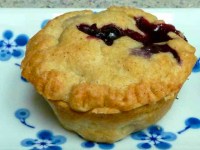
GLUTEN FREE BLUEBERRY PIE

Gluten FREE Blueberry Pie


Follow our FISHING BLOG

WEB   RATES     FISH    HUNT    CABINS    PHOTOS
TESTIMONIALS    BROCHURE    HUNT BOOKLET   NEWSLETTER
Enter your email address to subscribe to this blog and receive notifications of new posts by email.

← Back

Thank you for your response. ✨

Email Me....


Leave a comment

Posted by on January 8, 2017 in black bear, recipe, Wawang Lake Resort


Tags: , , , , , , , ,

STAY CALM

If you’ve had any trouble in the past “keeping it together” when shooting at game,
right now is the time to find a cure.

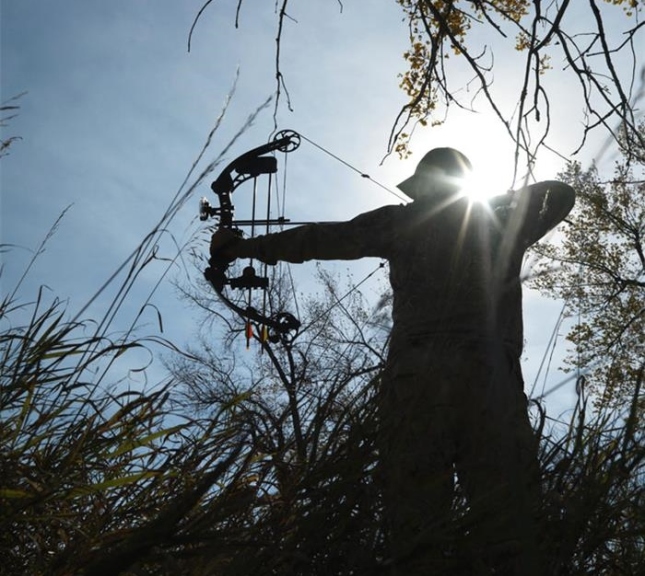
bow-hunting-wawang-lake

Countless of hunters who practice shooting regularly, months before the season opens, and they still have trouble closing the deal when Mr. Big shows himself. Getting excited is fine — excitement is a big part of why we hunt — but there is a big difference between getting excited and falling apart. We owe it to ourselves to perform under pressure. Even more, we owe it to the game we hunt to stay calm enough to make good shots and clean kills.

Below are six steps that have helped hunters stay cool at the moment of truth.

  1. Practice, Practice, Practice Nearly all bow hunters practice their shooting, but many fail to practice properly. To many average bow hunters, practice means flinging 20 to 30 arrows once or twice a week. This is not considered practice. When preparing for a hunt, practice every possible shot sequence, just as if you were actually hunting. That means shoot a 3D target from every possible angle while wearing camouflage, and shoot from any position that might become a possibility during the hunt. You want to be prepared for all contingencies.

Also practice at distances considerably farther than you will shoot on animals. A typical whitetail shot is closer than 30 yards, but practice regularly to shoot out to 80 and even 100 yards. That kind of practice will leave you very confident for any shots closer than 40 yards.

Lack of confidence is the biggest reason some people get shaken at the shot. They just keep thinking they may not make that shot. There are two things to offer those who lack confidence. One, restrict shots to your comfortable shooting range. Two, practice enough different scenarios that when an animal steps into your shooting lane, you’ll have no doubts about making the shot because you’ve already done it dozens of times in practice.

  1. Run & Shoot Now that sounds kind of dangerous, but it’s not meant in a literal sense.  During practice sessions, sprint anywhere from 60 to 100 yards, then pick up your bow and try to put a kill shot on a 3D target. This simulates the adrenaline rush you get when shooting at game. Some people may think it sounds crazy, but, it builds confidence like no other drill. You don’t have to do this every time you practice, but do it often enough to build confidence in your ability to shoot accurately when your heart is racing — whether from running or from watching a buck walk within range.
  2. Flex Those Muscles! When you see a big buck coming down the trail and your heart rate skyrockets, tense every muscle in your body while holding your breath. Then, after five or six seconds, let your muscles relax, and exhale. Do this several times as needed.

This is especially helpful during frigid hunts, when your muscles are stiff and your circulation is poor. It helps improve blood flow, regulate body temperature, settle your heart rate, and relax your muscles, all of which will calm you down to make a good shot. This muscle-tensing tactic has will help keep your cool on numerous animals.

  1. Focus On The Sweet Spot Once you decide to shoot an animal, you have no need to look anywhere other than the hair, scale, or feather you want to hit. Keying in on that certain spot keeps you calm and focused.   Some people miss when they focus on the headgear because they are looking with their mind’s eye at a beautiful shoulder mount gracing the wall above the fireplace. Don’t worry about the headgear while the critter is alive. You will have years to stare at it — if you focus on the vitals before and during the shot.

bow-hunting-wawang-lake (5)

You tend to aim where you are looking. Look at those wide antlers coming your way, and you might put an arrow right through the center of them. Instead, concentrate on the vitals, and that’s where you’ll put your arrow.

  1. Close Your Eyes This isn’t always an option, but when it is, it works. The longer some people look at an animal they want to shoot, the more stage fright they develop. If that’s you, closing your eyes or looking up at the sky will allow you to clear your mind and reorganize your thoughts.

Some people can perform on a moment’s notice, but, others prefer to have some time to evaluate the situation and to analyze every move before actually making it.   If too much time transpires and the nerves start taking over, close your eyes to regain focus before the animal gets within bow range.

  1. The Inner Voices Although you might not have demons and angels on your shoulders taunting you one way or the other, you certainly have inner voices that control your mind when you’re face to face with your prey. Listen to the positive voices and let them build you up.   Feeding your mind with positive thoughts will weed out the negative ones that flow through the minds of so many bow hunters. Doubt is where many archers fail at crunch-time. To eliminate doubt, talk to yourself — positively.

bow-hunting-wawang-lake (2)

Follow our FISHING BLOG

WEB   RATES     FISH    HUNT    CABINS    PHOTOS
TESTIMONIALS    BROCHURE    HUNT BOOKLET


Enter your email address to subscribe to this blog and receive notifications of new posts by email.

← Back

Thank you for your response. ✨

Email Me....


Tags: , , , , , , , , ,

Pay Attention to Detail

Scent can be your biggest ally or your worst enemy

wawanglakebear
Black Bear are attracted to the aroma of a free meal, but if they catch a whiff of you, you can often kiss them good-bye for a day or two.   Keep your clothing and footwear as scent-free as possible. Be alert at all times while hunting your bait. You will most often see bear before you hear them. With padded feet they move with calculated precision. Remember, when they come into a bait station they know the treats were left by humans.

Shot Placement

Regardless of your choice of weapon, whether it is a gun or bow, learning when and where to shoot can mean the difference between an expedited kill, or, the outcome of tracking a wounded animal. We advise our hunters to wait until the bear is preoccupied with the bait and is facing away while standing broadside or quartering away. Bears are extremely tough, so a double lung or heart shot are always your best option therefore taking your time will be important.

wawangshotplacement

When archery hunting, bows must meet the following specifications.

Crossbows: Draw length must be at least (11.8 in.);

  • Draw weight must be at least (119 lbs.);
  • Bolt head must be at least (0.9 in.) at the widest point; and,
  • there must be at least two cutting edges of straight, sharp, un-serrated, barbless steel.

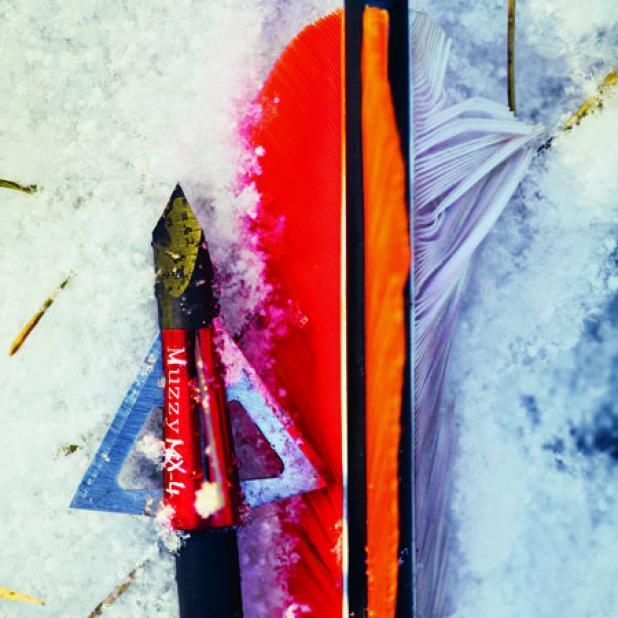
Re-curve Bow:    Draw weight must be at least (48.5 lbs.) at draw length of (27.6 in.) or less;

  • Arrow length must be at least (23.6 in.);
  • Broad head must be at least (0.9 in. at the widest point; and,
  • There must be at least two cutting edges of straight, sharp, un-serrated, barbless steel.

For bow hunting Black Bear we recommend a compound bow with a draw weight of no less than 50 pounds and a 100 grain broad head

Recommended Knowledge base
www.mnr.gov.on.ca/en/Business/FW/Publications/MNR E001275P.html

For rifle hunting black bear we recommend using nothing less than a .270 caliber.
Other recommended calibers: 7mm magnum; .308; .30-06.  NO 30-30’s

Firearm Information www.rcmp-grc.gc.ca/cfp-pcaf/index.htm

The bottom line – baiting is a proven strategy for attracting a wary game animal with a voracious appetite. It involves much more than just tossing out a few tasty morsels. There is a right way and a wrong way to do it and our experienced guides take pride in their skills and knowledge. Keen attention to detail and listening to the guide is the key to your success.

In order to ensure the highest possible success to our hunters we take only an average 14 hunters a year. Should we have an increase in bear sighting throughout the spring and summer we may take a few more hunters but our first obligation is to ascertain a healthy black bear population together with satisfied hunters for years to come.

Most importantly, remember baiting is a ton of work and takes weeks on our part for each hunter. From collecting legal paper work to buying and picking up the ingredients, materials along with travelling for miles and then finally establishing and maintaining each site daily prior to your hunt. It requires foresight and commitment on our part and we do this because of our passion for the outdoors and careful management of our Black Bear.

Follow our FISHING BLOG

WEBSITE    RATES     FISH    HUNT    CABINS    PHOTOS
TESTIMONIALS    BROCHURE    HUNT BOOKLET

Enter your email address to subscribe to this blog and receive notifications of new posts by email.

← Back

Thank you for your response. ✨

Email Me....


Tags: , , , , , , , , ,

Bear Hunt References

It’s always comforting when we know we can reach out and speak with fellow hunters AND especially about the outfitter they’ve chosen to go with.  At Wawang Lake Resort we certainly understand this and have put together a few REFERENCES for you to contact.

Wawang440bear

Jon E. Haman – Tiffin, IA jonschaefferoil@southslope.net Cell (319) 930-0144

440 lb Black Bear 

“Tami and Terry Kaliska run an absolutely first rate operation. Not only do they have the knowledge and put the work in that’s necessary to give you a successful hunt, they share that knowledge and keep working for you until you tag your bear! It was my true honor and privilege to have taken a Pope & Young bear under the tutelage of Ontario legends…the Kaliska’s.  I can’t wait to take my sons to Wawang Lake Resort and live the adventure along side them as well!”

Season opens – 1st Saturday after August 15th and runs for three more weeks

WawangBear4

Follow our FISHING BLOG

WEBSITE    RATES     FISH    HUNT    CABINS    PHOTOS
TESTIMONIALS    BROCHURE    HUNT BOOKLET

Enter your email address to subscribe to this blog and receive notifications of new posts by email.

← Back

Thank you for your response. ✨

Email Me....


Tags: , , , , , , , ,

Your Success Is Our Goal – Black Bear Hunters [with video]

Andy's 475 lb (dressed)

Andy’s 475lb (dressed)

Black  Bear  are  known  predators  and  Ontario  has  the  largest  population of black bear than anywhere in the world. Furthermore, north-western Ontario leads in the concentration of these animals than elsewhere in Ontario, and, rates highest in population concentration  for all of Ontario that also allows for bating practices.

Many deem baiting unfair, giving the hunter a considerable advantage. But contrary to what some would have us believe, it’s far from easy and holds no guarantees!  Bear can sneak in undetected, grab a morsel of food and disappear as fast as they arrived. Bear can also skulk around the bait for hours, never showing themselves. As experienced outfitters we’ve learned that many of our bear will move in cautiously to inspect the provisions. The advantage of hunting in the fall is bear are eager to fatten up for the winter.  The biggest advantage to baiting is that, if and when a bruin finally commits to the bait, it allows the hunter a  an opportunity to assess size, stature and time for shot placement.

About Bear
Black bear habitant range can span from two to 10 miles and resident populations often hold a variety of boars, sows and cubs, so it’s not uncommon to have multiple bears visiting the baited site.  Ontario only offers a FALL BEAR HUNT therefore the chance for the large TROPHY bear is increased dramatically.  Most hunters fear poor coats or hides due to the fall hunt but our area does not suffer that fate. With little to no burrs or ticks, our bear don’t succumb to ticks causing ‘rub’ or dry patchy fur.  We also are known for our high number of white chevrons (patches) to make your trophy even more unique. Black bear

Jon Hanson - Tiffin, IA 440 lb. black bear

Jon Hanson – Tiffin, IA 440 lb. black bear

Black bear have relatively poor eyesight, but outstanding hearing and acute sense of smell. Once they get a taste of your bait, and, as long as it is replenished regularly, they will be reluctant to leave the area.  In fact, once a site is established properly, you can and will see the same bruin day after day.

Location is Critical
Our bait stations have been established for many years (since 1972) and placed along the bear’s natural movement corridor. Heavily  timbered forests near cutovers and waterways often sustain good bear densities.  With berry crops like wild blueberries and raspberries nearby, black bear favor the accessibility and abundance of such forage and most often reside in the proximity.

Claw marks on deciduous trees and there may even be fresh markings, these lasting scars unveil a historical presence. Nomadic creatures, bear commonly travel traditional trails along waterways and natural movement corridors like valleys and ridges.  Finding fresh scat can instill further confidence that bear have frequented the bait.  Keep in mind that well established bait stations offer much more success than new stations since bear follow these game trails year after year.

 WEBSITE    RATES     FISH    HUNT    CABINS    PHOTOS
TESTIMONIALS    BROCHURE    HUNT BOOKLET

Enter your email address to subscribe to this blog and receive notifications of new posts by email.

← Back

Thank you for your response. ✨

Email Me....


Tags: , , , , , , , ,

Black Bear…the basics.

Here is a fantastic and very basic overview of black bear, what they are and why we hunt them 🙂  In the case if Wawang Lake Resort, our outfitting is done in the fall, over bait and the average weight of our boars was 278lbs last year with 2 over 400lbs 🙂  Our sows, 180lbs with three over 300 🙂

Black Bear Hunting Basics

Black Bear Paw in Hunter's Hand

If you’re considering taking up black bear hunting or trying to decide if it’s right for you, it’s a good idea to get an overview of what it’s all about. There are a lot of misconceptions about black bear hunting floating around out there, so it pays to know exactly what you’re in for when you set out to hunt “America’s bear”.

In this article, we’ll cover the basics of black bear hunting, including population, seasons, weapons, meat, trophy items, and biology relevant to hunting.


Population, Seasons, and Weapons

Although the population of the black bear (Ursus americanus) is in decline in some areas of the U.S. (due to habitat loss), in other areas it is growing rapidly, and in still others it is at an all-time high. The total population of black bears in the lower 48 is estimated to be between 300,000 to 500,000, and the Alaska population is estimated to be 100,000 or more.

Black bear hunting is permitted in a little over half of the 50 states. Many Western states have black bear hunting seasons. In some of these states, hunters are allowed to take two black bears per year. Other popular areas include portions of the upper Midwest, the East coast, and the South. Even a handful of states in the East where black bear hunting has been prohibited for years have recently opened up limited seasons.

Black bears are hunted both in the spring and the fall. However, spring seasons are only allowed in about eight states, and spring hunting often requires applying for a lottery. Fall seasons are typically general seasons, and this is the time when most bears are hunted.

Black bears can be effectively taken with any of the typical weapons used for other big game, including rifle, bow, shotgun, muzzleloader, pistol, and crossbow. (As always, be sure to check your particular state’s game regulations.)

Meat and Other Items

Black Bear MeatBlack bear meat is considered by many to be a delicacy. In fact, even as recently as the late 19th century, bear dishes were some of the most expensive items on the menus at the finest, exclusive restaurants. “Bear bacon”, the whole, smoked hind quarter of a bear, was a prized staple in the diet of settlers on the American frontier. The meat is often compared to pork or lamb, but with a distinctive flavor all its own.

Interestingly, that flavor can vary quite widely depending on what the bear has recently been eating. The most highly prized meat comes from spring bears who have been consuming large quantities of grass and other vegetation as well as fall bears who have been feasting on berries, fruit, or nuts such as acorns.

Luckily, although they are omnivores, about 80-90% of a black bear’s diet consists of plant material, so your odds of having tasty meat are extremely good. Younger bears are also widely reported to have better meat than older bears. Assuming you take a younger bear that hasn’t been eating salmon or carrion, you’re in for quite a treat.

An important word of caution here: black bear meat often contains the parasite that causes trichinosis, an infection that usually results in either no symptoms or minor digestive discomfort but in rare cases can cause more serious complications and even death (although only in less than 0.3% of cases).

Fortunately, there is a simple remedy for this. All bear meat must be cooked completely through until there is no visible pink in the meat. Cooking the meat to an internal temperature of 137 degrees is hot enough to make it safe, although the USDA recommends an internal temperature of 160 degrees. Freezing the meat has not been shown to be adequate protection against trichinosis.

Another highly edible part of a black bear is the fat. Bear fat (which is quite plentiful in fall bears) can be rendered to produce a useful and particularly flavorful cooking oil. Even from a modestly sized bear, you can easily get a couple gallons of this precious liquid.

In addition to the meat and fat, there are also a few prized items to be had from a black bear. First, the fir is soft and luxurious, and many hunters keep the hide and turn it into a rug or even clothing such as a vest. Black bear skulls are fascinating thing to look at, and they’re a great conversation starter when displayed up on the mantle or other prominent location.

Biology Relevant to Hunting

Black bears can vary greatly in size, depending on genetics, the quality of the habitat in which they live, and their gender and age. Mature boars (male bears) can weigh in at over 800 pounds in rare cases. The average adult male, however, weighs between 180 and 300 pounds, while the average adult female weighs slightly less, between 140-250 pounds. You can expect to net about 30% of the live weight in meat. For example, a 200 pound bear may produce up to 60 pounds of meat.

Black bears possess impressive athletic abilities. They can sprint at speeds over 30 mph, can climb trees with ease, and are accomplished swimmers. They also have short, curved, sharp claws and canine teeth capable of ripping and tearing flesh. With these traits, it’s easy to see why they fit squarely into the classification of dangerous game.

While black bear attacks are exceedingly rare, even for bear hunters, they do happen. And tracking wounded bears means the danger increases exponentially. The tracking is bound to take you through dense cover, and the bear’s thick fir soaks up blood fast, making for sparse blood trails to follow. Bears have even been known to loop around and double back on their trail, lying in wait for pursuing hunters. However, with proper preparation and planning, as well as solid shot placement, most bears can be recovered safely and without incident.

Note: In regions where black bears share their range with grizzly bears, it’s important to know how to identify the two bears and tell them apart so you don’t accidentally shoot a grizzly bear, which is a violation of federal law. Here’s a handy bear identification training you can take online for free so you can know for sure before you pull the trigger.

The size of a black bear’s home range can vary greatly depending on the location of food sources in the area. It can be as small as a couple square miles or it can be much larger — a male’s home range may go all the way up to 75 square miles in extreme cases. Bears are opportunistic omnivores, which means their movements are often unpredictable. This wandering lifestyle requires specialized tactics, the most common being spot-and-stalk, baiting, hunting with hounds, and calling.

Regardless of which tactics you employ, you’ll need to defeat a bear’s considerable arsenal of finely tuned senses if you want to have any hope of getting close enough for a shot.

Sense of Smell

First and foremost is their sense of smell, which is thousands of times better than a human’s. In fact, it’s been shown that if you take a bloodhound’s nose and multiply it by about seven, you’ll get a sense of the black bear’s olfactory powers.

There are both defensive and offensive strategies you can use in order to overcome these powers and get within range of a bear without it smelling you. On the defensive side, it’s wise to use as many scent control measures as logistically possible. More importantly, always keep tabs on the wind and make sure you’re hunting into it. A windchecker device, such as a small spray bottle filled with unscented talcom powder comes in real handy for this, as does a fine, frayed string tied to the end of your gun or bow.

You can also go on the offensive and use the wind to your advantage. With good scouting and planning, it’s possible to hunt with the wind at your back, allowing your scent to move out ahead of you and drive bears toward another hunter in a treestand or other fixed position.

Sense of Hearing

Next up is their sense of hearing, which is thought to be significantly better than a human’s, although it’s not known exactly how much better. They can detect a human voice at 300 yards and the cocking of a gun at 50 yards.

Your best defense against a bear’s ears is to simply be quiet. Move slowly and carefully, wear quiet clothing, and speak in whispers to your hunting companions. On the offensive side, always keep your ears tuned for bear sounds. Bears make noise when feeding, such as turning over rotten logs looking for grubs, and they communicate with each other through woofs, sniffs, grunts, and growls.

Sense of Sight

Contrary to popular belief, bears do, in fact, see in color. Their vision is roughly equivalent to a human’s — better, if you include the fact that they have excellent night vision. Although they’re somewhat near-sighted, they are adept at detecting movement, even at long distances.

To win the battle of the eyes, you’ll need to have a solid defensive plan. It’s very important to wear full camouflage and choose a pattern that breaks up your outline and matches the local vegetation well. More importantly, always move slowly and cautiously, and never move when a bear is looking in your direction.

As for offense, always carry a pair of high quality binoculars. The black color of a bear’s fur can make them a little easier to spot than other big game like deer. Carry your binoculars on your chest with a harness or “bino bra”, and use them often. When hunting open country using spot-and-stalk tactics, you can also employ a high-power spotting scope to give your eyes even more reach.

More on this next time…………………

← Back

Thank you for your response. ✨

Email Information regarding


Tags: , , , ,

Stop Adding Fat to Your Game Meat

While my Wyoming elk tag has so far gone unfilled, my friend Tess was luckier, tagging her first elk in a Nebraska cornfield not long ago. A heat wave prompted us to spend all day Sunday butchering and last night we put about 20 lbs. of trimmings through the grinder.

I’ve been processing my own (and others) deer and elk for about a dozen years and view adding some type of fat to ground venison as a necessary evil. I prefer ground pork, adding anywhere from 10 to 20 percent. Due to a calculating error on my part (I was told there would be no math!), Tess’ grind ended up at about 25 percent pork, a bit more than she preferred.

Ground_Elk_0910_004
This math problem set me to wondering why hunters take a healthy source of protein and fatten it up? That’s like someone on a diet taking a carrot stick and dipping it in ranch dressing. Quick research shows no clear consensus on what or how much fat to add. Some hunters swear by 50/50, others just 10 percent. Some like pork, others beef tallow. Some add bacon ends and pieces.

Certainly, there’s a rationale to adding fat, including enhancing flavor because, hey, we all know fat tastes good. Fat also keeps meat from drying out when you fry it and helps patties from falling apart. But is there a better, healthier alternative? Yes, depending on how you’re planning to cook it.

Burgers on the grill are probably how much of the ground venison in America makes it to the table. I’ll be the first to admit, making a good burger without fat sounds impossible. The fat not only makes a burger juicy, it also helps it stay in patty form. Next time you have some 100 percent ground venison you want to throw on the grill, trying adding an egg and some breadcrumbs to serve as a binder. I’ve also heard of using steel-cut oats, diced onion, shredded potato and even powdered milk.

When frying ground venison for tacos, chili or spaghetti, cook it without fat. The spices should cover any gamy flavor you or your family might object to. (If not, find a new butcher to process your deer or learn to do it yourself. Since I started DIY processing 12 years ago, I’ve never had gamy game meat.) If the dry texture turns you off, try frying it in a little bit of olive oil, or add moisture as the venison browns in the form of stock, tomato juice or other flavored liquid.

As you can see, there are lots of alternatives to adding fat to your ground venison. What about you? How do you keep your low-fat game meat low fat? – David Draper, Wild Chef Blogger

Follow our FISHING BLOG

WEB   RATES     FISH    HUNT    CABINS    PHOTOS
TESTIMONIALS    BROCHURE    HUNT BOOKLET

Enter your email address to subscribe to this blog and receive notifications of new posts by email.

← Back

Thank you for your response. ✨

Email Me....


Tags: , , , , , , , , ,

Mauled by a Bear

This outdoorsman encountered the worst nightmare the wild can conjure. But thanks to smarts, willpower, and a little luck, he survived, and the lesson learned that could save your life. With survival analysis by Keith McCafferty

survival1

THE MAULING (An older story but worthy of another publish)

On Sept. 26, Brent Prokulevich, 49, was bowhunting by himself for moose in Western Ontario when he was charged by a 300-pound black bear. As told to Colin Kearns.

I flew into the outpost camp on Saturday. My buddy Paul Patiuk and his son Kyle had been there for a few days already and would be guiding moose hunters for the next few days. The plan was for me to hunt on my own on Sunday and Monday in a spot Paul had scouted for me. Then on Tuesday, when their clients had left, we’d hunt together. One of the first things I asked Paul and Kyle when I reached camp was if there were bears in the area. They told me there weren’t any.

I saw no moose during my Sunday hunt, but I did get a cow to call back. I decided to leave my scent rag out overnight, hoping the scent would fill the area. The conditions when I returned in the boat Monday morning were perfect. A fog hung in the cool air, and the wind had died so my calls carried a long way.

In front of me was a dried-up beaver pond littered with dead poplars, leaving me with a clear shot if a moose wandered in. I got into position and readied my bow and arrows. I made my first cow call at 7 a.m. and followed up every 15 minutes until 8:30. That’s when I heard movement in the willows, 33 yards away. As soon as I saw the top of the animal’s back, I knew: S - - t. It’s a flipping bear.

He was big, about 300 pounds. He didn’t see me at first but when he did, our eyes connected immediately. “Get! Get! Get!” I yelled. But he never budged—until he came at me.

This isn’t happening. I grabbed my bow. This can’t be happening. I nocked the arrow. This is happening. I fired a prayer at 8 yards.

I raised my left arm and he locked onto it. We fell to the ground. He had me on my back, but when he let go of my arm I managed to get up to my knees. Then I heard this crunch on my neck. The bite to my arm I hadn’t really felt. This one to the neck, though, I felt. I kept yelling, and at one point I had a flash of my 17-year-old son, Brady. I’m a single dad and I’ve been raising him since day one. I wasn’t going to leave him to live by himself. Something in me snapped. I’m not dying like this!

 survival2
I couldn’t reach my knife, so I grabbed the other arrow and began stabbing the bear in his head, over and over. He let go of my neck and clamped on the back of my shoulder. Then, somehow, I knocked him right on his ass.

There was blood everywhere. My first arrow had entered his chest and must’ve exited through the bottom of his belly because his guts were spilling out. The two of us just sat there for a moment, staring at each other. He swiped at my right arm, then he turned and walked 15 yards before he sat back down. I was going to put another shot in him, but my bow was busted. So I got the hell out of there.

I jumped in the boat and drove around looking for help. But after about 15 minutes with no luck, I turned back toward camp. That’s when I saw the plane landing at camp. When I reached the dock I told Kevin, the pilot, what had happened. He left a note for Paul and Kyle, then we took off. We arrived at the hospital 30 minutes later. I walked into the ER and said to a nurse, “I’ve been attacked by a bear.”

The shoulder bite was a half inch from puncturing a lung, and the neck bite almost hit my spinal cord. But no bones were broken, and the puncture wounds are healing well.
I’m looking forward to hunting again. I’ve taken a couple of walks in the bush recently, which has been nice, but I find I’m looking over my shoulder more often. Every time I hear a little snap.

Survival Analysis
In the matter of risking encounters with bears, bowhunters start with three strikes against them. First, they hunt in early fall, when bears undergo hyperphagia, a period of mad foraging before hibernation that increases the potential for crossed paths. Second, by donning camo, using cover scent, and sneaking quietly through brush and timber, archers spike the odds of chance encounters within the critical 50-yard range, at which bears are more likely to attack. And third, by using lure scents and calling like animals that bears regard as prey, hunters actually encourage unwanted attention.

Prokulevich did the right thing by fighting the black bear. Playing dead is only effective at discouraging grizzlies, and then only under certain circumstances. But he probably could have avoided the attack altogether if he’d had pepper spray on his belt. Under the best of circumstances, arrows offer meager defense—and bullets aren’t much better. In most documented bear attacks, only three seconds elapse between the start of the charge and contact with the person. Do you really think you can raise a rifle, flip the safety, aim, and fire in that window? But you can flick the safety tab and depress the trigger of pepper spray in an instant. Plus, it works. In a study conducted by bear researcher Thomas Smith of hundreds of bear attacks, pepper spray deterred a charge in 92 percent of cases. Bullets deterred a charge only 66 percent of the time, and it required an average of four bullets to stop the bear.  (Be sure to check with local authorities on the legal uses of pepper spray in areas you intend to hunt)

 Stay Safe and Hunt Safe on Your Next Outdoor Hunting Adventure!

Follow our FISHING BLOG

WEB   RATES     FISH    HUNT    CABINS    PHOTOS
TESTIMONIALS    BROCHURE    HUNT BOOKLET

Enter your email address to subscribe to this blog and receive notifications of new posts by email.

← Back

Thank you for your response. ✨

Email Me....


Tags: , , , , , , , , , , ,

Bear Baits – Consistency is Important

Consistent Baiting and Timing is Important
wawanglakebearbaitWe begin baiting two to three weeks prior to the hunters arrival as baiting is lucrative and can vary based on native food source availability, weather pattern and population.  If baiting is done too far in advance, bear can lose interest and become complacent.  The most impact for the hunter is when the food source is new and interesting yet dependable. The baits stations are checked regularly each day and documented as to its status:  whether it’s been hit or not.  This is also the ideal time to determine if the bait station has a sow with cubs or the size of the bear according to tracks.

wawanglakebearbait

Other animals frequent the baits as well.

All the information collected will determine if the bait station will be suitable for the hunter or not. Stations with sows will continue to be baited in order to confine that they remain in that specific area so they don’t wander and disturb the more suitable bait stations held for the hunters.

What Do We Use
Bears are omnivorous and will scarf down just about anything from produce to pastries, bread and meat scraps. The key is to make sure your offerings have a strong odor – sometimes the more putrid the smell, the better … at least when it comes to attracting them as we don’t place this directly on the bait.   However, during the fall bear do not especially like this strong scent on the bait therefore we use these attractants to drag the area ensuring to lure the bear to the bait station where more delectable bread, pastries and leftover good scraps are waiting. Visiting bear that walk trails and roads we’ve dragged will beneficially establish their own scent trail to and from the bait as well luring in even more bear.

The Set Up
Our baits stations are naturally set up and made from logs and other forest fragments. These logs are large, very heavy and piled in a manner making them difficult for smaller animals to move.  When hunters walk into the bait and notice that logs have been tossed around they are certain that a bear hi the bait.

bait

Know the Rules
Study the Ontario hunting regulations.  Know what you can and can’t do, season dates, licensing guidelines, bring firearms into Canada.   We want our hunters to be comfortable while hunting in Ontario and it is also important to know that you will need to bring along a state/province license as proof of hunting experience to show the Ontario license issuer. Always ask if you don’t know that’s what we’re here for.

When to Sit Baits
Our hunters are required to bring their own tree stands.  This is not only for liability reasons, but, also because you will be more familiar with your own tree stand and the more at ease you are with equipment the more it will increase your odds – less to think about. Upon request we will setup ground stands for those that are not able to climb. If this is the case be sure to bring along a comfortable chair.  Evening hours are by far the proven time to encounter bear on the bait. This however is simply a higher percentage timeframe.   Approaching the bait cautiously is always a must due to the fact that hunters have stumbled upon bear contently feeding at all hours, including early morning and mid-day. You can bring along trail timers and cameras to satisfy your knowledge of the activity of your bait station.

Follow our FISHING BLOG

WEBSITE    RATES     FISH    HUNT    CABINS    PHOTOS
TESTIMONIALS    BROCHURE    HUNT BOOKLET

Enter your email address to subscribe to this blog and receive notifications of new posts by email.

← Back

Thank you for your response. ✨

Email Me....


Tags: , , , , , , , , ,