RSS

Monthly Archives: May 2016

JackKnife Smartphone Bow Mount

For the tech savvy and no tech savvy alike, this seems like it would be a great asset to have in the field to relive the memory or analyze any errors that were made.  Those of you that have used it or a product similar, feel free to leave comments in the section below with your experiences 🙂

 imagesZ6TD2K7U

Don’t wait until you get home to see your latest adventure or share with friends…

Social media live in the woods!


Thanks to the new patent-pending JackKnife Smartphone bow mount from S4Gear, hunters will no longer have to wait to get home to see their latest adventure. Mounted off the sight mount, the JackKnife allows hunters to use their phone to film their hunts from the hunter’s eyes. With the ability to view and share their footage filmed right from their bow, its social media live in the woods.


• View your placement before you track your animal
• Use your Smartphone as a training device.
• Sight mounting bracket placement records video from the hunter’s eyes
• Use in addition to other cameras to incorporate split screens in final video pieces

untitled


*Before use of the product, be sure to consult your local hunting regulations as there may be restrictions on the use of electronic devices while hunting.

Follow our FISHING BLOG

WEB   RATES     FISH    HUNT    CABINS    PHOTOS
TESTIMONIALS    BROCHURE    HUNT BOOKLET

Enter your email address to subscribe to this blog and receive notifications of new posts by email.

Go back

Your message has been sent

Warning
Warning
Warning
Email Me....

Warning

Warning.


Tags: , , ,

Proper Field Care for Moose

IMG_6042

One of the most common questions of a first time moose hunter is “The moose is down, now what?”

First-time moose hunters need to know that handling the animal once it is killed will not be easy. But, with the appropriate equipment and a bit of knowledge, the job can go smoothly. If you are planning to have your moose butchered by a professional, it would be wise to check with him in advance about his preferences for handling moose.

Whatever you choose to do will depend a great deal on your means of getting the moose out of the woods and how you plan to transport it to camp or home. The “game taste” people often speak of is usually the result of poor handling more than anything else. With proper care, moose meat can be outstanding table fare.

The main cause of moose meat spoilage is heat. You can avoid this danger by field dressing your moose immediately. Allow the meat to cool rapidly by providing good air circulation. You should also take every precaution to keep your moose free of dirt, debris, blood and hair.

Cheesecloth or commercial game bags offer the best protection from dirt and flies and still allow necessary air circulation. A liberal application of black pepper will also help to discourage flies.

Field dressing should take place as soon after the kill as possible. Once the animal is dead, bacterial action can spoil the meat quickly. The chance of spoilage increases the longer you wait and the warmer the temperature. Bleeding your moose is unnecessary in most cases. Normally, the animal will bleed internally, and immediate field dressing will ensure adequate bleeding.

Field Dressing Your Moose
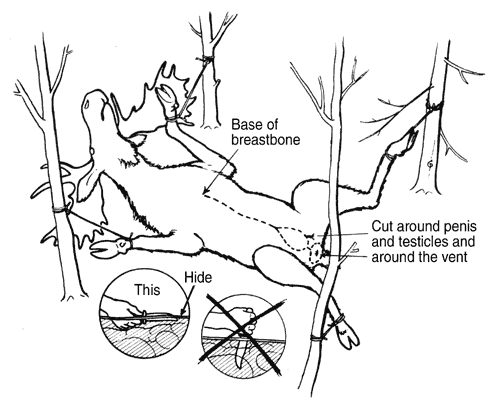
To begin field dressing, position the moose on its back with the head slightly uphill. It is helpful to tie the legs to nearby trees. Make an incision at the base of the breastbone with the tip of a sharp knife. Be careful not to cut the intestines or other internal organs. The contents can taint the meat. Continue the incision down the length of the belly to the anus. Cut through the skin and thin wall of the body cavity only. Face the blade of the knife upward, and away from the internal organs to avoid cutting them. Use the fingers of your free hand as a guide, but be careful not to cut yourself.


 mooseprep1

If the head is not to be mounted, you can continue this cut in the opposite direction to the base of the jaw, exposing the windpipe and esophagus. The windpipe and esophagus should now be severed as close to the head as possible. (Before doing so, tie a string tightly around the esophagus to prevent the stomach’s contents from spilling.) Using your bone saw, split the chest bone down the middle, exposing the contents of the chest cavity.

If you have shot a cow moose, the reproductive tract (ovaries and uterus) can now be removed; you also have the option of waiting until the bowel has been tied. Carefully roll the internal organs to the side until you see the point where two tubes (the rectum and the vagina) exit through the pelvic bone (see illustration). The vagina is the tube nearest the belly. Grasp this and follow it carefully forward until it forks into two tubes, which are the left and right horns of the uterus.

Once you have located the uterus, insert your fingers under it and work your hand in until the organ lays in the palm of your hand. You will notice a thin, almost transparent membrane which connects this organ to the animal’s back. All that now remains is to carefully follow the horns of the uterus to the ovaries. These are bean-shaped organs one to two inches in length. They may be covered with fat so keep looking! When you find them, cut the membranes holding them in place, remove ovaries, and place them in a plastic bag. The uterus can be removed by cutting through the vagina. The ovaries and the uterus should be kept as cool as possible.

Next, circle the anus with your knife, cutting deeply to free the lower bowel. Tie this off with a string to prevent droppings from coming in contact with the meat. Now cut through the flesh of the hams down to the pelvic bone and cut through the pelvic bone with the bone saw.

The internal organs can now be removed. Grasp the tied-off esophagus and trachea and pull them gently but firmly up and back towards the body of the moose. As you do so, have your sub-permitee cut these tissues away from the carcass. Continue this process into the chest cavity, pulling the heart and lungs up and back while cutting any attachments. Once the heart and lungs are freed, cut the diaphragm away from the body on all sides. Then continue firmly pulling on the esophagus and trachea and gently roll the stomach and intestines out of the body cavity, freeing them from all attaching tissues as you go. Once all the viscera is freed of the body, it is best to pull it away from your work space.

Warning!!
Because particularly high cadmium levels have been seen in some moose liver and kidney, it is recommended that you do not consume these organ meats at all.

mooseprep2

Quartering
Quartering is recommended for moose to make handling easier and to allow rapid cooling of the carcass. The hide may be left on each quarter to offer some protection from dirt and flies. If temperatures are above 50 degrees F, you should skin the carcass in the field.

To quarter the animal, you will need a sharp knife and a bone saw. A saw is best to avoid bone splinters and damaged meat.

Begin by removing the head. To do this, cut through the flesh of the neck with your knife. Saw through the vertebrae, and use your knife again to remove the head. Make your cut as close to the head as possible to avoid wasting many pounds of valuable meat.

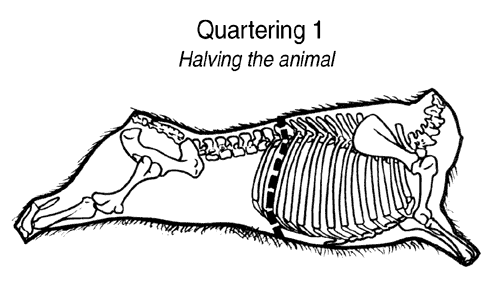
The next step will be to halve the animal. This is done by placing the back of your knife against the backbone between the second and third rib. Push the blade outward, completely through the flesh and hide. Cut upward using the ribs as a guide and do the same on the opposite side. You can now separate the halves by sawing through the backbone.

Quartering is accomplished by sawing straight down the backbone of each half. Underlying flesh or hide can be separated with your knife. The task of halving and quartering will be easier if the animal can be elevated on logs or sticks. Trim away any shot-damaged meat that could lead to premature spoilage.

Be sure to attach your tags before removing quarters from the place of kill. If the quarters can not be removed before darkness, try to hang them in a nearby tree or elevate them on logs to aid cooling. Cover them with boughs or meat socks and hang a marker nearby.
mooseprep3

Getting Your Moose Out Of the Woods
Getting the moose from the kill site to your vehicle or camp will probably be the toughest task you will face. If you’re fortunate, you may be able to drive close to the kill site, but many of the roads through moose hunting zones are private and may not be open to public use.

Another possibility is to locate someone with a skidder or work horses. The majority of hunters will end up packing their moose out of the woods instead of using a vehicle. To do this, you can tie the quarters to a pack frame or pack board or even suspend them from a long pole so the load can be shared. Try not to overexert yourself; the pieces will be heavy, and the going could be rough. It is a good idea to flag each quarter with a piece of blaze orange material to prevent accidents.

If the quarters are still too much to carry, the carcass can be cut into more pieces, but remember, the law requires the field-dressed carcass be delivered to a checking station for examination. Each individual piece must also be labeled with the name, address and hunting license number of the person who shot it.
It is important to get the quarters hung in a cool, shady place, preferably a meat cooler as soon as possible.

Transportation and Cooling
Always protect the carcass from dirt, heat and moisture. Transport the quarters out in the open if possible. The open back of a pickup works well. Elevate the quarters to keep cool and protect from dirt. If conditions are dusty or rainy, cover them loosely with a porous canvas tarp. Do not stack the quarters, allow them to touch or cover them with plastic. Plastic retains body heat and prevents cooling. If you transport in a covered truck or trailer, you should open windows and vents for proper air circulation.

Once back at camp or your home, hang each quarter from a cross pole of some type in a shady area with good air circulation. If you will have a long trip home, it is best to allow the meat to cool overnight before heading home. If this is not possible, consider traveling at night when temperatures are cooler.

If you are transporting your animal directly home, be cautious about hanging the meat in a garage or shed. Often these areas are not cool enough to allow proper cooling and aging of the carcass.

mooseprep4

Skinning
The quarters should be skinned immediately. If daytime temperatures are above 50 degrees and nighttime temperatures are above 40 degrees, you should remove the hide and over with cheesecloth. If the temperature is between 50 and 30 degrees, you can wait a few hours before skinning.

In skinning, work the hide away with the fingers, and peel it off while the quarters are hanging. Use a sharp knife to slice between the flesh and skin of the animal as it is pulled away. Be careful not to cut either one.

Whether you skin the quarters or not, you should cover each one with cheesecloth or a meat sock.

Aging and Butchering
Aging is intended to make the meat tender. This is best accomplished at a constant temperature of about 40 degrees. The temperature during aging must never exceed 50 degrees. For this reason, you will probably want the services of a professional butcher.

If you age your meat outdoors, three to five days is sufficient, but the period varies with temperature and size of the animal. Meat can be aged for as long as 21 days in a cooler.

If you will be handling the meat yourself, remove as much fat as possible before freezing. Removal of bones will save freezer space. Double-wrap and tightly seal all cuts of meat to prevent freezer burn. Meat should be frozen at zero degrees. Don’t try to freeze too much at once. Label and date all packages for future reference. If you don’t have the knowledge or time to process your own moose, then don’t risk ruining it; have it processed at a commercial facility.

Care Of Big Game Trophies
Proper field care of trophies is extremely important for good results in the final mount. If you intend to have the head of your moose mounted, you must take special precautions when skinning it out.

If the weather is warm, and you plan to have a head mount or a “fur on” rug made from the hide, you must remove the skin, salt flesh inside thoroughly, and roll it up flesh side in. Keep it in a cool place (never in a plastic bag) and get it to your taxidermist as soon as possible. Delay may cause “slipping” a condition in which the hair falls off the hide after the tanning process and ruins the hide for its intended use.

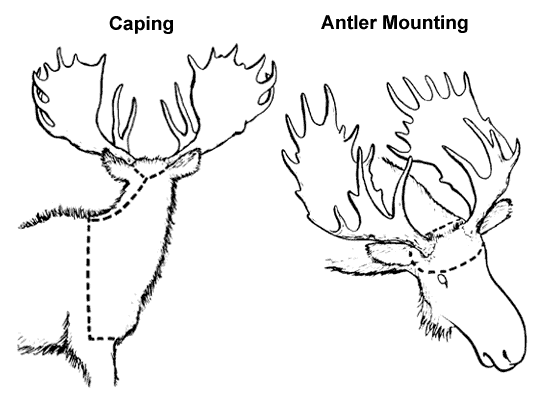
The taxidermist will need as much hide or “cape” to work with as possible. When field dressing, don’t cut any further up the underside than between the front legs. The diagram shows where the cuts should be made to skin the neck. Once the neck is skinned out, the head can be disjointed at the base of the skull and removed with the cape attached. Let the taxidermist skin out the head. He will want the measurements, and the skinning is included in the mounting charge. Remove as much flesh as you can, and salt the cape and all exposed flesh. The head and cape should be kept cool and delivered to the taxidermist as soon as possible.

If you keep only the antlers for mounting, be sure to leave a good portion of the skull attached. The best procedure is to check with your taxidermist in advance of your hunt for specific advice.

To care for the hide, remove all flesh and fat, then salt flesh side well. Moose hides spoil very rapidly in warm weather. You should deliver the hide to a taxidermist within 24 hours after the animal is skinned.

Fine table salt is best for use on hides. Capes will take about 30 pounds of salt. Flat skins will take 50 to 80 pounds. As a guide, figure on using half the weight of the skin in salt. About 24 hours after application, the salt will be wet and will have lost its efficiency — shake it off and re-salt.

Transport the hide rolled up, flesh side in.
mooseprep5

Follow our FISHING BLOG

WEB   RATES     FISH    HUNT    CABINS    PHOTOS
TESTIMONIALS    BROCHURE    HUNT BOOKLET

Enter your email address to subscribe to this blog and receive notifications of new posts by email.

Go back

Your message has been sent

Warning
Warning
Warning
Email Me....

Warning

Warning.


The 5 Medications You Need to Stay Alive in the Wilderness

final_FOREST_PHARMACY_V2aWhen we talk about survival, it’s the marquee dangers that carry the conversation: snakebite, gunshot, bear attack. Nobody mentions the microscopic bug in your intestines that causes such severe diarrhea that you die from dehydration, or the plaque that dislodges from an arterial wall to stop your heart. Not a word of the bee sting that induces anaphylactic shock, asphyxiating you as mercilessly as the coils of a python.

Such little things can kill you, but other little things can save your life. In a wilderness emergency, the five pharmaceuticals in the chart at right can be very big medicine. Use it as a guide, and consult with your doctor.

Customize It’s smart to modify your medical kit to your environment and medical history. For example, you don’t need to pack epinephrine if you have no history of allergies. Also, if you’ll hike above 8,000 feet, consult your doctor about getting a prescription for acute mountain sickness. Acetazolamide (Diamox) or dexamethasone (Deca­dron) tablets can save a life if the victim is promptly evacuated to a lower altitude.

There’s also a pill you might consider adding: a narcotic pain medication such as oxycodone (Percocet) or hydrocodone (Vicodin). If you break a leg, for example, it could mean the difference between hobbling out under your own power or dying where you are. But narcotics must be used with caution. Because they relieve pain by suppressing the brain’s ability to perceive it, they can affect your thinking. If your companion is injured, a pain pill may calm him enough to help you get him to safety. Self-medication is riskier. Only consider using a specific narcotic if you have taken it before and know that it does not affect your decision-making abilities. Otherwise, substitute ibuprofen (Advil, Motrin), which will attack your pain at the site of the injury, leaving your mind clear to help get you out of trouble.

Asprin
For – Chest pain, aches, and to reduce fever.
Dosage – Chew and swallow four 81mg chewable tablets at the onset of chest pain. For aches and fever, follow label directions.
Warning – If you’re allergic to aspirin, other over-the-counter pain relievers can reduce fever, but they don’t thin blood.

Anti-Diarrheal (Imodium A-D)
For – Relief from severe diarrhea that causes dehydration.
Dosage – Swallow two tablets initially, followed by one tablet after each loose bowel movement, not to exceed four tablets daily.
Warning – Consult a doctor before using other antidiarrheals containing bismuth salicylate (Pepto-Bismol).

AntiEmetic (zofran)
For – Severe nausea and vomiting, leading to dehydration.
Dosage – Place one to two 4mg oral dissolving tablets on the tongue every 4 to 6 hours as needed.
Warning – Phenergan suppositories are cheaper, but side effects include twitchy muscles and restlessness; relieve them with Benadryl.

AntiAllergy (Epinephrine supplemented by Benadryl)
For – Allergic reactions to stings or foods, resulting in anaphylactic shock.
Dosage – Inject medicine using an EpiPen. Supplement with Benadryl at the onset of allergy symptoms, 50mg every four to six hours.
Warning – The effects of epinephrine are temporary. Seek medical assistance as quickly as possible.

Antibiotic (Levaquin)
For – Pneumonia; bronchitis; and skin, soft-tissue, sinus, or urinary infections.
Dosage – Take 750mg once per day.
Warning – Levaquin is not recommended for children or teenagers. Check with your doctor for alternatives.

Follow our FISHING BLOG

WEB   RATES     FISH    HUNT    CABINS    PHOTOS
TESTIMONIALS    BROCHURE    HUNT BOOKLET

Enter your email address to subscribe to this blog and receive notifications of new posts by email.

Go back

Your message has been sent

Warning
Warning
Warning
Email Me....

Warning

Warning.


Tags: , , , , , , , , ,

Check Out This Cool Game Cart

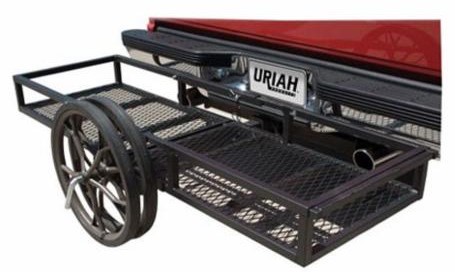
Game carts are a great idea if you hunt in remote areas where a deer must be brought out whole. But dragging 150 pounds of venison in the container is a real chore, especially uphill.

cargocartced893f6-6e87-484c-b6b3-583368469a78

This Car-Go-Cart is a huge help in this department because it attaches to any 2″ trailer hitch receiver and will allow you to transport a deer or other game without having to lift it into the bed of a truck or make a mess of your SUV.

cargocartced893f6-6e87-484c-b6b3-583368469a78222

Additionally, the cart is perfect for camping trips, carrying coolers of ice, storing wood-cutting tools, and a host of other projects. The Car-Go-Cart is available through the QDMA website. Check out this video, which shows how easy it is to set up.

Follow our FISHING BLOG

WEB   RATES     FISH    HUNT    CABINS    PHOTOS
TESTIMONIALS    BROCHURE    HUNT BOOKLET

Enter your email address to subscribe to this blog and receive notifications of new posts by email.

Go back

Your message has been sent

Warning
Warning
Warning
Email Me....

Warning

Warning.


Tags: , , , , , , , , ,

DIY: Easy Odor Absorber

This is a fantastically easy and cost effective de-scenting option for hunting gear 🙂

Odour-Absorber-web
Eons before the advent of scent-control activated charcoal hunting suits, a woman working in a Port Perry convenience store taught me how to capture offensive odors. My children suffered from motion sickness, so when I asked her for a scented air spray to mask the sour smell in the car, she suggested filling a perforated coffee can with charcoal. The results far exceeded all expectations.

Hunting season rolled around and the light bulb went on. I could use the same approach to keep hunting gear scent-free. To this day, all my tote boxes of gear and bags of hunting clothes include a perforated container filled with charcoal. When the charcoal becomes saturated and unable to absorb any more odors, I simply refill the container with new charcoal.

Ensure that the container is first cleaned very well and left to air out for a few days to get any residual coffee odor out.

When purchasing charcoal, be advised not to buy any with any extra additives to ease starting or burning…the cleaner the charcoal the better 🙂

Follow our FISHING BLOG

WEB   RATES     FISH    HUNT    CABINS    PHOTOS
TESTIMONIALS    BROCHURE    HUNT BOOKLET

Enter your email address to subscribe to this blog and receive notifications of new posts by email.

Go back

Your message has been sent

Warning
Warning
Warning
Email Me....

Warning

Warning.


Tags: , , , , , ,

Big Mistakes NOT to Make in Your Bear Stand

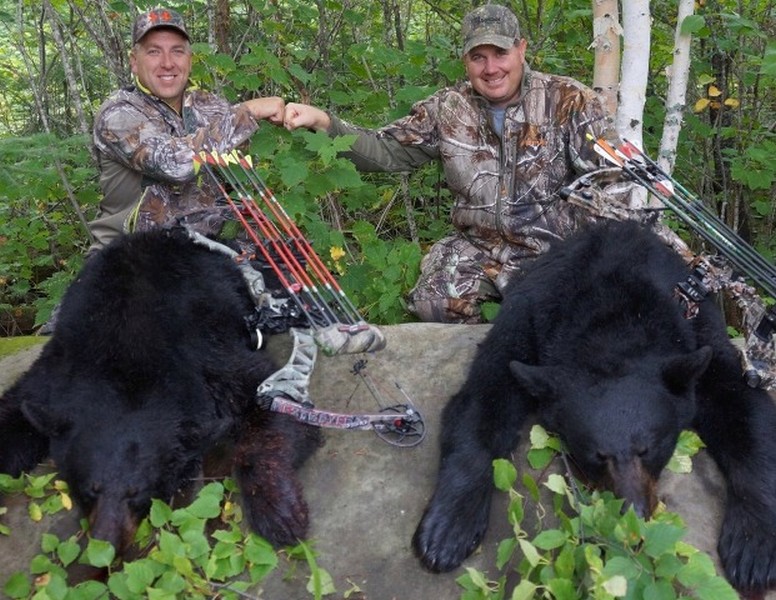
Part of the thrill of the hunt, is the anticipation knowing that with every second that ticks by, you are one second closer to harvesting your trophy black bear. What happens when those seconds turn into hours and then into days? Being under prepared to be in your stand for extended periods of time can be frustrating, and worse yet, can prevent you from achieving a successful hunt.

2 bear sized

 It would be awesome if we knew when and where the harvest was going to take place, but that wouldn’t be hunting then, would it?  Having a plan in your bear stand can make your hunt much more enjoyable. Things to consider: weather, bugs, boredom and nature calls.

Weather – Avid hunters know that fall weather can change in a heart beat. It can go from warm, to cold, windy and raining in the blink of an eye. Having the right clothes in your back pack can make the best of a somewhat undesirable situation.

Bugs – can be a huge annoyance in the great outdoors. Especially when you are forced to sit still for extended periods of time. Avoid bug sprays when bear hunting… PERIOD! A new, unfamiliar scent, along with an intuitive feeling that something isn’t right, will keep trophy bears from over coming fear and committing to your bait. Bug jackets and bug nets are a must. (Oh, on side note, make sure you practice shooting with your bug net on). Regarding the portable propane bug eliminators, we highly advise against them as it is a new scent that can be detected by a bear easily and may quickly deter them.bearstand

Boredom – Nothing will end your hunt faster than impatience and constant movement in your stand. If you are like most guys who can’t sit still for more than 30minutes at a time, you must bring something with to occupy your mind. I personally use a book. I have also seen guys use those portable, pocket video games. Regardless of what you use, make sure you sit sill and only utilize things that will be quiet and non light reflective.

Nature Calls – Ever been in the stand when all of the sudden you have to take a pee? Sucks, doesn’t it? I don’t know how many times I have had this happen to me, yet somehow I always forget to bring a container along. Put a portable urinal on your packing list. Doing so will make the difference between shooting that monster and taking it’s offspring or nothing at all.  NEVER eliminate off of or near your stand!  There is nothing more offensive and frightening to a bear than knowing a human is directly near by.

This slideshow requires JavaScript.

Remember, being prepared to sit that stand can mean the difference between a very successful harvest or having to return and start all over again!

Follow our FISHING BLOG

WEB   RATES     FISH    HUNT    CABINS    PHOTOS
TESTIMONIALS    BROCHURE    HUNT BOOKLET

Enter your email address to subscribe to this blog and receive notifications of new posts by email.

Go back

Your message has been sent

Warning
Warning
Warning
Email Me....

Warning

Warning.


Tags: , , , ,

Wildlife Encounter With A Fisher

4

Suddenly the peace of darkness was shattered by a bloodcurdling screech behind the rock that sent shivers through my body. I spun my 30.06 around to face the creature that might come bounding over the rocks toward me.

1It was pitch black in the Vermont woods while I waited for the dawn of deer opener. From my perch I was above a valley that would funnel deer. A handmade blind stretched between two trees camouflaging me while my back was against some large boulders. There was a fresh snow on the ground where I deposited deer urine to bring in the bucks. The blasting screech on the other side of the rocks was a fisher cat attracted to the doe urine that I had laid down. The nocturnal fisher was screeching a mating call misinterpreting deer urine for another fisher. I whistled a long blast and followed by a silence, the fisher gradually departed the scene, undoubtedly disappointed. When dawn came, the fisher was gone and I saw a nice buck in the valley and downed him with my 30.06.

The fisher (Martes pennant) is a ferocious predator that lives in the deep forest and is rarely seen except at night. Its nocturnal screech sounds like someone crying for help. Trappers take the fisher for its fine fur. It is the largest of the mustelids that include the weasels, mink, otter and skunk.

The fisher cat has a pointed face similar to the weasel and retracted claws make them excellent climbers. The dark brown to black fur shines and some individuals have patches on the chest or abdomen. Their screech- like cry is used to attract mates and sometimes they shriek before killing prey. The fisher commonly eats porcupine, grouse, turkey, poultry, rabbits, domestic cats and other small mammals.

2

Ironically, the fisher cat doesn’t eat fish despite its name, but the name comes from French trappers who called their pelts “fichet”. The fisher is found in Southern Alaska, throughout Canada, California to Maine and the Rocky Mts, any of the northern forests.

The solitary Fisher cat roams the forest areas at night in the summer and sometimes in the day during the winter. Fisher cats breed in Feb to March but have delayed implantation, similar to bears, with fertilized eggs that lay dormant for 10-11 months then eggs implant to uterine wall. Kits are born after 1 ½ months with a litter of 1-4. Fishers are mature at 1yr and females produce their first litter at age 2. Dens are located in tree holes where the female protects and nurses the kits for 4 months. By 5 months the kits are the same size as the adults and killing prey. By late summer, the kits leave and become solitary hunters. The female covers 10 square miles in a circuit, while the male has a 30 mile circuit returning within a week to its first area.

3

The screech is what most people remember about their first encounter with a fisher, while many people enter internet forums with recordings to find out what animal made that screech. If a fisher comes up close to you and lets off a screech, you will never forget it.   By Kathleen Kalina

Follow our FISHING BLOG

WEB   RATES     FISH    HUNT    CABINS    PHOTOS
TESTIMONIALS    BROCHURE    HUNT BOOKLET

Enter your email address to subscribe to this blog and receive notifications of new posts by email.

Go back

Your message has been sent

Warning
Warning
Warning
Email Me....

Warning

Warning.


Tags: , , , , , ,

SAFETY Gun Storage

Modern firearms are powerful tools that experienced shooters understand need to be treated with respect. While a gun is in use, we carefully follow a set of common sense rules to keep everyone safe. But how do we practice firearms safety when the shooting or hunting sessions are over? Most of the guns folks own will spend the majority of their working life at rest, placed in one state of storage or another, until the next shooting event. Since they remain powerful tools between trips to the range, it’s very important to store them properly.

cannon-safe

A wide variety of safe gun storage accessories and containers are currently available. However, there is no universal solution to fill every role, or to fit every budget. Safe storage options are intended to perform one or more of the following tasks, which they do with varying degrees of effectiveness depending on how much money you’re willing to spend:

1. Prevent a gun from firing
2. Protect a gun from physical damage
3. Act as a theft deterrent

It’s much easier to consider the pros and cons of each storage system when they can be compared side by side. The following discussion is a walkthrough of the most common safe gun storage options, starting with the least expensive:

Trigger Locks
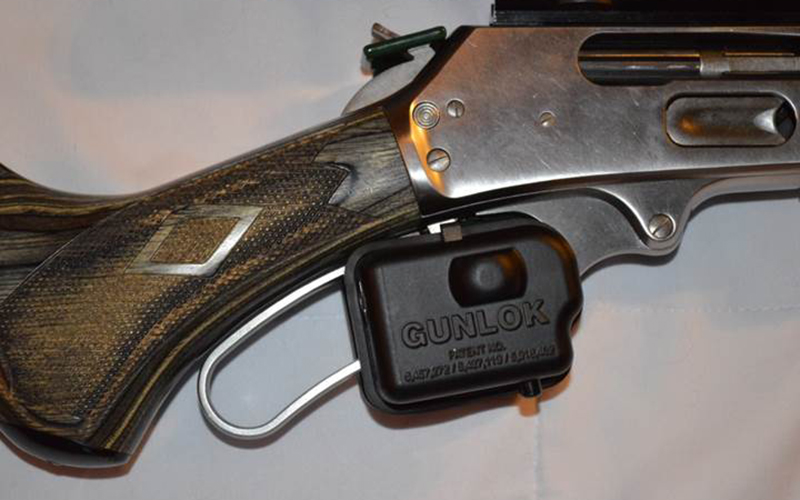
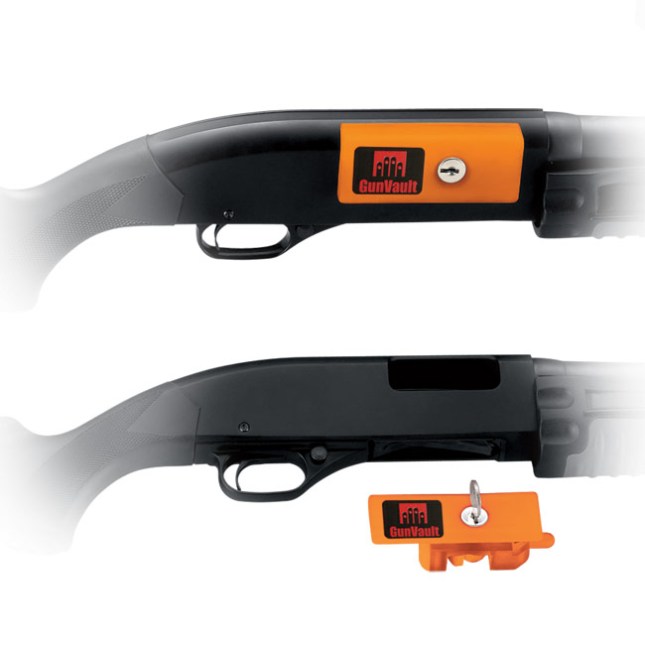
Trigger locks fulfill a single safe gun storage objective: Prevent the gun from firing. Most new guns now arrive from the manufacturer with a trigger lock of some kind or other in the box. Trigger shoes clamp and lock around the trigger housing to prevent the trigger from being pressed. They should not be engaged on a loaded gun because they come in contact with the trigger as they are installed and removed. Cable locks allow the shooter to run cable through the barrel or action of a firearm. Since the cable blocks the action from being closed, the gun cannot be loaded or fired with the cable lock in place.

lever2

If these two lock options are not available, a simple household padlock can be looped over the trigger guard with the hasp set behind the trigger. This will prevent the trigger from completing a firing cycle. Although trigger locks are inexpensive (or even free), and can successfully prevent a gun from firing, they do nothing to protect the gun’s finish or to deter theft.gunvault-breechvault

Soft-Side and Hard-Side Gun Cases 
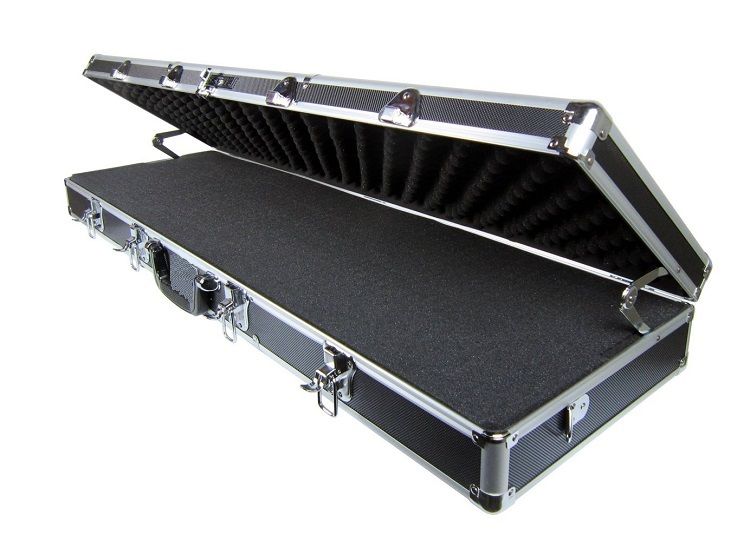
Most sporting goods stores have entire aisles dedicated to affordable handgun, rifle, and shotgun cases. The options available range from padded fabric sleeves to rugged foam-lined plastic cases. The primary role of this kind of affordable carry case is to protect guns from physical damage. While they do a good job of preventing dings and scratches, their role as a security device is relatively limited.

s-l1000Most soft and hard side cases can be “legally” locked for transport to and from the shooting range (check your local regulations). This could be a luggage lock through a soft case’s zipper pull, or a padlock through the handles of a hard case. This security system may be enough to keep small children out as well. However, the materials these cases are made of are easily defeated by ordinary edged implements. These low-cost cases also have a low theft deterrence value since they are light and easy to move. They have to be hidden or locked inside of another container to protect them from theft.

Strong Boxes and Metallic Gun Cases 
In an effort to strike a balance between the security offered by a locking gun cabinet and the portability of a gun case, several companies offer portable strong boxes and metallic gun cases. Metal gun cases usually incorporate a reliable locking system or the means to attach heavy padlocks. Strong boxes, usually intended for handguns, offer mounting systems for permanent attachment to a fixed surface. Some boxes are fitted with quick-opening locking mechanisms, including electronic push-button access and fingerprint scanners.

gunvault-microvault

Strong boxes and metallic gun cases are the first products discussed so far that start to fill all three mandates of a safe gun storage device. They can effectively protect against unauthorized access because of the difficulty in opening these units without a key or lock combination. These containers will effectively protect a gun’s finish from damage. And, if they can be attached or locked to a fixed object or surface, they offer some level of theft deterrence. But with features to fill all three mandates, the price starts to go up. It may be necessary to purchase batteries or extra mounting hardware to take advantage of all the storage device’s available features.

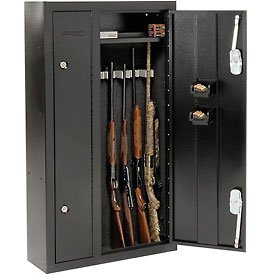
Locking Steel Gun Cabinets
Remember that grand wooden gun display case that your great-uncle had in his den? Looking through the engraved glass panes of the double doors, you could see his beautiful vintage shotgun collection. Sometimes he would retrieve that little brass key to open the doors so you could get a better look. While this kind of locking gun cabinet looks wonderful, it does not offer any truly viable level of safe gun storage, accept against small children. To secure firearms, a locking steel gun cabinet is a more secure choice.

86034

Cabinets differ from gun safes in several respects. They follow a less-is-more design. The thinner gauge of steel, a simple locking mechanism, and the lack of fire-proofing insulation greatly reduces the cost. Because they are light enough to be safely carried by one or two people, they can be set up in apartment buildings or second-floor rooms where a gun safe would simply be too heavy or difficult to install.

Cabinets are a big step up from metallic gun cases or strong boxes when it comes to storing multiple firearms. They offer a much larger storage capacity and more configuration options. Cabinets can be securely bolted to a wall or to the floor. However, they do not offer the same level of theft deterrence as a gun safe. If you have the cash for a high-end cabinet, and the room to store it, you may want to spend a little more and purchase an economy-line gun safe.

Gun Safes
Simply stated, gun safes are the most secure gun storage option available to the average gun owner. Even the basic units have terrific advantages over any of the other gun storage units described so far. A locked safe will definitely prevent a gun from being handled or loaded. The upholstered interior and built-in gun racks will help to protect the finish of the firearms while allowing air to circulate. And, best of all, they are an effective theft deterrent.

browning-pro-series

Much like automobiles or personal computers, gun safes are available with a wide variety of features, locking systems, and finishes, all of which affect the bottom line cost of the unit. These cost-changing features include the gauge (or thickness) of the steel used to construct the safe, the strength and reliability of the locking mechanism, the level of fire resistance (if any), the extent of the warranty, shelf and rack configuration options, as well as the color and quality options for the exterior finish.

ID54-interior

Because all gun safes are relatively expensive (compared to other gun storage options) it makes sense to consider what you want very carefully before you buy. First-time safe buyers should be careful to avoid two common, but serious, mistakes. The first thing to avoid is buying a safe that’s too small. A unit that’s a perfect fit for your collection today may not serve your needs in ten years. A bit more expense up front may save you the trouble of changing out or adding a second safe down the road.

The second mistake is waiting too long to buy one. Yes, gun safes are big, heavy, difficult to install, and expensive to pay for. But they are well worth the trouble if you have a gun collection you care about. How do you know it’s time to invest in a gun safe? If the guns you have are worth more (sentimentally as well as financially) than the cost of the least expensive safe you would be willing to purchase, then it’s time to start shopping for one.

Follow our FISHING BLOG

WEB   RATES     FISH    HUNT    CABINS    PHOTOS
TESTIMONIALS    BROCHURE    HUNT BOOKLET

Enter your email address to subscribe to this blog and receive notifications of new posts by email.

Go back

Your message has been sent

Warning
Warning
Warning
Email Me....

Warning

Warning.


Tags: , , , , , ,

Muscle Exercises for Archery

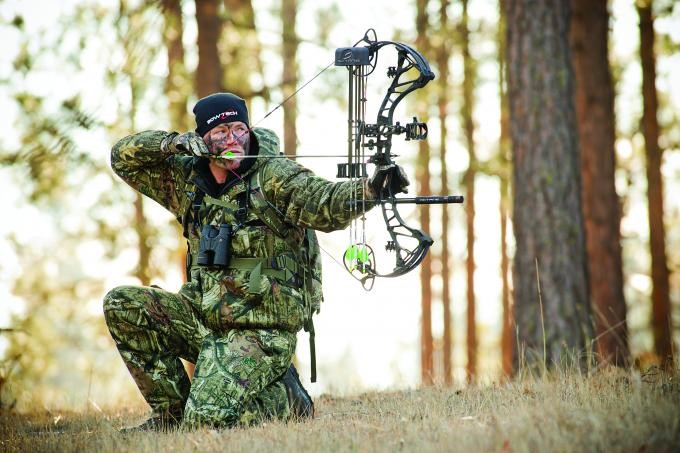
Archery is a sport that involves the use of a bow and arrow, This sport is hundreds of years old and is even featured in the Olympics. The actions in archery utilize several main muscle groups in the body, including the triceps, which sit at the back of your upper arm, the deltoid muscles in your shoulders and the latissimus dorsi muscles in the lower back. To improve your archery skills, include exercises that target these muscles in your workout.

archery123

Raise One Arm to Boost Arm Strength

Dumbbell one-arm lateral raises strengthen the deltoid muscles, which are used to provide strength and power for holding and pulling back the bow in archery. Stand straight with your feet shoulder-width apart, your right hand holding onto a stationary object on your right and your left hand holding a dumbbell straight down so it’s resting in front of your pelvis. Slowly raise your left arm up to the side, continuing until your elbow is at shoulder-level. Lower it back down, repeat and then switch arms.

Row, Row, Row Your Muscles

Spending time on the rowing machine is well worth it if you want to improve muscles for archery, because it works all of the primary muscles used in the sport including the deltoids, latissimus dorsi and triceps. Sit on the seat with your feet strapped in securely. Keep your back straight and hold onto the handle. Slowly push off with your feet, sliding back until your legs are almost fully extended. Return to your starting position and repeat.


resistancebandsexercises

Go Overhead for Strong Triceps

The overhead triceps extension is one of the most effective exercises for the triceps muscles. Stand straight up with your feet close together, one slightly in front of the other and both flat on the floor. Extend your arms fully above your head, grasping the top of a dumbbell with both hands. While keeping your upper arms beside your head, slowly flex your arms, lowering your forearms behind you toward your back until you feel a light stretch in your triceps. Raise your arms back up above you to complete one rep. Repeat.

Get Big Results with the Barbell Pullover

The barbell pullover exercise targets the latissimus dorsi muscle in the back, but it also works the triceps and deltoids, making it an integral muscle exercise for archery. Lie your upper back perpendicular on a flat weight bench, your legs bent in front of you on a right angle with your feet flat on the floor. Grasp a barbell, position your arms so they’re extended straight above you and keep your hands aligned with your shoulders. While keeping your arms straight during the movement, move your arms back in a slow, controlled motion, until the barbell is directly behind your head. Then, return to your starting position. Repeat.

Why You Need the Lat Pulldown in Your Life

The latissimus dorsi is the largest muscle of the back and is one of the main muscles in the body used in archery, primarily during the drawing motion of the bow. Lat pulldown exercises are most effective for targeting this muscle, so try the cable close-grip pulldown. On the seat of a lat pulldown machine, place your feet flat on the floor below you and position your hands above you while grasping onto the parallel cable attachment. Engage your core, pull down on the cable attachment and then return it until your arms are fully extended. Repeat.

bow1

Weights, Reps and Sets

Even with all the right exercises, if you’re not using the right amount of weight or completing the proper number of sets and reps, you’re not going to get the results you’re hoping for. Start off with a weight you can manage, and only increase the amount of weight you’re using when you can complete a full set of 12 reps while maintaining proper form the entire time. Gradually work up to completing three sets of 12 reps.

Follow our FISHING BLOG

WEB   RATES     FISH    HUNT    CABINS    PHOTOS
TESTIMONIALS    BROCHURE    HUNT BOOKLET

Enter your email address to subscribe to this blog and receive notifications of new posts by email.

Go back

Your message has been sent

Warning
Warning
Warning
Email Me....

Warning

Warning.


Tags: , , ,

Black Bear on Bear Highway

It cant go without saying that this year’s batch of hunters fortitude has been tested over and over.  With weather that seems to be taunting them by cold raining one day and jumping to 80+ degrees and sunny the next, these guys have been putting in the hours and time after time have in most cases been rewarded.

On Saturday, Dave, Tim and Jason made the long drive up from Iowa to try their best to outsmart a couple bruin and get a day or two of fishing in.  Optimism high and clouds beginning to hang low, the stands began to be assembled for the drive to the baits.

Each man had a different weapon but all agreed that failure was not an option.  The first day was a shorter than normal sit of only 4 hours and all were thankful that it was a restful sit as they had a long drive before and had sat long enough 🙂

The men arrived back in camp late after a dark trip through the woods.  Dave was ecstatic to let me know that his bait had proven effective and he had spotted an average sized bear that he had decided to pass on and Tim and Jason both had heard but not spotted activity.

SAM_0016 (640x480)

The next day, the three went out, excitement and weapons in hand.  The weather had cooled down and was determined to hold that mercury low for the day.  The boys had layered and knew it would be a good, long, cool day.  The day wore on for us here at the lodge as we completed one task after another waiting for the telltale early truck arrival signalling a downed bear.  As we waited and watched, the clock ticked on.  The sun had already set and the boys were already 30 minutes passed the expected arrival.  We would give them 30 more minutes before setting out to ‘track’ our hunters.  As the minutes dragged on, I had begun to assemble my gear, ready for the drive out with Terry.

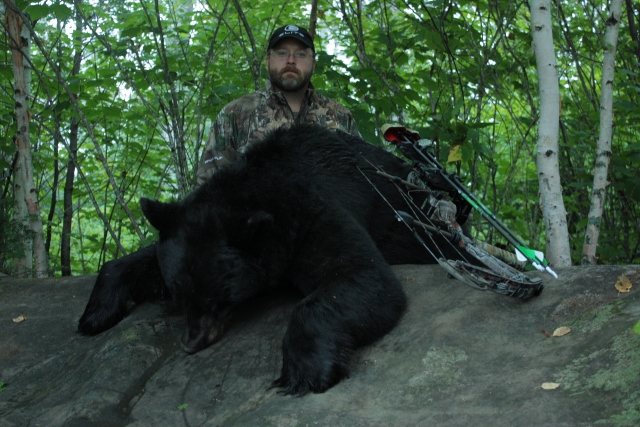
At 11:20 pm, a set of headlights pulled through the trees and the truck slowed to a stop in front of my door.  I emerged to a truck full of smiles, not only had Dave taken his boar of 368lb glory, but Tim had taken his as well!!

IMG_5703 - Copy (640x427) (2)

As we iced the bears down for the night, I had the chance to go over the hunt with both hunters, as a returning hunter to Wawang, Dave was so excited to tell me about all the bears he saw on ‘the bear highway’ today.  He couldn’t help but beam when he told me about the sow and cubs that came for two visits that day as well as the mid sizer that came in between.  He said that with all the action on the bait, it was very simple to decipher the size of his boar.  He was clear that it had trumped everything else that had come for a visit and was so proud to share the pictures.  “There were just bear everywhere I looked!” he repeated.

Smiles all around, Tim spoke up about his hunt and was proud of his harvest, though it wasn’t as big a bear as Dave’s, the tell white half chevron of white on the chest that made a winking emoticon made it very simple for me to dub this boy ‘Winky’ .  Both had prime hides and will make for not only fantastic stories but beautiful mounts to be enjoyed for year after year.

IMG_5726 - Copy (640x427) (2)

Jason was so proud of both of his hunting buddies and is determined to add to the celebration list too!

Follow our FISHING BLOG

WEB   RATES     FISH    HUNT    CABINS    PHOTOS
TESTIMONIALS    BROCHURE    HUNT BOOKLET
Enter your email address to subscribe to this blog and receive notifications of new posts by email.

Go back

Your message has been sent

Warning
Warning
Warning
Email Me....

Warning

Warning.


Tags: , , , , , , , , , , , , ,