RSS

Monthly Archives: February 2015

Hunting Bears With Bows – Decoy Tactics

Trophy boars are smarter than your average bear. But even the savviest old bruin has a few chinks in his armor. Using a decoy is an exciting way to exploit them. Even weary old black bears will come in spoiling for a fight. Here are three strategies for drawing a dominant, hungry bruin into bow range.

 1

The Intruder
Big boars are solitary animals and will claim a food source as their own, commonly defecating along entrance trails to warn other bears away. To get this bear’s attention, stake a small bear decoy near the food source, positioned with its head down and its backside facing the direction you expect a boar to approach. Attach a few strips of black cloth to the decoy’s ears and tail for added realism and collect some bear scat from another area—preferably from a boar—and with a plastic bag, transplant it on the entrance trails.

Now sit back. Any wise old boar that might otherwise camp just off the food until nightfall is almost sure to investigate when he sees your “intruder.” Keep in mind that a boar may visit a food site daily or stop by every second or third day while patrolling his home turf. Be patient, and don’t let your guard down.

2

The Easy Meal
Black bears are fond of fresh meat and will drop their guard to capture an animal in distress. Any small, furry decoy, like those used for foxes and coyotes, wiggling about in plain sight is sure to catch a passing bear’s attention. With a little luck, the bruin will move in quickly to finish off what he thinks is hapless prey. If he hangs up, though, add a few squeals from a dying-rabbit call to entice him.

If whitetail deer are prevalent in your area, a fawn decoy can be too much for any hungry black bear to ignore. Try a few fawn contact bleats, and if that fails, go to a fawn-in-distress call. Nock a broadhead and get ready. The bear will come in fast, so be prepared to shoot pronto.

3

The Feeding Female
You’ll have to wait a few months to use this setup, but it’s a good one to have in your arsenal. Black bears rut in late spring and early summer and will visit bait sites, looking for a sow in heat. If baiting is legal in your area, position a small black bear decoy with its head in the bait barrel, and hang a few scent canisters soaked with sow-in-heat urine 3 or 4 feet off the ground nearby.

Big boars are ultracautious around bait, so odor control is critical. As you’re setting up, wear rubber gloves and spray the decoy down liberally with a quality scent remover. The boar will approach the decoy warily. Don’t rush the shot. As he investigates, you should have plenty of time to draw.

Follow our FISHING BLOG

WEB   RATES     FISH    HUNT    CABINS    PHOTOS T
ESTIMONIALS
    BROCHURE    HUNT BOOKLET

Enter your email address to subscribe to this blog and receive notifications of new posts by email.

Go back

Your message has been sent

Warning
Warning
Warning
Email Me....

Warning

Warning.


Tags: , , , , , , , , , ,

A Timeline of Archery – Through the Ages

5c4f930de5eed6d67cc38f5c7a68950f

Follow our FISHING BLOG

WEB   RATES     FISH    HUNT    CABINS    PHOTOS
TESTIMONIALS    BROCHURE    HUNT BOOKLET

Enter your email address to subscribe to this blog and receive notifications of new posts by email.

Go back

Your message has been sent

Warning
Warning
Warning
Email Me....

Warning

Warning.

 
1 Comment

Posted by on February 16, 2015 in archery, bow, bow hunting, hunting, Wawang Lake Resort


Tags: , , , , , , , , ,

FIELD JUDGING – Black Bear

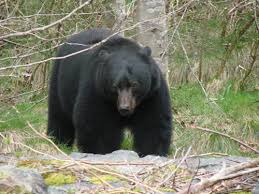
bear3Though some may disagree, black bears are one of the most sought after of all the big game species. Who hasn’t desired a black bear rug? Next to whitetail deer, there is an argument to be made that black bears are the second most popular big game animal to hunt.

Popular to hunt they may be, but easy to field judge, they are not, and yet, in spite of the high degree of difficulty, everyone who hunts black bears wants a big one. A “meat bear” won’t do. To whit, in all the many years I’ve outfitted for black bears, not one of my client-hunters has told me that his dream was to shoot a small bear for the freezer. It hasn’t happened and it never will. The fascination we hunters have with big bears is ancient and primal; a combination of “fear” and “facing fear,” another black bear dichotomy. It’s akin to climbing up onto the roof of a building and looking over the edge, the higher the building (the bigger the bear), and the deeper the fascination.

Taking all this into consideration, why is it then that so many hunters have small or medium-sized black bear skin rugs on their wall? And more to the point of this article, why do they have small bear skulls in their dens? Why indeed. Ask them and virtually every one of them will say something to the effect of, “he (or she) looked huge to me.” It is a standard and a fair evaluation of black bear hunting. Without doubt, the toughest part of taking a big black bear is knowing what “big” looks like. What follows in this article will hopefully help you correctly make what will be your toughest judging call of all.

First Things First
When hunters ask, and they all do, how to judge black bears, they invariably throw in what they know about judging black bears, the one or two tips they’ve read in some bear article, things like “look for small ears” and “big bears have small-looking heads.” Our response is that they are way ahead of themselves, looking at the size of a bear’s ears or head isn’t necessarily wrong, it just isn’t the right thing to be doing first. The first thing they should be looking at when they see the bear they want to judge is the location of that bear.

Location
Big bears live, eat, and hang out in the best living, eating, and hanging out areas. Find the best looking bear habitat in whatever hunting area you are in and odds are, the bear you see there will be big, especially during prime evening hours. Small bears usually live in marginal habitat for their own safety, as well they should, since big black bears eat small bears. Often hunters say that they spotted an especially large bear right up near the edge of the timber, near the big trees. And they may well have, but odds are, the reason that bear is up there near all those good escape trees, is that the bear itself is small and the very tops of those nearby trees are the best insurance against ending up as a bear breakfast.

Of course, location is a relative thing,  a grassy meadow along a creek in the bottom country or a reclaimed road seeded to clover in the high country. In other areas, a good location may be a bait pile or oat field. Because of the huge diversity of black bear habitat across North America, good location is relative and impossible to qualify. Know your hunting area and you’ll know what to look for, but remember, if there’s a bear feeding on a prime spot at prime time, odds are it’s a bear worth judging.

bear9Attitude
Big bears are the toughest, meanest sons-of-a-guns in the area and they act it. Watch a human bully walk down the street, he walks with a swagger and an attitude. A big bear walks the same way. He doesn’t fit and start at every sound like a small bear will. A big bear doesn’t have to; he believes he’s got nothing to fear. Once you’ve spotted your bear on the prime feeding spot during prime time, it’s time to get serious about how that bear is behaving.

It is important to note that long before you judge the size of the bear, you must judge the sex of that bear. A big, old sow will have all, or more correctly, almost all of the physical characteristics of a big, old boar. She’ll have the nasty looking face that’s seen one too many years in the ring, the potbelly and the sway back. The one thing (besides the obvious) that she won’t have, except in exceptional cases, is the “I’m the biggest and baddest son of a gun in the valley” behavior that determines sex more effectively than if that bear was wearing a bikini.

  1. Watch to see if the bear stands on his hind legs and rubs his back on a tree, that’s a boar.
  2. If it walks along and straddles small trees, wiping its scent on that tree, it’s a boar.
  3. If it stands up and breaks saplings over its shoulder, it’s a boar.
  4. If it encounters another bear and gives chase, it’s a boar and if it is following a smaller bear, it’s a boar.

Scale
There is one last general appearance tip to judging black bears that makes the top three in importance, and that is scale. A big bear looks big . . . but so does a closer, smaller bear. Here’s a quantitative example of this. If the bear is 150 yards away but the hunter thinks the bear is 200 yards away, the hunter will overestimate the bear’s relative size by somewhere near 25 percent. In other words, the hunter is in for a serious case of ground shrink when he walks up to his bear. Get as close to the bear as you can. The closer the bear, the less chance there is of misjudging the distance to the bear, and thereby misjudging the bear’s relative size.

Specific Tips for Judging Black Bears
If the bear fails any one of the above general conditions, then let the bear walk. It’s tough but at least there isn’t a dead small bear lying on the ground.

1) Body Shape: Do you wear the same size pants as you did when you were in high school? Be honest, does your spouse poke you in the belly once in a while and tell you to cut back on the Twinkies? Bigger bears are older bears, and like most of us, they don’t have the svelte bodies they once did. They tend to look “heavy” and out of shape. Remember, they monopolize the best feed and habitat, and therefore exert less energy to live.

2) Head Shape: A big bear (boar) will have a deeper, wider and longer snout than a smaller bear or a female. His ears will appear to be wide apart and small. If he is aware of you and looking your way, his ears won’t stand up on top of his head like a dog’s ears, they’ll seem to be aimed out to the side of his head. A big bear will have well developed “bulging like Arnold,” biting muscles on the top of his head.

3) Legs: A big bear will have massively developed front shoulders. His shoulders will look big and burly. A sow’s wrist will pinch in directly above the foot. Not so with a boar. The lower forearm, wrist and the foot on a big boar are all the same width. A big bear often appears to have shorter legs because the body is so much thicker, but keep in mind that the best-scoring bears for the records book are often the lankier looking, longer-bodied bears.


Let Boone and Crockett Sort Them Out
There isn’t a guide or hunter in the world who can accurately call the skull measurement of a black bear. It’s impossible. There are simply too many variables that affect the final dried measurement.  bear6

There are bears that have meatier heads; bears that look great and are great trophies, but that don’t score well. There are others that have short skulls, block-headed beasts that look impressive, but that don’t score well at all and there are lanky, skinny bears with donkey faces that score like the devil, but that a hunter seriously looking for a records book bear wouldn’t walk across the street for. Black bear morphology is just too darn diversified to make a science out of judging.

The best way to hunt for a records book boar is to simply shoot the bear that looks good to you and that hopefully you’ll appreciate. If it’s got a nice hide, be happy with your animal. If it has long claws and weighs a ton, good for you and congratulations. If it isn’t as big as you’d like, don’t fret, you’re not alone and the rug on your wall will still look great. If it happens to be one of those rare few bears that has grown a skull that qualifies for the records book, thank your guide and your lucky stars and don’t expect to repeat the feat in the near future. It won’t be that bigger bears aren’t around—they are—you just won’t be able to tell them apart from the other bears in the area!

BREAKDOWN OF SCORING COMPONENTS – BEAR
bear dia

Follow our FISHING BLOG

WEB   RATES     FISH    HUNT    CABINS    PHOTOS
TESTIMONIALS    BROCHURE    HUNT BOOKLET

Enter your email address to subscribe to this blog and receive notifications of new posts by email.

Go back

Your message has been sent

Warning
Warning
Warning
Email Me....

Warning

Warning.


Tags: , , , , , , ,

Wild Game – Goulash

Is there a goulash soup recipe for those cold nights after being out all day?  Well, yes, there is!  And, even better yet, it includes wild game meat!

goulashsoup


INGREDIENTS:

  • 1 tablespoon oil
  • 1 lb ground deer/elk meat
  • 1 onion, chopped
  • 1 green pepper, chopped
  • 2 stalks celery, chopped
  • 2 tablespoons flour
  • 2 tablespoons sweet paprika
  • 1 teaspoon oregano
  • 1 teaspoon salt
  • pepper, to taste
  • 2 potatoes, peeled and cut in 1/2-inch cubes
  • 1 (10 ounce) can condensed beef broth
  • 4 cups water
  • 1 cup egg noodles (optional)

Directions:

  1. In a large pot over medium-high heat, brown meat in vegetable oil until it is no longer pink, about 8 minutes.
  2. Reduce heat to medium and add onion, pepper and celery. Saute until vegetables are softened, about 10 minutes.
  3. Sprinkle flour over meat and vegetables and cook for 2 minutes, stirring a few times.
  4. Add paprika, oregano, salt and pepper. Stir.
  5. Add potatoes, beef broth and water. Bring to a boil and reduce heat to low. Cover and simmer 15-20 minutes until potatoes are almost done. Add egg noodles and cook for an additional 5 minutes until done.

Garnish with sour cream, chopped fresh dill and serve with pickles.

Follow our FISHING BLOG

WEB   RATES     FISH    HUNT    CABINS    PHOTOS
TESTIMONIALS    BROCHURE    HUNT BOOKLET

Enter your email address to subscribe to this blog and receive notifications of new posts by email.

Go back

Your message has been sent

Warning
Warning
Warning
Email Me....

Warning

Warning.

 
Leave a comment

Posted by on February 14, 2015 in Bear, moose, recipe, Wawang Lake Resort


Tags: , , , , , , ,

Tips for Spot-Stalk Black Bear Hunting

wawangbear2 (550x417)

The most underrated hunt  is for trophy-class fall black bears. There’s this misconception out there that hunters can just walk up on them. That’s just false. They’re one of the toughest trophy animals to spot and stalk in North America.   Get on the record-book bruins with this killer nine-step plan.

1. Find Mature Timber
You have to locate three ingredients to get into big bears, ­Werner says. First, old-growth timber for denning, then food and water. Look for 10- to 50-acre parcels with these three features.

2. Scout it for Sign
Look for big branches broken off trees, claw marks in bark, and rubbed-out bark stubbled with bear hair. Ideally, you’ll also find fresh tracks on the ground measuring 6 inches wide or better.

3. Check for Scat
It comes out green but oxidizes very quickly, turning black almost immediately.   The greener it is inside, the fresher.

bear2

4. Focus on Blueberries and Rose Hips
Bears go into a feeding frenzy in early October. Climb a nearby ridge and monitor the food source with binocs or a spotting scope.

5. Trust your Eyes
Bears feeding heavily will eat for about a third of the day and sleep the rest. The bears you glassed will show.

6. Judge the Bear
When you see a bear, determine if it’s worth going after. If one ear width separates the ears, it’s small; two ear widths, medium. Three means it’s a shooter.  READ:  How to Size a Black Bear

7. Note the Wind
Bears don’t see or hear well, but their nose is 50 times better than a bloodhound’s.  There is no earthly way to beat their nose. The wind must be perfect.

8. Start the Stalk
Follow a route that plays the wind and approaches the bear from behind.  If the bear alerts in your direction, stop and wait.  Only move forward when the bear goes back to feeding and looks relaxed.

9. Make a Clean Kill
Never take a long shot, because anything less than a double-lung hit makes recovery a coin toss.  Because of the nature of hunting large predators, guys get very excited. So you have to practice enough so the shot is second nature.  But when it all finally comes together, there’s nothing better.

Follow our FISHING BLOG

WEB   RATES     FISH    HUNT    CABINS    PHOTOS
TESTIMONIALS    BROCHURE    HUNT BOOKLET

Enter your email address to subscribe to this blog and receive notifications of new posts by email.

Go back

Your message has been sent

Warning
Warning
Warning
Email Me....

Warning

Warning.


Tags: , , , , , , , , ,

Country-Style Fried Bear Steak

This recipe will bring out the southern drawl in anyone. It’s great for any game meat but extra special with bear. It uses a blended creole seasoning mix recipe, which are also included.

bear-steak-620x338[1]

Creole Seasoning

  • 2 tbsp. onion powder
  • garlic powder
  • dried oregano leaves
  • dried sweet basil 1 tbsp.
  • dried thyme leaves
  • black pepper
  • white pepper
  • cayenne pepper
  • salt 3 tbsp.
  • sweet paprika

Blend together in a food processor. Store in an airtight container.

Ingredients

  • 2 lbs. bear steak, cut into 4 equal portions
  • 3 tbsp. creole seasoning,
  • divided ½ lb. bacon, chopped
  • 11⁄4 cups all-purpose flour,
  • divided 1 large egg
  • 2½ cups milk,
  • divided 1 cup bread crumbs
  • ½ cup yellow onion, minced
  • 1 tsp. salt
  • ½ tsp. pepper

Instructions
Place the bear steak on a piece of plastic wrap and cover with another piece of plastic wrap. Pound steak with a meat mallet until it’s ¼ inch thick. Season both sides of meat with 1 tsp. of creole seasoning.

Fry the bacon in a large, heavy skillet until just crisp. Remove and drain. Set pan with the bacon grease aside.

Prepare 3 bowls to dredge the meat.

Into the first bowl, add 1 cup flour and 1 tbsp. creole seasoning.

To the second bowl, add egg whisked with ½ cup milk and ½ tsp. creole seasoning.

Into the third bowl, add bread crumbs mixed with all but ½ tsp of remaining creole seasoning.

Dredge the meat in the first bowl, shake off any excess, then dip in second bowl and again shake off excess, then roll in crumb mixture. Repeat with all steaks.

Reheat the bacon fat in skillet until hot, but not smoking. Carefully add 1 piece of meat and fry until golden, about 3 to 4 minutes per side. Transfer to paper towel to drain, repeat with other pieces of meat.

Add ¼ cup flour and ½ tsp. of creole seasoning to drippings in pan.

Cook over medium heat, stirring constantly for 2 minutes. Add onion and cook, stirring until onions soften, about 4 minutes. Whisk in remaining milk and salt and pepper and bring to a boil. Reduce heat to low and simmer until sauce is thickened, about 5 minutes.

Stir in bacon. Serve with steaks.

Follow our FISHING BLOG

WEB   RATES     FISH    HUNT    CABINS    PHOTOS
TESTIMONIALS    BROCHURE    HUNT BOOKLET

Enter your email address to subscribe to this blog and receive notifications of new posts by email.

Go back

Your message has been sent

Warning
Warning
Warning
Email Me....

Warning

Warning.

 
Leave a comment

Posted by on February 12, 2015 in Bear, black bear, recipe, Wawang Lake Resort


Tags: , , , ,

Moose – FYI

Moose, Alces alces, Canada, North America.Moose are the largest of all the deer species. Males are immediately recognizable by their huge antlers, which can spread 6 feet (1.8 meters) from end to end. Moose have long faces and muzzles that dangle over their chins. A flap of skin known as a bell sways beneath each moose’s throat.

Moose are so tall that they prefer to browse higher grasses and shrubs because lowering their heads to ground level can be difficult. In winter they eat shrubs and pinecones, but they also scrape snow with their large hooves to clear areas for browsing on mosses and lichens. These hooves also act as snowshoes to support the heavy animals in soft snow and in muddy or marshy ground.

moose2In summer, food is far more plentiful in the northern regions of North America, Europe, and Asia. When the ice melts, moose are often seen in lakes, rivers, or wetlands, feeding on aquatic plants both at and below the surface. Moose are at home in the water and, despite their staggering bulk, are good swimmers. They have been seen paddling several miles at a time, and will even submerge completely, staying under for 30 seconds or more.

mooseMoose are similarly nimble on land. They can run up to 35 miles (56 kilometers) an hour over short distances, and trot steadily at 20 miles (32 kilometers) an hour.

Males, called bulls, bellow loudly to attract mates each September and October. The usually solitary bulls may come together at this time to battle with their antlers for mating supremacy. After mating, the two sexes go their separate ways until the following year. Though they may occasionally feed in the same grounds, they tend to ignore each other.

Females give birth to one or two calves in the spring—each weighing some 30 pounds (14 kilograms). These calves grow quickly and can outrun a person by the time they are just five days old. Young moose stay with their mothers until the following mating season.


Follow our FISHING BLOG

WEB   RATES     FISH    HUNT    CABINS    PHOTOS
TESTIMONIALS    BROCHURE    HUNT BOOKLET

Enter your email address to subscribe to this blog and receive notifications of new posts by email.

Go back

Your message has been sent

Warning
Warning
Warning
Email Me....

Warning

Warning.


Tags: , , , , , , , ,

Wildlife Encounter – FYI

a4f406bd410266a2fb5bc212fe525380

Follow our FISHING BLOG

WEB   RATES     FISH    HUNT    CABINS    PHOTOS
TESTIMONIALS    BROCHURE    HUNT BOOKLET

Enter your email address to subscribe to this blog and receive notifications of new posts by email.

Go back

Your message has been sent

Warning
Warning
Warning
Email Me....

Warning

Warning.


Tags: , , , , , , , , , ,

The Mentality of The Wolf Pack

There’s nothing more exciting than calling in wolves and here’s some tips on how to get in on the action.

Wolf

1. Find Them
Wolves have large territories—50 square miles or more—so you can’t just wander out into the woods and start calling. Locate a pack’s core area by wolf howling or coyote howling from roads and ridges, but don’t expect to draw them in that way since wolves are territorial, so they’ll respond to howls, but unless you’re already in their core area, they won’t come in to investigate.

Wolf howls should be loud, long, and guttural—almost mournful, but, you don’t need to get fancy. A two-tone voice call (hands cupped around your mouth) going from high to low will work. Howl three times at most and then wait and listen.                                                                                                                                                                                                                                                                                                                                                                                                                                                                                                                                                                                                                                                                                                                                                                                                                                                                                                                                                                                                                                                                                                                                                                                                                                                                                                 wolves\

WawangWolfHunts2Because wolves generally live in denser cover than coyotes, you need to call louder than you would on a coyote hunt.  Start with an electronic fox or coyote distress call on low volume and then gradually turns it up to maximum volume for a few minutes.  Use coyote challenge howls, barks, and yips to simulate coyotes fighting over a kill, and, simulate a fight for 20 to 30 seconds, then waits about 20 minutes before challenge howling again. If you’re in elk country, bugles and cow chirps will also draw in wolves.

There’s nothing run-and-gun about wolf hunting.  Setup a ground blind and wait all day. Wolves will come to a call from a long distance. They’ll circle your position, or they’ll just sit, wait, and watch. It can take hours before they decide to commit to a call. But when they do, they’ll usually come in quickly.


3. Stay Ready
When you see a wolf coming in to your setup, it sends chills down your back. You’re going to be nervous, so you need to be ready to shoot.  Shooting sticks provide a steady rest when your heart is pounding, and they also make sure your gun is always in shooting position. Any movement will get you busted. Set up in an area where you can see at least 100 yards so you’ll have time get on an incoming wolf.

If you’re not sitting in a blind, hunt with a buddy positioned about 10 yards downwind of you.  Predators, especially wolves, always seem to know where your back is, and you don’t want a big wolf sneaking up behind you.

HUNT the HUNTER –  Ontario’s Timber Wolf

HUNT the HUNTER – Ontario’s Timber Wolf

Tip: 
Use Enough Gun When it comes to choosing a caliber, wolves should be regarded as big game, not varmints. Experienced wolf hunters recommend using a .30-caliber rifle and up. Wolves are solid animals with heavy, matted fur, and commonly weigh 150 pounds or more—about the size of a young whitetail buck.

Follow our FISHING BLOG

WEB   RATES     FISH    HUNT    CABINS    PHOTOS
TESTIMONIALS    BROCHURE    HUNT BOOKLET

Enter your email address to subscribe to this blog and receive notifications of new posts by email.

Go back

Your message has been sent

Warning
Warning
Warning
Email Me....

Warning

Warning.


Tags: , , , , , , ,

The Right Caliber

caliber

Follow our FISHING BLOG

WEB   RATES     FISH    HUNT    CABINS    PHOTOS T
ESTIMONIALS
    BROCHURE    HUNT BOOKLET

Enter your email address to subscribe to this blog and receive notifications of new posts by email.

Go back

Your message has been sent

Warning
Warning
Warning
Email Me....

Warning

Warning.


Tags: , , , , , , , ,