RSS

Tag Archives: Ruffed Grouse

Breast of Grouse Monterey Jack


grouse mont

You don’t have to do much to a ruffed grouse to bring out the great taste; nor do you want to go too far and overwhelm the natural flavors. This simple but delicious recipe archives the perfect balance.

Serves: 4

Ingredients

  • 4 ruffed grouse breasts, butterflied
  • 4 slices Monterey Jack, 1/8-inch thick
  • 1 egg white
  • 1 cup cornflakes, crushed
  • 2 tbsp vegetable oil

Preparation

  • Preheat oven to 325°F. Make a slit almost all the way through each breast; fill each slit with 1 slice of cheese.
  • Whisk egg white lightly; brush over outsides of breasts. Press each breast all over into cornflake crumbs until coated.
  • Heat oil in a heavy ovenproof skillet over medium heat; brown breasts, turning once, about 2 minutes per side. Transfer to oven; roast for 10 minutes to finish cooking.

Follow our FISHING BLOG

WEBSITE    RATES     FISH    HUNT    CABINS    PHOTOS
TESTIMONIALS    BROCHURE    HUNT BOOKLET

Enter your email address to subscribe to this blog and receive notifications of new posts by email.

← Back

Thank you for your response. ✨

Email Me....


Leave a comment

Posted by on August 11, 2016 in grouse, recipe, Wawang Lake Resort


Tags: , , , , , , ,

Grouse Kebobs

2Cubes of ruffed grouse breast skewered along with grape tomatoes, mushrooms and onion make for wonderful kebabs. No ruffies? You can also use other grouse, as well as duck, goose or wild turkey breast meat.

Serves: 4

Ingredients

  • 4 ruffed grouse breasts (skinless, boneless)
  • 3 sprigs fresh thyme
  • 1/2 cup olive oil
  • 1/2 cup white wine
  • Salt and black pepper to taste
  • 1 red onion, cut into ¾-inch cubes
  • 16 grape tomatoes, whole
  • 16 brown mushrooms, whole
  • Canola oil

Preparation

  • Cut grouse breasts into ¾-inch cubes and place in a zip-lock bag with thyme, olive oil, wine, salt and pepper. Marinate in refrigerator for 30 minutes.
  • Remove grouse from bag and thread onto skewers, alternating with onion cubes, tomatoes and mushrooms. Brush kebabs with canola oil and grill until grouse is cooked through.
  • Serve with fragrant basmati rice and carrot rounds.
  • Tip: If you use wooden skewers, first soak them in water for 15 minutes to help prevent them from splintering or burning. Whether you use stainless steel or wooden skewers, coat them in cooking oil before threading on the grouse and vegetables so the food will easily slide off after grilling. Also coat the grill with cooking oil so the kebabs don’t stick.
  • For the glass: For this tasty light meal, fill your glass with a full-bodied beer or a heavy Chardonnay.

Follow our FISHING BLOG

WEBSITE    RATES     FISH    HUNT    CABINS    PHOTOS
TESTIMONIALS    BROCHURE    HUNT BOOKLET

Enter your email address to subscribe to this blog and receive notifications of new posts by email.

← Back

Thank you for your response. ✨

Email Me....


Leave a comment

Posted by on July 21, 2016 in grouse, recipe, Wawang Lake Resort


Tags: , , , , , ,

Baking Soda to Cover Your Scent

Baking soda, the same stuff that deodorizes the fridge and is the key to scent-control system before a hunt.

CN7BBG empty box on white background

Take a soda shower.
The stuff can rub your skin raw if you use it straight, so mix a few tablespoons with some liquid no-scent soap.  Sometimes showering with straight unscented soap, can still leave an odor.

Make a soda-and-clothes lasagna style.
Use baking soda like any other powdered detergent to wash your clothes. Dry them, lay a few items in a plastic tote, sprinkle a layer of soda on that, put in another layer of clothing, sprinkle more soda, and so on until the tote is full. Then place an open box of baking soda in with the clothes and seal the tote up.

Sprinkle your boots.
Obviously, your feet are one of the smelliest body parts because they’re constantly sweating inside your boots,   If boots are wet with perspiration after a hunt, put them on a boot dryer and then sprinkle in some baking soda.  You’ll have very few animals cut your track after applying this tip.

WEBSITE    RATES     FISH    HUNT    CABINS    PHOTOS
TESTIMONIALS    BROCHURE    HUNT BOOKLET

Enter your email address to subscribe to this blog and receive notifications of new posts by email.

← Back

Thank you for your response. ✨

Email Me....


Tags: , , , , , , , , ,

Grouse Hunting at Wawang Lake

Join us in NW Ontario CANADA for some exciting and thrilling grouse hunting

P1130017
Grouse Season:  September 15th to Oct 31st

Grouse hunting is a relaxing pastime that is getting more and more popular every year.  In our area bird hunting can be an adventure in itself!  Driving down the back roads & trails in your truck or on your ATV can not only be thrilling but breathtaking as well as you wander down roads that are in full color deserving of natures fall foliage. Just taking in these magnificent fall colors, peaceful wilderness & the wildlife that you’ll encounter will make you feel like you are definitely “North of the Tension Zone”.

The bush trails with the rise of the birds, singing of the guns, the smell of the pines along with friendly comraderie back at the camp will not long be forgotten.

Surrounding Wawang Lake are hundreds of miles of ATV trails, old logging road, game animal trails and hiking trails. The bush is just stuffed with these upland game birds and on a sunny fall afternoon you will see hoards of them. Many of our guests choose a fishing / grouse hunting combination package and spend half the their time taking advantage of the awesome northern pike and walleye fishing and spend the rest of their time enjoying the clean fall area and exploring the many trails where birds are plentiful.

There are three species of grouse found in Ontario.

Ruffed Grouse  –  Spruce Grouse  –  Sharptail Grouse

Ruffed Grouse is the most common and comprises of 80% of what you will encounter during your hunt.

The limit for grouse in Ontario is 5 birds per day in any combination of species with a total of 15 in your possession and you will be surprised at the number of grouse we do have and how fast you’ll bag those limits.

Compared to other areas the grouse cycle in our area has remained consistently high over the years and we credit this because of less human population that other places are known for.  In a nutshell what you’ll experience at Wawang Lake is a vast area of complete privacy during your hunt.

The most popular guns for grouse hunting are .410 or 20 gauge shot gun and some hunters use a 12 as well.   Quickly becoming more popular is BOW HUNTING for birds.  To increase the thrill and excitement of your hunt give your bow a try and the challenge alone is sure to thrill you.

Blaze orange hat & vest is required and must be worn out in the field

Canadian Firearms Regulations
All Firearms (does NOT include bows) being brought into Canada must be registered at the Canadian Customs at the time of entry into Canada. A one-year permit costs $50.00 Canadian, or there is a long term permit as well. If you would like further information, you can visit the Canadian Firearms Website through the link on our website or call toll free, 1-800-731-4000.

Canadian Customs
You should be aware of special customs and immigration issues whenever traveling to another country. For people with prior legal issues (including DWI’s) you need to find out what restrictions may be placed on your travel. Visit the Border Crossing Link and/or the Canada Citizenship & Immigration.

DEPOSIT REQUIREMENTS
A $150.00 non-refundable deposit is required at the time of reservation to guarantee a hunt. Balance to be paid in full upon arrival at the resort.  Hunting deposits and installments are non-refundable. Consideration may be given to date transfers if vacancy can be filled.

There are a limited number of spaces available for our hunts. Often there are more guests interested in hunting than there are available spaces, and hunts are often booked a year or more in advance. It is extremely difficult to fill spaces that become available due to cancellation. For these reasons we ask that our guests do not book hunts lightly

For further information, or, to book your next bear hunt please contact us at:
1-888-534-9217 or EMAIL

 WEBSITE    RATES     FISH    HUNT    CABINS    PHOTOS
TESTIMONIALS    BROCHURE    HUNT BOOKLET

Enter your email address to subscribe to this blog and receive notifications of new posts by email.

← Back

Thank you for your response. ✨

Email Me....


Tags: , , , , , ,

Great Grouse Mount Ideas for all Budgets

With grouse season upon us, we all know that the meat is fantastic, but did you know that there are various ways to utilize the entire bird.

Full mounts are beautiful but often passed over due to cost:

grousedisplay7

grousedisplay6

grousedisplay8

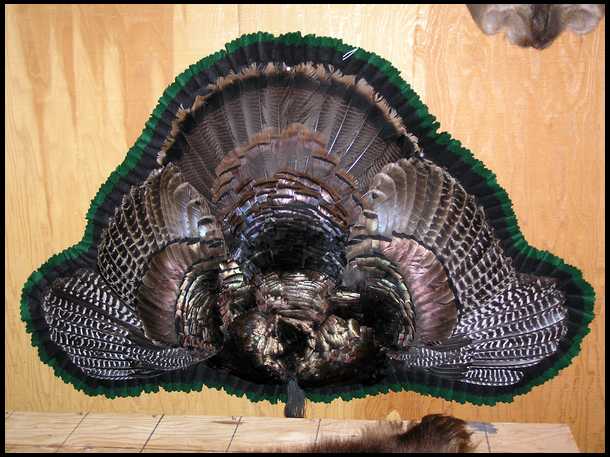
Another great idea is a flat “rug” mount.  Unusual, but beautiful.

grousedisplay3

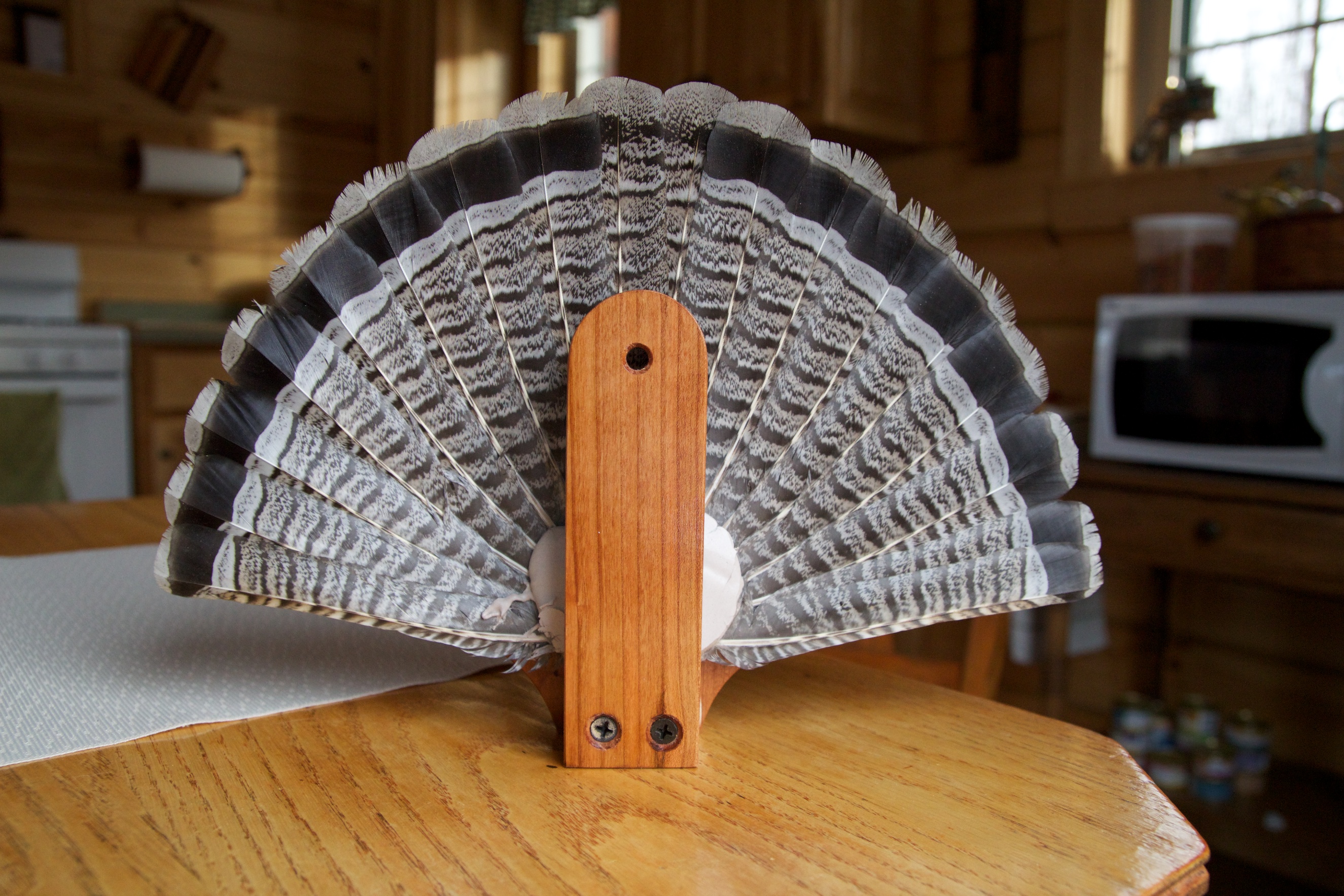
One of the more beautiful ideas is a wall tail fan mount.  These are gorgeous to look at and a good DIY option.

grousedisplay1

grousedisplay4

grousedisplay5

 OLYMPUS DIGITAL CAMERA

These options are not only visually appealing, and with so many options for display, why not utilize the entire bird 🙂

Follow our HUNTING BLOG

WEB   RATES     FISH    HUNT    CABINS    PHOTOS
TESTIMONIALS    BROCHURE    HUNT BOOKLET

Enter your email address to subscribe to this blog and receive notifications of new posts by email.

← Back

Thank you for your response. ✨

Email Me....


Tags: , , , , , ,

Grouse Hunting at Wawang Lake

Join Us For Some Exciting and Thrilling Grouse Hunting
INFO & RATES 

P1130017
Grouse Season:  September 15th to Oct 31st

Grouse hunting is a relaxing pastime that is getting more and more popular every year.  In our area bird hunting can be an adventure in itself!  Driving down the back roads & trails in your truck or on your ATV can not only be thrilling but breathtaking as well as you wander down roads that are in full color deserving of natures fall foliage. Just taking in these magnificent fall colors, peaceful wilderness & the wildlife that you’ll encounter will make you feel like you are definitely “North of the Tension Zone”.

The bush trails with the rise of the birds, singing of the guns, the smell of the pines along with friendly comraderie back at the camp will not long be forgotten.

Surrounding Wawang Lake are hundreds of miles of ATV trails, old logging road, game animal trails and hiking trails. The bush is just stuffed with these upland game birds and on a sunny fall afternoon you will see hoards of them. Many of our guests choose a fishing / grouse hunting combination package and spend half the their time taking advantage of the awesome northern pike and walleye fishing and spend the rest of their time enjoying the clean fall area and exploring the many trails where birds are plentiful.

There are three species of grouse found in Ontario.

Ruffed Grouse  –  Spruce Grouse  –  Sharptail Grouse

Ruffed Grouse is the most common and comprises of 80% of what you will encounter during your hunt.

The limit for grouse in Ontario is 5 birds per day in any combination of species with a total of 15 in your possession and you will be surprised at the number of grouse we do have and how fast you’ll bag those limits.

Compared to other areas the grouse cycle in our area has remained consistently high over the years and we credit this because of less human population that other places are known for.  In a nutshell what you’ll experience at Wawang Lake is a vast area of complete privacy during your hunt.

The most popular guns for grouse hunting are .410 or 20 gauge shot gun and some hunters use a 12 as well.   Quickly becoming more popular is BOW HUNTING for birds.  To increase the thrill and excitement of your hunt give your bow a try and the challenge alone is sure to thrill you.

Blaze orange hat & vest is required and must be worn out in the field

Canadian Firearms Regulations
All Firearms (does NOT include bows) being brought into Canada must be registered at the Canadian Customs at the time of entry into Canada. A one-year permit costs $50.00 Canadian, or there is a long term permit as well. If you would like further information, you can visit the Canadian Firearms Website through the link on our website or call toll free, 1-800-731-4000.

Canadian Customs
You should be aware of special customs and immigration issues whenever traveling to another country. For people with prior legal issues (including DWI’s) you need to find out what restrictions may be placed on your travel. Visit the Border Crossing Link and/or the Canada Citizenship & Immigration.

DEPOSIT REQUIREMENTS
A $150.00 non-refundable deposit is required at the time of reservation to guarantee a hunt. Balance to be paid in full upon arrival at the resort.  Hunting deposits and installments are non-refundable. Consideration may be given to date transfers if vacancy can be filled.

There are a limited number of spaces available for our hunts. Often there are more guests interested in hunting than there are available spaces, and hunts are often booked a year or more in advance. It is extremely difficult to fill spaces that become available due to cancellation. For these reasons we ask that our guests do not book hunts lightly

INFO & RATES

For further information, or, to book your next bear hunt please contact us at:
1-888-534-9217 or EMAIL

 WEBSITE    RATES     FISH    HUNT    CABINS    PHOTOS
TESTIMONIALS    BROCHURE    HUNT BOOKLET

Enter your email address to subscribe to this blog and receive notifications of new posts by email.

← Back

Thank you for your response. ✨

Email Me....


Tags: , , , , , ,

Ontario’s Ruffed Grouse

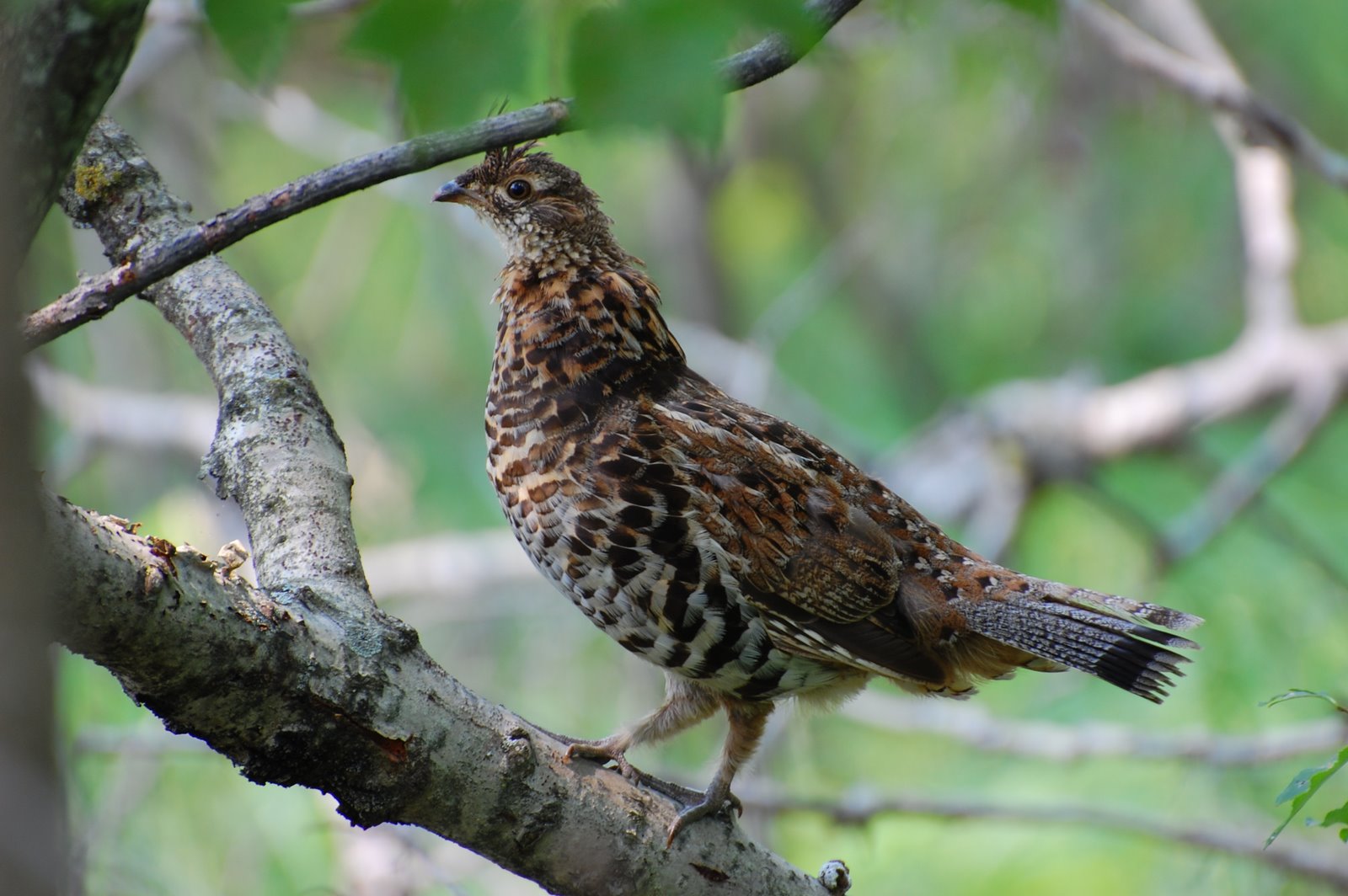
Ruffed GrouseAlthough sometimes regarded as “wilderness” birds, Ruffed Grouse have no aversion to living in close proximity to humans if the cover gives them adequate security. In some areas of Ontario, Canada –  Ruffed Grouse are more abundant in remote wilderness forests. They thrive best where forests are kept young and vigorous by occasional clear-cut logging, or fire, and gradually diminish in numbers as forests mature and their critical food and cover resources deteriorate in the shade of a climax forest.

Ruffed Grouse response to man varies greatly across their range, depending upon their experiences. In southern Ontario generally they are usually quite elusive and difficult to approach. Yet they can still be killed with a canoe paddle or thrown stones in NW Ontario wilderness forests.

When the ground is bare of snow, Ruffed Grouse feed on a wide variety of green leaves and fruits, and some insects. They have also been known to eat snakes, frogs as well. But when snow covers the ground as it does for most of the winter across the major portion of their natural range, Ruffed Grouse are almost exclusively “flower-eaters,” living on the dormant flower buds or catkins of trees such as birches and pin cherry bush’s.

Known as solitary in their social behavior they do not develop a pair-bond between males and females, although there is usually at least one hen in the woods for every male. Young birds, especially, collect in temporary, loose flocks in the fall and winter, but this is not equivalent to the covey organization of the quails and partridges.

Male Ruffed Grouse are aggressively territorial throughout their adult lives, defending for their almost exclusive use a piece of woodland that is 6-10 acres in extent. Usually this is shared with one or two hens. The male grouse proclaims his property rights by engaging in a “drumming” display. This sound is made by beating his wings against the air to create a vacuum, as lightning does when it makes thunder. The drummer usually stands on a log, stone or mound of dirt when drumming, and this object is called a “drumming log.” He does not strike the log to make the noise, he only uses the “drumming log” as a stage for his display.

The drumming stage selected by a male is most likely to be about 10-12 inches above the ground, in moderately dense brush, (usually 70 to 160 stems within a 10 ft. radius) where he can maintain unrestricted surveillance over the terrain for a radius of about 60 ft. Across much of the Ruffed Grouse range there are usually mature male within sight in the forest canopy overhead.

Drumming occurs throughout the year, so long as his “log” is not too deeply buried under snow. In the spring, drumming becomes more frequent and prolonged as the cock grouse advertises his location to hens seeking a mate. Listen to an example at the top of this page.

Courtship is brief, lasting but a few minutes, then the hen wanders away in search of a nest site, and there is no further association between the male grouse and his mate – or the brood of chicks she produces. A hen may make her nest more than 1/2 mile from the log of her mate.

Nests are hollowed-out depressions in the leaf litter, usually at the base of a tree, stump or in a clump of brush. The nest is usually in a position which allows the hen to maintain a watch for approaching predators. Sometimes hens will nest under logs or in brush piles, but this is less common, and a dangerous location.

A clutch usually contains 8 to 14 buff colored eggs when complete. Eggs are laid at a rate of about one each day and a half, so it may take 2 weeks for a clutch to be completed. Then incubation, which usually commences when the last egg is laid, takes another 24 to 26 days before the eggs hatch. A nest has to be placed so that it will not be discovered by a predator during a period of at least 5 weeks.

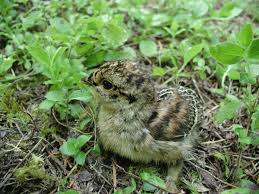
The chicks are prosocial, which means that as soon as they have dried following hatching they are ready to leave the nest and start feeding themselves. Grouse chicks are not much larger than a man’s thumb when they leave the nest. They are surprisingly mobile and may be moving farther than 1/4 mile a day by the time they are 3 or 4 days old. They begin flying when about 5 days old, and resemble giant bumble bees in flight. The hen may lead her brood as far as 4 miles from the nest to a summer brood range during its first 10 days of life.

Although grouse broods occasionally appear on roadsides, field edges or in forest openings, these are hazardous places for young grouse to be, and broods survive best if they can remain secure in fairly uniform, moderately dense brush or sapling cover.

wawanggrouse1The growing chicks need a great deal of animal protein for muscle and feather development early in life. They feed heavily on insects and other small animals for the first few weeks, gradually shifting to a diet of green plant materials and fruits as they become larger. Chicks grow rapidly, increasing from about 1/2 ounce midgets when hatched to 17-20 oz. fully grown young birds 16 weeks later. That is a 38 to 46 fold increase in weight. At 17 weeks of age, a Ruffed Grouse is almost as large and heavy as it will ever be.

Biologists and others who want to age Ruffed Grouse rely upon certain peculiarities of the molt of the primary flight feathers. The booklet A Grouse in the Hand explains this aging procedure. And following the first complete molt by a 14 to 15 month old adult grouse, there are no known physical characteristics which reliably identify the age.

When about 16 to 18 weeks old, the young grouse passes out of its period of adolescence and breaks away to find a home range of its own. This is the second and last time that Ruffed Grouse are highly mobile. The young males are the first to depart, when they range out seeking a vacant drumming territory, or activity center, where they can claim a drumming log. Most young males find a suitable site within 1.8 mi. of the brood range where they grew up, although some may go as far as 4.5 mi. seeking a vacant territory. Many young cocks claim a drumming log by the time they are 20 weeks old; and once they have done so, most will spend the remainder of their lives within a 200 to 300 yard radius of that log.

Young females begin leaving the brood one or two weeks later than their brothers, and they normally disperse about three times as far. Some young hens move at least 15 miles looking for the place where they’ll spend the rest of their lives.

Occasionally a hen and her brood will remain together as late as mid-January, but this is unusual, and most groups of grouse encountered in the fall and winter are composed of unrelated individuals who gather together temporarily to share a choice food resource or piece of secure cover.

In fall and winter some inexperienced young grouse frightened by a predator or something else, crash into buildings, trees or through windows in a so-called “crazy-flight.” Sometimes they are evidently simply trying to take a short-cut when they can see through two large windows on the corner of a house. After all, young grouse in their first fall have never been confronted by something that can be seen through but not flown through, such as glass!

 WEBSITE    RATES     FISH    HUNT    CABINS    PHOTOS
TESTIMONIALS    BROCHURE    HUNT BOOKLET

Enter your email address to subscribe to this blog and receive notifications of new posts by email.

← Back

Thank you for your response. ✨

Email Me....


Tags: , , , , , ,

Tips For More Grouse

trees3Learn to Recognize Good Cover
Some hunters seem to have a sixth sense about where the grouse are. This isn’t magic but rather the culmination of years of experience, observation, and a working knowledge of what the birds need. These guys are constantly reading about grouse habitat and lore; they take note of wherever they hear drumming in the spring. They know that good grouse cover holds food and provides protection from predators — if it is near an evergreen stand or gravel so much the better.

Take a page from these hunters. Every time you or your dog move a bird, have a good look around after the smoke has cleared — you’ll see a pattern soon enough. Study grouse biology at home; carry field guides when you hunt; learn to recognize common grouse foods in your area. After a while you’ll develop that sixth sense too.

Keep a Log
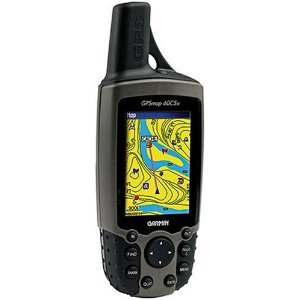
Every serious grouse hunter I know keeps a hunting log. Some maintain elaborate leather-bound journals in which they detail particulars of the hunt such as the date, cover, number of flushes, dog work, weather, harvest, and crop contents of the birds. Other keep it simple, by marking covers on their handheld GPS. Either way, the hunter is reminded of the places that produced grouse last season.gps
Do this consistently and it won’t take many seasons before you have a bevy of early, mid, and late season options. The more options you have, the better your chance of having a grouse dinner.

Break Some Clay
Over the course of a season, few of us get enough shots at grouse. So it only stands to reason that a hunter ought to make the most of each opportunity. I do this by honing my shotgunning skills in the off-season. Skeet, trap, or sporting clays keep a hunter sharp so that mounting and swinging his scattergun becomes second nature. You’ll still miss — grouse have a way of humbling everyone — but you’ll also make some shots that you might not have without the off-season practice. It just takes a few of these to turn a mediocre season into a great one.

Don’t Forget the Dog Days
Spring and summer are tailor-made for training your dog. Despite this, few of us take advantage of the opportunity. Instead, we expect our dogs to work flawlessly on opening day and we’re actually surprised when that doesn’t happen.

Does your flushing dog hunt too far ahead and blow cover before you get there? A little “hup training” (teaching your dog to sit on command, no matter how far away) in the off season goes a long way towards remedying this. You might also consider brushing up on retrieving drills or introducing your dog to pigeons or game farm forays prior to the season. Some advanced training, such as steadying to wing and shot (where a dog sits down automatically at each flush) might require the help of a professional dog trainer. If that’s what you want, the off-season is the time to do it.

P1040011

Pointing dogs have their own set of training needs, which might include bolstering staunchness, retrieving, hunting range and finding dead birds. Whatever your canine hunting partner’s flaw is, the off-season is the time to address it.

The idea is to learn to handle your dog so that you perform as a well-oiled team during the hunting season. There are plenty of great dog training books and videos — the off-season is when you should benefit from them most.

Follow the Food
Grouse eat hundreds of types of food and each provides a clue as to where the birds are hanging out. That’s why it’s a good idea to check the crop of every bird you shoot. Knowing what grouse are eating helps you understand their habits and tells you where you should focus your hunting efforts. If the last three birds you shot were full of blackberries, for instance, it’s definitely time to hunt any of your covers that hold these shrubs.

Against the Wind
A dog relies on his nose to find birds. So why would you hunt with the wind at its back? We all know that there isn’t any good reason for doing so, but it’s one of the first things excited dog handlers forget when approaching good cover.

If you hunt into the wind, your dog will work closer, scent more game and, hopefully, find more birds. It’s a simple but often overlooked strategy that can make the difference between a full and empty game bag. This is also an important consideration when looking for a lost bird. Take your dog downwind from where you think it fell and let it start hunting from there.

Stop and Start
A good grouse hunting dog provides opportunities that you might not have otherwise had, but that’s not to say that a dog less hunter can’t do well. The key, for a dog less hunter, is to stop and start through likely cover and change direction often. These unpredictable patterns unnerve grouse and invariably pressure them into flushing. Another added bonus is that when you stop you can sometimes hear the put-put-put of a grouse moving just ahead of you. If that’s the case, get the gun up and rush it.

Don’t Hesitate
A good upland shot doesn’t hesitate. He takes the first available shot, even if it’s not a great one.

If you wait for a better chance you’ll rarely get it. Similarly, if you are leading a bird that disappears behind a screen of leaves, follow through, and shoot anyway. You’ll be surprised how often you connect. If not, shells are cheap.

While we’re on the subject of shooting, be ready for the second flush. Often, especially, early in the season when birds are still in their family groups, multiple flushes do occur. If you keep this in mind, they won’t catch you flat-footed — or with an empty gun.

Follow Up
Whenever you flush a bird and don’t fold it, mark where you last saw it. Most times they won’t fly much further than 150 yards. If you marked it well and follow up immediately, you have a good chance of forcing a second flush.


This slideshow requires JavaScript.

Another advantage of following up on grouse is that they sometimes lead you to new covers. If that’s the case, don’t forget to mark it.

Lastly, never assume that you missed any grouse that you shot at. After the shot, keep quiet and listen. Sometimes you’ll hear a mortally wounded grouse doing its death dance against the ground — that’s the one that you thought you missed.

The Right Tools
A fast-handling 12, 16 or 20 gauge shotgun is ideal for birds. Most gunners like double guns. Some happen to prefer a pump because that’s what they shoot best with.  However, don’t discount the light weight, easy to carry .410 shotgun.  Nice little gun with ever growing in popularity in our neck of the woods.

Whatever, your preference, you can’t go wrong using 2 3/4-inch shells filled with 7.5 shot. Grouse aren’t tough birds and it doesn’t take much to bring them down. Since most shots are within 15 yards, the more open-choked your barrels are, the better.

Other essential grouse hunting tools include a quality blaze orange upland hunting vest with a lined game pouch; brush pants; comfortable, well-supported hunting boots; and a compass and/or GPS. If you are hunting with a dog, a whistle, water bottle, portable dog dish, dog first aid kit, and lead are important too. When working heavy, thorny cover, a pair of shooting glasses that protect your eyes are worth their weight in gold.

Conclusion
No one ever said grouse hunting was complicated. But it does take some planning, know-how and skill. Over the last few years, these strategies have made many a much better grouse hunter. Hopefully, they’ll do the same for you.

Follow our FISHING BLOG

WEB   RATES     FISH    HUNT    CABINS    PHOTOS
TESTIMONIALS    BROCHURE    HUNT BOOKLET

Enter your email address to subscribe to this blog and receive notifications of new posts by email.

← Back

Thank you for your response. ✨

Email Me....


Tags: , , , , , , ,

Grouse Hunting at Wawang Lake

Join us in NW Ontario CANADA for some exciting and thrilling grouse hunting

P1130017
Grouse Season:  September 15th to Oct 31st

Grouse hunting is a relaxing pastime that is getting more and more popular every year.  In our area bird hunting can be an adventure in itself!  Driving down the back roads & trails in your truck or on your ATV can not only be thrilling but breathtaking as well as you wander down roads that are in full color deserving of natures fall foliage. Just taking in these magnificent fall colors, peaceful wilderness & the wildlife that you’ll encounter will make you feel like you are definitely “North of the Tension Zone”.

The bush trails with the rise of the birds, singing of the guns, the smell of the pines along with friendly comraderie back at the camp will not long be forgotten.

Surrounding Wawang Lake are hundreds of miles of ATV trails, old logging road, game animal trails and hiking trails. The bush is just stuffed with these upland game birds and on a sunny fall afternoon you will see hoards of them. Many of our guests choose a fishing / grouse hunting combination package and spend half the their time taking advantage of the awesome northern pike and walleye fishing and spend the rest of their time enjoying the clean fall area and exploring the many trails where birds are plentiful.

There are three species of grouse found in Ontario.

Ruffed Grouse  –  Spruce Grouse  –  Sharptail Grouse

Ruffed Grouse is the most common and comprises of 80% of what you will encounter during your hunt.

The limit for grouse in Ontario is 5 birds per day in any combination of species with a total of 15 in your possession and you will be surprised at the number of grouse we do have and how fast you’ll bag those limits.

Compared to other areas the grouse cycle in our area has remained consistently high over the years and we credit this because of less human population that other places are known for.  In a nutshell what you’ll experience at Wawang Lake is a vast area of complete privacy during your hunt.

The most popular guns for grouse hunting are .410 or 20 gauge shot gun and some hunters use a 12 as well.   Quickly becoming more popular is BOW HUNTING for birds.  To increase the thrill and excitement of your hunt give your bow a try and the challenge alone is sure to thrill you.

Blaze orange hat & vest is required and must be worn out in the field

Canadian Firearms Regulations
All Firearms (does NOT include bows) being brought into Canada must be registered at the Canadian Customs at the time of entry into Canada. A one-year permit costs $50.00 Canadian, or there is a long term permit as well. If you would like further information, you can visit the Canadian Firearms Website through the link on our website or call toll free, 1-800-731-4000.

Canadian Customs
You should be aware of special customs and immigration issues whenever traveling to another country. For people with prior legal issues (including DWI’s) you need to find out what restrictions may be placed on your travel. Visit the Border Crossing Link and/or the Canada Citizenship & Immigration.

DEPOSIT REQUIREMENTS
A $150.00 non-refundable deposit is required at the time of reservation to guarantee a hunt. Balance to be paid in full upon arrival at the resort.  Hunting deposits and installments are non-refundable. Consideration may be given to date transfers if vacancy can be filled.

There are a limited number of spaces available for our hunts. Often there are more guests interested in hunting than there are available spaces, and hunts are often booked a year or more in advance. It is extremely difficult to fill spaces that become available due to cancellation. For these reasons we ask that our guests do not book hunts lightly

For further information, or, to book your next bear hunt please contact us at:
1-888-534-9217 or EMAIL

 WEBSITE    RATES     FISH    HUNT    CABINS    PHOTOS
TESTIMONIALS    BROCHURE    HUNT BOOKLET

Enter your email address to subscribe to this blog and receive notifications of new posts by email.

← Back

Thank you for your response. ✨

Email Me....


Tags: , , , , , ,

How to Make Game Stock

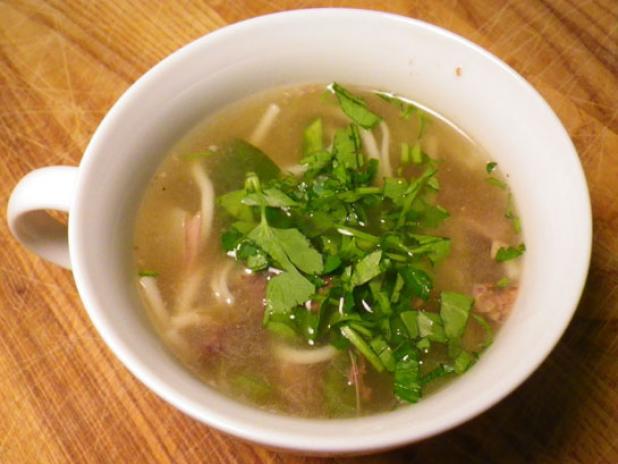
One thing you can do to amp your kitchen credibility quickly is learning to make stock—a flavorful cooking liquid that forms the base of many soups, sauces, and other recipes. Making homemade stock from venison bones or bird carcasses not only give your favorite dishes, such as the duck pho in the photo, a flavor boost, but you’ll be get every last scrap of use from your bird or game animal.

duckpho

The stock making process starts with a scrap bag—a gallon-size Ziploc kept in the freezer that collects the trimmings from onions, carrots, celery and other vegetables. (Of course, you can also make stock with fresh ingredients, but this method is kind of like saving your pennies for a rainy day.) A simple stock can be made by adding the ingredients of the scrap bag into a pot with the leftover carcass from a pheasant, grouse, duck, or goose, deer leg bones or other game scraps, covering everything with water and letting it simmer for a short period of time, say 30 minutes to an hour. However, with just a couple more steps and a bit more time (mostly unattended), you can achieve a richer, fuller flavor by roasting the scraps before soaking them.

Here’s a recipe for pheasant stock, but you could easily substitute the pheasant carcass for just about any game bird or whole or cut leg bones from deer, elk, moose, and other venison.

Stock Recipe

Ingredients
– Pheasant carcass or assorted pheasant bones (NOTE:  You can use any game bird)
– 1 cup each of celery, carrot, and onion scraps
– Assorted herbs, including thyme, parsley, and rosemary
– 1 bay leaf
– 12 cups water (or enough to cover pheasant)

Directions:
1. Preheat the oven to 450 degrees. Place the pheasant bones and vegetables in Dutch oven or heavy, ovenproof stock pot. Place the uncovered pot in the oven and roast for 30 minutes, or until ingredients are browned.

2. Move the pot to the stovetop set the heat to medium-high and add a few cups of water, scraping the bottom of the pan to loosen any browned bits. Cover the pheasant and vegetables with the remaining water, add the herbs and the bay leaf and raise the heat.

3. When the water just starts to boil, remove any scum that has risen to the top. Lower the heat and cover the pot. Simmer slowly for at least 1 hour; two is even better.

4. After a few hours, remove the pot from the heat and let it cool slightly. Remove the bones and vegetables with a slotted spoon and discard. Pour the stock through a cheesecloth-lined strainer or other fine sieve.

You can let the stock sit overnight in the fridge and skim any hardened fat from it the next day, though, with lean birds like pheasants, this generally isn’t necessary.

Stock can be stored for up to a week in the refrigerator or several months, covered, in the freezer.

Follow our FISHING BLOG

WEB   RATES     FISH    HUNT    CABINS    PHOTOS
TESTIMONIALS    BROCHURE    HUNT BOOKLET

Enter your email address to subscribe to this blog and receive notifications of new posts by email.

← Back

Thank you for your response. ✨

Email Me....


Tags: , , , , , , , , , ,