One of our favorite summer foods, moose hamburgers!
When having a gathering of friends on the weekend, you could cook up barbequed burgers for everybody. I don’t know about you and your friends but a friendly gathering around the BBQ and campfire is something we love to do. We are fortunate to live in the country away from the city core so on occasion our gatherings will include a campfire. Sitting around the fire is a great way to relax and get caught up with the goings on with your friends… Don’t you think?
Everyone loves Summer Barbeques, and Moose Hamburgers on the grill are no exception so we thought we would share how to cook moose hamburgers. We added a Pasta and Potato Salad and were set.

How to Make Moose Burgers
Ingredients (makes 16 patties):
- Moose Mince (3 pounds)
- 6 Cloves Garlic – pressed
- 3 Eggs
- 1/2 Cup Bread Crumbs
- 1/2 Cup Bread Crust Crumbs
- 3/4 cup Barbeque Sauce
- 1 Tsp Salt
- 1/2 Tsp Fresh Ground Pepper
- 1/2 Cup Hot Chilli Sauce (just enough for flavor not enough to offend anyone)
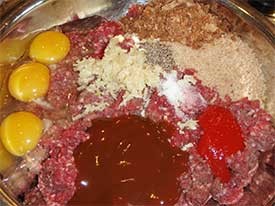
Directions:
- Pre-heat Barbeque
- Combine all ingredients in large bowl
- Thoroughly mix
- Make patties by taking about 3/4 cup of moose meat mixture and flatten. Place on a piece of wax paper for ease of removal. Continue until all moose meat has been used.
- Cook you patties until the moose meat juice starts to pool on the surface of the patties. Turn the patties over and complete the cooking process. Follow the chart below for recommend temperatures for cooking moose meat hamburgers.
We like to put all of our patties on a large tray and then place them in the freezer until I am ready to use them. It doesn’t matter if they freeze, if all the time you have is for them to get a little stiff… that’s OK. It helps to keep the patties together while cooking.
If you don’t use all your patties at once place a piece of waxed paper between each one and then let them freeze for future use. For longer storage, once frozen we put our moose hamburger patties into freezer bags for easy access. If you want to grind your own moose meat get a quality grinder to do the job. Any leftover meat from the previous year can easily be ground.
Hint: Moose Meatloaf Recipe
You can always take the same mixture from the moose hamburgers and place it into a loaf pan… voila… easy moose meatloaf!
Add your favourite dressings and voila you have the makings for a perfect meal!
We added leaf lettuce, sliced tomatoes, sauteed mushrooms, sauteed onion, mozzarella cheese and our own special sauce.
Special Sauce
- Mayonnaise
- Hamburger Relish
- Ketchup
Mix equal portions of mayonnaise and hamburger relish, add about one quarter of your mixture in ketchup. Example: 1/2 cup mayo, 1/2 cup relish, 1/4 cup ketchup. Internal Temperature for Cooked Moose Meat
- Internal temperature of 125-135 = Rare
- Internal temperature of 135-140 = Medium Rare
- Internal temperature of 145-150 = Medium
- Internal temperature of 160 = Well Done
- Internal temperature of above 170 = Don’t Bother… Hahahaha!
Nutritional value of Moose Meat
Moose meat is naturally low in fat, and because it comes from the wild it contains no harmful chemicals or hormones. Moose meat is so low in fat that you often have to add some to prevent it from being dry. When we process our moose meat we do not add any fat to our mince, choosing instead to add fat when cooking as needed.
Enjoy


Do you like what you see? Join us on our Fishing Blog for more up to the minute action, tips and tactics!!


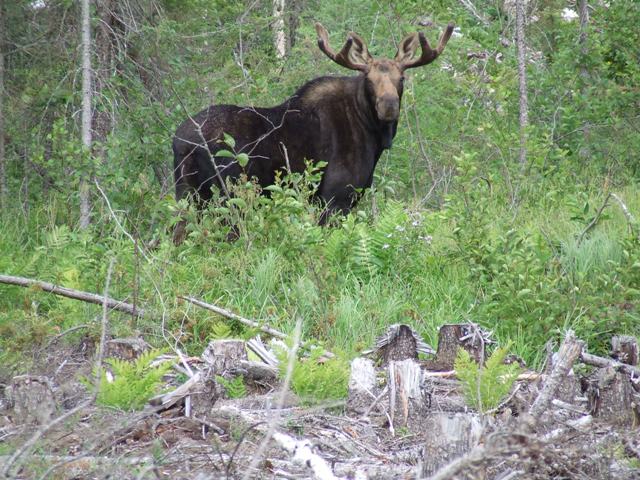


 Bull moose are content to stay with one cow at a time. Unlike breeding elk, which collect a harem, bull moose locate a receptive cow, stay with her a few days then move on. Bulls will service as many willing cows as they can find. By the end of the rut he is spent, thin, and bedraggled. He has fed very little in the last 4 to 6 weeks and now must start to diligently feed. Fat must be put on for the winter ahead.
 Good areas for calling are just inside the edges of brush or timber around lake shores and from low, timbered areas leading toward meadows and bogs. Locate a wallow if you can. This is mud dug up by the front hoofs of a rutting bull to a depth of up to half-a-foot and can be several feet in diameter. The bull urinates in it, then wallows in the reeking mess. Sit hunched down in a concealed stand and grunt or bawl with the instrument you’re using. Wait a few minutes and try again. Try for an authentic sound that would be irresistible to any bull within hearing distance.
 Throughout moose range, calling works relatively well during the rut. To learn the proper sounds of rutting moose, invest in a commercial recording. Spend the time necessary to practice and perfect this “art” form. Few moose hunters are naturally adept at calling and if not done right, you may arouse suspicion rather than eagerness in a listening bull.


 ON TARGET in CANADA