RSS

Tag Archives: bow hunters

Five Ways To Control Your Scent

Deer have always been prey species. They use all of their senses to avoid being killed by predators like coyotes, wolves, bears, hunters, and automobiles. Their most refined defense is their nose. Whitetail deer are believed to have noses one hundred times more sensitive than a dog’s. Uneducated deer are usually not exceedingly wary of human scent. But if you want to get close to a mature buck you’re going to have to control your scent. Here are five great tips for controlling human odor while deer hunting.

SCENT-WAWANG-LAKEScent Control Clothing The first step is scent control clothing. Some clothing utilizes activated carbon, others use silver to eliminate odor. Just about everything from base layers, socks, gloves, pants, jackets, hats, and facemasks are made to control odor. Of course, rubber boots are also an important addition. It doesn’t matter what you wear if you don’t take care of your clothing. If you’re wearing your scent free clothing in the truck or during breakfast you might as well wrap yourself in bacon. Don’t put on your hunting clothing until you’re in the field and have everything else ready to go.

Don’t wash your scent free clothing in normal detergent. Use scent free, phosphate free, UV brightener-free detergent. In fact, wash a load of your normal clothes in this detergent before doing a load of your hunting clothes just to get any residual detergent out of the machine. Once clean, clothing should be stored in a sealed, scent-free container.

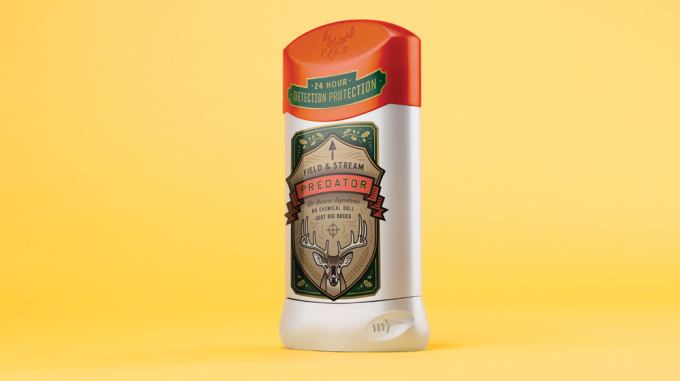
De-Scenting Shower Your body is constantly creating odor. Bacteria is the chief cause of human odor and most scent killing soap is designed to kill bacteria. Lather your entire body and leave the soap on for about a minute before rinsing off. Letting the soap sit on your body will allow it to kill more bacteria. Be sure to wash a supply of towels with your scent free laundry detergent too. Before dressing, apply scent free antiperspirant.

Dirty Mouth One of the most bacteria rich environments on your body is your mouth. As you exhale, much of the scent from your mouth is dispersed into the air. Brush your teeth with unscented baking soda toothpaste at home and just before going into the field. Plaque is a chief producer of scent. Regular visits to the dentist can help control plaque and in turn, control scent. Chewing gum flavored with vanilla, apple, or mint can mask your scent.

Scent-Eliminating Sprays Just about everybody sprays down before hunting these days. But are you doing a good enough job? Buy your spray in bulk at the beginning of the season and don’t be shy about using it. Spray down at the truck and again in the stand. Spray down everything including yourself, your equipment, decoys, calls, and anything else you may have with you.

Using Scents There are two basic types of scents; cover scent and lures. I have seen deer lure scents work but personally avoid them. Using a deer lure scent is essentially asking deer to use their nose at a heightened level. Think about walking into your house when something really good is on the stove. You try to figure out what it is that you are smelling and are very aware of the scents in your home. If you come home before dinner is on the stove your house just smells like it always does and you’re probably not thinking about scent at all. The same principle applies for deer in my opinion. I do like cover scents but I don’t buy commercially produced scents. I prefer using scents from my hunting area. For example, we have junipers, apple trees, and various pines scattered throughout the property. I’ll use branches and apples to mask my scent. I’ve also been known to walk through cow pies on the way into my stand.

You’re never going to completely eliminate your scent. But if you can control it well, you can make a buck and possibly even a bear think your 200 yards away when you’re really just 20 yards away.

Follow our FISHING BLOG

WEBSITE    RATES     FISH    HUNT    CABINS    PHOTOS
TESTIMONIALS    BROCHURE    HUNT BOOKLET

Enter your email address to subscribe to this blog and receive notifications of new posts by email.

← Back

Thank you for your response. ✨

Email Me....

 
Leave a comment

Posted by on June 12, 2016 in hunting, Wawang Lake Resort


Tags: , , , , , , , , ,

How to Size a Black Bear

……… WHEN SIZING UP A BEAR

WawangLakeBear
A big bear swaggers and walks with attitude. He doesn’t jump at every sound like a small bear will.  A big bear doesn’t have to; he believes he’s got nothing to fear. Once you’ve spotted your bear on the bait site, it’s time to get serious about analyzing how that bear is behaving.

It is important to note that long before you judge the size of the bear, you must judge the sex of that bear and here are some things to take into consideration:

A big, old sow will have all, or more correctly, almost all of the physical characteristics of a big, old boar. She’ll have the nasty looking face that’s seen one too many years in the ring, the potbelly and the sway back.

Watch to see if the bear stands on his hind legs and rubs his back on a tree, that’s a boar.  If it walks along and straddles small trees, wiping its scent on that tree, it’s a boar.  If it stands up and breaks saplings over its shoulder, it’s a boar.  If it encounters another bear and gives chase, it’s a boar and if it is following a smaller bear, it’s a boar.

SCALE:  There is one last general appearance tip to judging black bear that makes the top three in importance, and that is scale.   A big bear looks big . . . but so does a closer, smaller bear.   Here’s a help tip on how to gauge more accurately.  If the bear is 150 yards away but the hunter thinks the bear is 200 yards away, the hunter will overestimate the bear’s relative size by somewhere near 25 percent.   In other words, the hunter is in for a serious case of ground shrink when he walks up to his bear.  TIP:  Let the bear get as close to you as possible and preferably on the bait itself.   The closer the bear, the less chance there is of misjudging the distance to relative size.

SPECIFIC TIPS FOR JUDGING BLACK BEARS: If the bear fails any one of the above general conditions, then it’s advisable to pass up on it or let the bear walk. It’s tough and you could be wrong, but at least there isn’t a dead small bear lying on the ground.   Call it a personal aversion to guilt.

BODY SHAPE:    Bigger bear are older bears, and like most of us, they don’t have the svelte bodies they once did. They tend to look “heavy” and out of shape. Remember, they monopolize the best feed and habitat, and therefore exert less energy to live.

HEAD SHAPE:   A big bear (boar) will have a deeper, wider and longer snout than a smaller bear or a female. His ears will appear to be wide apart and small. If he is aware of you and looking your way, his ears won’t stand up on top of his head like a dog’s ears, they’ll seem to be aimed out to the side of his head. A big bear will have well developed “bulging” muscles on the top of his head.


WawangBear2

LEGS:   A big bear will have massively developed front shoulders. His shoulders will look big and burly. A sow’s wrist will pinch in directly above the foot. Not so with a boar. The lower forearm, wrist and the foot on a big boar are all the same width. A big bear often appears to have shorter legs because the body is so much thicker, but keep in mind that the best-scoring bears for the records book are often the lankier looking, longer-bodied bears.

There are bear that have meatier heads; bear that look great and are great trophies, but that don’t score well.  There are others that have short skulls, block- headed beasts that look impressive, but that don’t score well at all and there are lanky, skinny bears with donkey faces that score like the devil, but that a hunter seriously looking for  a  records book bear wouldn’t walk across the street for. Black bear morphology is just too darn diversified to make a science out of judging.

The best way to hunt for a record boar is to simply shoot the bear that looks good to you and that hopefully  you’ll  appreciate all the time and effort you put in for the hunt.  If it’s got a nice hide, be happy with your animal. If it has long claws and weighs a ton, good for you and congratulations. If it isn’t as big as  you’d like, don’t fret, you’re not alone and the rug on your wall will still look great. If it happens to be one of those rare few bears that has grown a skull that qualifies for the record books, thank your guide for the good fortune that made that bear come to the bait site.

To easily judge, remember:

  • Check out the ear size in relation to the head
  • Mickey Mouse ears means a small bear.
  • Watch to see if the belly is low to the ground
  • Legs that appear short means big bear.

Watch the bear’s behavior around the bait – small bears will be skittish and afraid of a larger bruin in the area.

Look for a log around the bait and use it as a reference, check to see the length and height of the log before climbing into your stand. When the bear enters the bait site use the size of the log to help determine the overall size of the bear.

SKULL MEASURING

WawangSkull

Hope this information helps develop your judging skill on your next hunt, and,  good luck out in the field.

For further information, or, to book your next bear hunt please contact us at:
1-888-534-9217 or EMAIL

 WEBSITE    RATES     FISH    HUNT    CABINS    PHOTOS
TESTIMONIALS    BROCHURE    HUNT BOOKLET

Enter your email address to subscribe to this blog and receive notifications of new posts by email.

← Back

Thank you for your response. ✨

Email Me....


Tags: , , , , , , , , , ,

Disabled Archer – Heals Other Wounded Soldiers

Jeff Fabry is one of the world’s best archers. He’s a five-time Special Games world champion, a three-time Paralympic medalist and he’s aiming for gold at the 2012 Olympics in London this summer.

3

What makes his talent unique is that Fabry, who has only one arm, has mastered the art of firing arrows with his teeth. Your dentist might advise against it, but Fabry, who will compete on the U.S. Paralympics Team in London, says his chompers are holding up just fine.


“I’ve been doing this for 13 years and my teeth still look and feel the same the first day I started. Everything is going good, luckily,” Fabry said.

But the road to firing arrows with precision was not a straight one. At 15, Fabry lost his arm and a leg in a motorcycle accident.

“My buddies were out hitting the hills hunting and I was stuck at home and I was like, no, I don’t like this, so I figured out a way to shoot and it happened to be with my teeth,” he said.

Fabry pulls the arrow back by biting on a mouthpiece that he made from a nylon dog leash.

“It was trial and error to find what I considered to be the perfect mouthpiece, where I could be proficient,” he said.

Fabry is sharing his passion with our armed forces. He teaches the sport he loves to members of the Wounded Warriors Project, the nonprofit whose mission is to help injured service members cope in civilian society.

“What I’m really proud of is being able to work with our vets who are coming back from the sandbox with different disabilities,” he said.

Jim Castaneda, a member of the Wounded Warriors, said he is thankful that Fabry introduced him to the sport. While serving in the Navy and stationed in the Philippines, Castaneda suffered a traumatic brain injury and a stroke.

“It’s changed my life completely … I found something that I can do and I really enjoy it and love something now,” Castaneda said.

“I’m not just sitting there anymore, like watching my life go by and feeling sorry for myself. Now I’m actually getting up and doing something for myself and trying something else.”

That kind of feedback is a bull’s-eye for Fabry.

1

“That makes me feel good about myself,” Fabry said. “I got hurt before I could join the military, and this is kind of a way that I can give back to my country by helping our heroes.”

Will Wilson, who works for Navy Safe Harbor, the Navy’s Wounded Warrior Program, says Fabry is a coach and mentor for his team.

5

“Jeff is absolutely fantastic. He has a great demeanor and is able to communicate clear and concise direction,” Wilson said.

Follow our FISHING BLOG

WEB   RATES     FISH    HUNT    CABINS    PHOTOS
TESTIMONIALS    BROCHURE    HUNT BOOKLET

Enter your email address to subscribe to this blog and receive notifications of new posts by email.

← Back

Thank you for your response. ✨

Email Me....


Tags: , , , , , , , , , ,

Maximizing Your Hunting Time With Trail Cameras

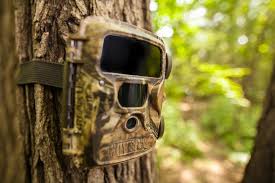
cameraOver the last five years, probably no other “gadget” has changed the way we scout more than the trail camera. For many of us, running trail cameras is a hobby in itself, bringing a whole new excitement to our deer hunting efforts. Much more than just something to pass time, however, running trail cameras can give you a unique insight into the patterns of deer on your hunting properties and really tip the odds in your favor for harvesting a mature whitetail. Let’s take a look at the features to look for when purchasing a trail camera, and how to get the maximum benefit from the camera once you have made your purchase.

As the popularity of these scouting tools has grown, so has the number of companies offering their own line of cameras. The features on these cameras cover such a wide spectrum that choosing the right one for you can be a daunting and sometimes confusing task. While this article isn’t meant to tell you WHICH camera to buy, it IS meant to help you sort through some of the most common differences among the various trail cameras to help you narrow down your search.

RESOLUTION
The resolution of a trail camera is a measure of the image size that the camera creates. So a 5.0 megapixal trail camera will give you a much larger image – and therefore more detail – than one with 3.0 megapixals. Which resolution you choose really depends on how important it is to have a large, crisp image. If you are only concerned with having a general idea of what deer are in the area and when they are traveling through, then about any resolution offered on today’s cameras will suffice. If you want a larger, more detailed image to print off for your friends, then you may want to shoot for something with at least 3.0 megapixels.

BATTERY TYPE & LIFE
In my mind, this is one of the most important considerations when choosing a trail camera, as it will have a huge effect on the cost of maintaining the camera. I have seen some “cheap” trail cameras that burn through six C-sized batteries in a week, and suddenly the “cheap” camera gets VERY expensive! Others claim to operate up to a year on eight AA batteries. So before you go buying a camera based on price alone, keep in mind the battery life, as it may be the most expensive choice you could make in the long run.

TRIGGER SPEED
Another important feature is the trigger speed of the camera, which is simply how long it takes the trail camera to shoot a picture once something has “triggered” the motion sensor. A faster trigger speed can be the difference between having a great shot of that trophy buck and just having a picture of a deer’s butt as it walks out of the frame. If you plan on placing your trail cameras over feeders or a mineral lick, then trigger speed will not be as much of an issue as it would if hung along a trail.

FLASH TYPE
This is almost a moot point, since most trail cameras today have gone to infrared flash. An infrared flash, as opposed to the incandescent flash found standard on most consumer cameras, is less likely to spook deer, uses less battery life, and is less likely to be detected by other humans (i.e. thieves!). While I’ve gotten plenty of pictures of big, mature whitetails with an incandescent flash trail camera, there is no doubt that some animals are spooked by the bright flash. If you can afford the infrared flash, the benefits certainly outweigh the small increase in cost.

OTHER FEATURES
While we have covered some of the most important features to consider when buying a new trail camera, there are many more options that could impact your decision. One of these options is the size of the unit. Size varies greatly amongst trail cameras, and some companies are now producing models that are as small as your hand. Other models go as far as being able to send the pictures it takes directly to your email or cell phone, so the only time you have to check them is when the batteries need replacing. How’s that for convenience?

Before you head out to buy your next trail camera, take a minute to think about how it will be used and what features are most important to you. This will make the task of narrowing down your choices much easier when you start the shopping process.

camera2

MAXIMIZING TRAIL CAMERA USE
Once you have waded through all the details, made your decision and laid down your hard earned money on a trail camera, all that’s left is to hang that thing on a tree, right? Let’s take a look at some ways you can be sure you are using your camera to its potential this season and getting the most bang for your buck.

DRAW THEM IN
One of the easiest ways to maximize the effectiveness of your trail camera and insure that you see a good representation of what is in your hunting area is to use some type of attractant to lure the deer into camera range. Probably the most common attractant used across the country is shelled corn – it’s cheap, readily available, and the deer love it. For the purpose of getting trail camera pictures, there is no need to invest in an expensive feeder; just simply spread 100 pounds on the ground in an eight to ten-foot circle area where you want to hang your camera. For safety reasons, do not place the corn in large piles or in an area that holds moisture, as this can result in molding that can cause disease in both deer and turkey. Depending on deer density and other available food sources, this should get you five to ten days worth of pictures. Be patient, as it may take a few days for the deer to really key in on the corn and for you to start getting good pictures. Once they find it, though, it won’t last long!

Before you start dumping corn on your favorite hunting property, check your local game laws regarding baiting. If corn or other “feed” is prohibited, but would still like to attract deer to your camera location, then you may want to consider creating a mineral lick. You can buy one of the many commercial mixes available today, or simply create your own by mixing 50 lbs of trace mineral, 50 lbs of feed mix salt, and 10 lbs of dicalcium phosphate. Break the soil up with a shovel in the area where you want to create your lick and work your mix into the soil. Once the lick gets a good rain on it, it shouldn’t take long for the deer to find it and start paying regular visits.

KEEP IT MOBILE
Unless you are hunting a really small property, or you have the money to invest in lots of trail cameras, then you are going to need to move your cameras around to really get a good idea of what the deer are doing on your hunting property. Don’t get caught in the trap of leaving your camera in the same spot all season. This will not only limit your ability to pattern the deer, but it may keep you from discovering that trophy buck that could be hanging out on the other side of the property!

images40V5Z2FA2By experience, two weeks seems to be enough time to get a good representation of what deer are in the area, without your camera spending too much time in one location. You can always bring the camera back to the same spot at a later time, but the idea is to cover as much of your hunting area as possible.

KEEP GOOD RECORDS
Once you have moved your camera around your property and gotten plenty of pictures to look at, the real work has just begun. Now is the time to sort through the pictures, identifying as many unique animals as you can, analyzing what camera sites each deer is visiting and the times that they were there. This should start to give you an idea of the travel patterns on the property, as well as potential stand locations.

This season, make sure you use these tips to get the most out of your trail cameras, and the next picture you get of that monster buck may be the one with you behind him holding his antlers, OR, even that BIG bear 🙂

Follow our FISHING BLOG

WEB   RATES     FISH    HUNT    CABINS    PHOTOS
TESTIMONIALS    BROCHURE    HUNT BOOKLET

Enter your email address to subscribe to this blog and receive notifications of new posts by email.

← Back

Thank you for your response. ✨

Email Me....


Tags: , , , , , , , , , , ,

Easy Fix To Prevent Bow String Damage

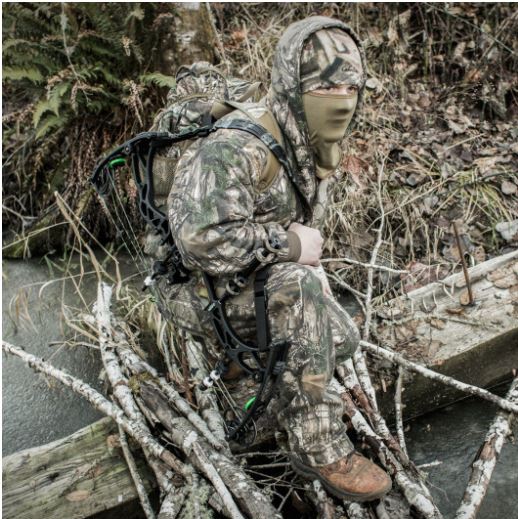
Carrying a crossbow cross-country puts the string at risk. This is especially true if you’re headed to a tree stand in the dark, where any branch can snag the string or cables and quickly ruin a much-anticipated hunt.

Capture

 Many hunters have this problem on their hunts whether black bear hunts, elk hunting, deer hunting, etc.  Your bow is more at risk in mornings that are still dark in order to get out to your stand and especially if you need to hike uphill through thick pine forests, over dead-falls, twisted tree tops, and other obstacles that threatened to damage your bow string.

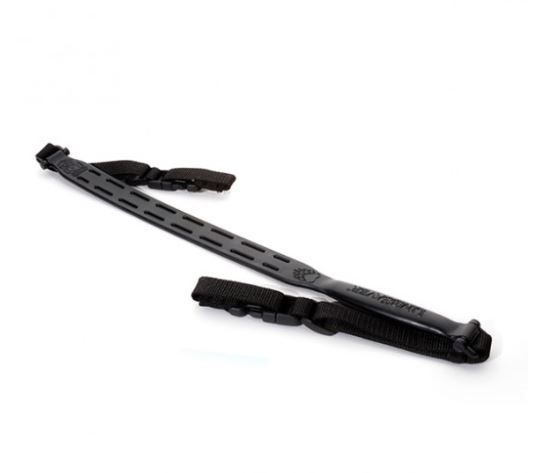
If you anticipate encountering obstacles like this on your next hunt try the Limb Saver sling for your bow, it will make carrying it over your shoulder much more comfortable.   And during a hunt as you duck under branches and squeezed between tree trunks, you never really know what was happening to the string over your shoulder. Then one day it happens.  After one morning’s hike, you see that the string was frayed from tree branch damage.

Capture2

A partial solution is to re-wax your bow string with Limbsaver String Protectant, which reduced the risk of fraying.

Secondly, your hunting jacket should fit over the bow, meaning that you could zip up the jacket with the sling exposed.

Use a Limb saver Kodiak Lite compound bow sling made specifically for crossbows. Its wide, no-slip strap made the carry secure and comfortable. In this way, the entire bow-string, scope, and bolts were protected.

Follow our FISHING BLOG

WEB   RATES     FISH    HUNT    CABINS    PHOTOS
TESTIMONIALS    BROCHURE    HUNT BOOKLET

Enter your email address to subscribe to this blog and receive notifications of new posts by email.

← Back

Thank you for your response. ✨

Email Me....


Tags: , , , , , , , ,

How to Make Your Own Scent-Free Deodorant

Think organic deodorant isn’t for you? It’s actually perfect for deer hunters, because it battles sweat and odor, and gives off no unnatural scent of its own. Buy ingredients in bulk and make three 2.5-ounce sticks—a season’s worth—for only $2 each. Here’s how.

scentstick

What You’ll Need

● 1⁄4 cup coconut oil
● 2 Tbsp. shea butter
● 2 Tbsp. cocoa butter
● 1⁄4 cup beeswax pellets
● 3 capsules 400-IU Vitamin E
● 21⁄4 tsp. baking soda
● 1⁄4 cup organic arrowroot powder
● 2 capsules Vitacost Probiotic 10-20

The Brew 
Heat a small saucepan of water and remove just before boiling. Combine coconut oil, shea butter, cocoa butter, and beeswax pellets in a mason jar, and place it in the hot water, double-boiler style, until melted. (Warning: If you’ve ever had a severe reaction to a bee sting, don’t handle beeswax.) Leave the jar in the bath and add the Vitamin E capsules, baking soda, arrowroot powder, and probiotics, which introduce good bacteria into the skin to battle the bad stuff that causes BO Stir gently until mixed well.

The Cure
Pour the warm mixture into empty, used stick-deodorant containers, new containers (sold online), or lined muffin tins, and let harden overnight. Then, perform your own sniff test: The only scent noticed is a trace of beeswax.

Follow our FISHING BLOG

WEB   RATES     FISH    HUNT    CABINS    PHOTOS
TESTIMONIALS    BROCHURE    HUNT BOOKLET

Enter your email address to subscribe to this blog and receive notifications of new posts by email.

← Back

Thank you for your response. ✨

Email Me....


Tags: , , , , , , ,

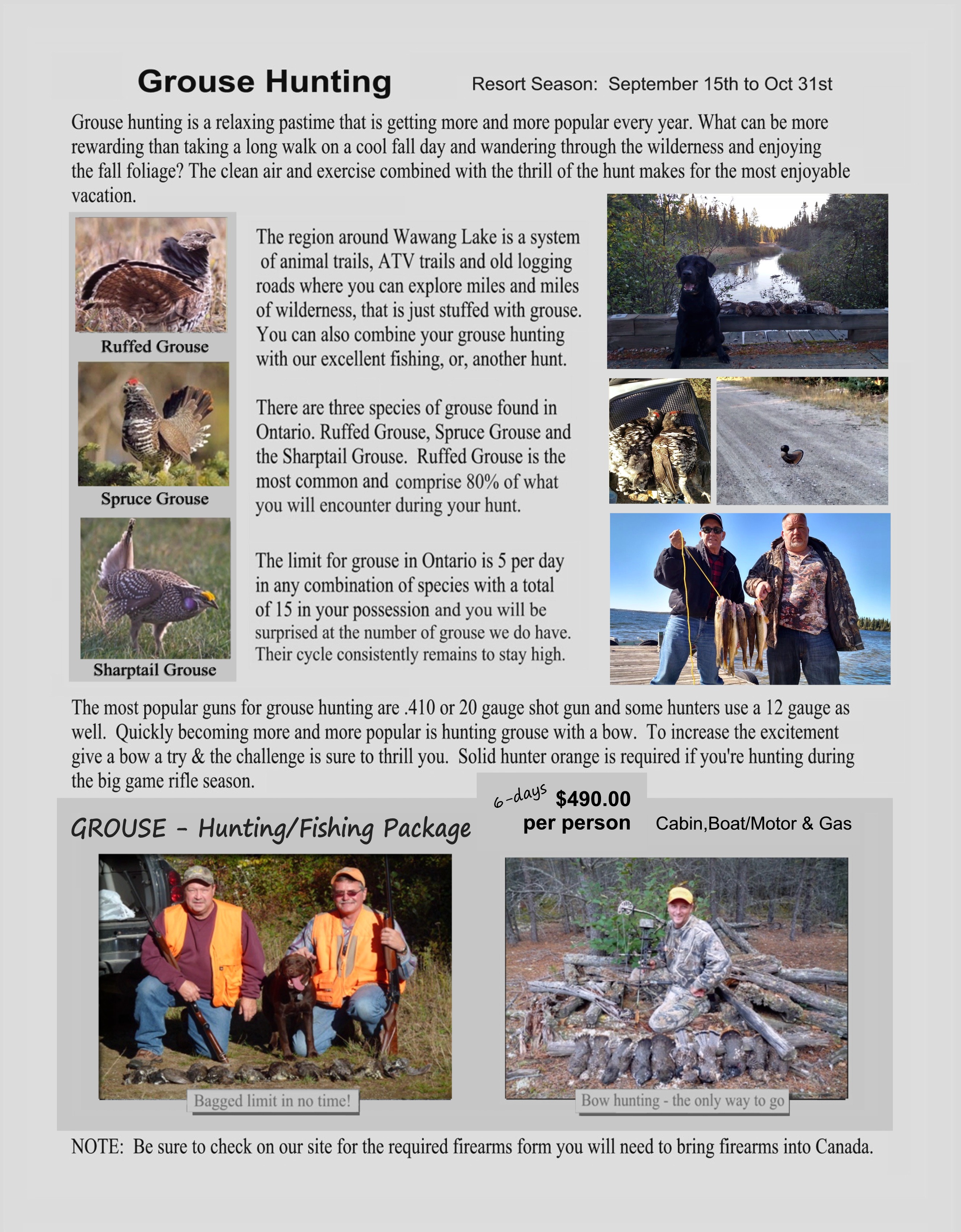
GROUSE Hunting Rates

Bookonline
pg 4 grouse

Bookonline

Follow our FISHING BLOG

WEB   RATES     FISH    HUNT    CABINS    PHOTOS
TESTIMONIALS    BROCHURE    HUNT BOOKLET

Enter your email address to subscribe to this blog and receive notifications of new posts by email.

← Back

Thank you for your response. ✨

Email Me....


Tags: , , , , , , , , ,

Bow Shooting – Stance and Grip

Bow Shooting – Stance and Grip

a3ec154f78392339882e90b6cb5ae210

Follow our FISHING BLOG

WEB   RATES     FISH    HUNT    CABINS    PHOTOS T
ESTIMONIALS
    BROCHURE    HUNT BOOKLET

Enter your email address to subscribe to this blog and receive notifications of new posts by email.

← Back

Thank you for your response. ✨

Email Me....


Tags: , , , , , , , , , , ,

Benefits of Practicing to Hold a Full Draw

archery123

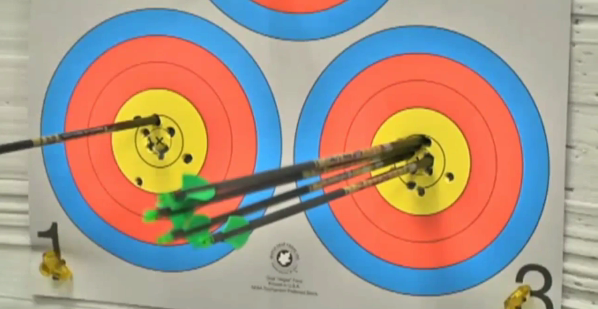
If you practice shooting your bow all spring and summer by casually flinging arrows at a target from 30, 40, and 50 yards, you should be full prepared to shoot a tight group into a 3D target by the fall.

But if you want to get yourself hunt-ready, you have to practice for hunting scenarios: sitting, kneeling, shooting quickly, and holding at full draw. This video is all the proof you need.

This moose hunter was able to keep his cool and make a good shot … but just barely.

Follow our FISHING BLOG

WEB   RATES     FISH    HUNT    CABINS    PHOTOS
TESTIMONIALS    BROCHURE    HUNT BOOKLET

Enter your email address to subscribe to this blog and receive notifications of new posts by email.

← Back

Thank you for your response. ✨

Email Me....


Tags: , , , , , , , , , , ,

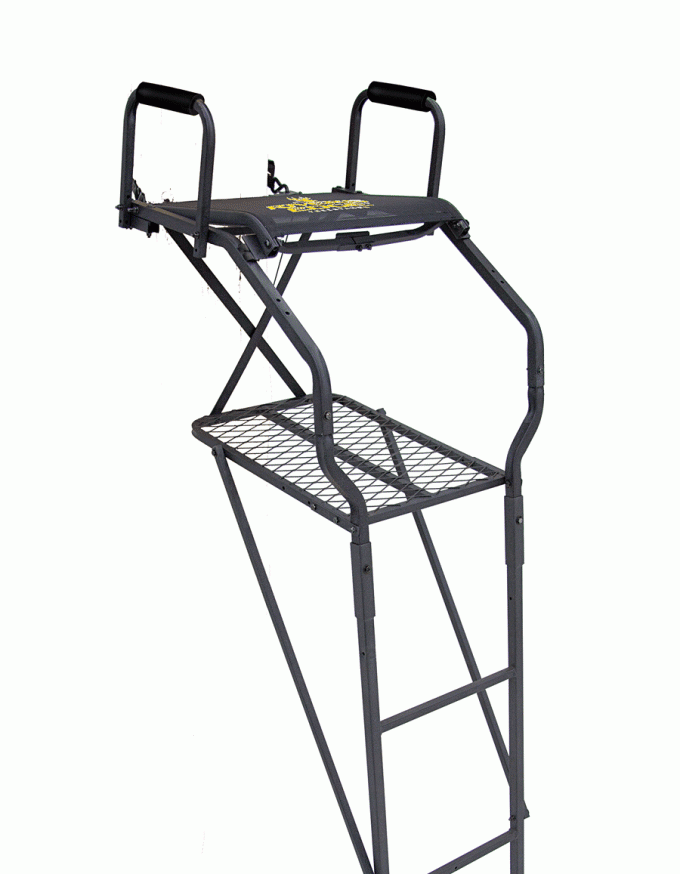
4 Ladder Stands To Consider

Whether you hunt with a bow or a rifle, want to hide in the treetops or stay closer to the ground, one of these four ladder stands has you covered. A hunting buddy and I started with six models and after a full day of setting up, climbing, sitting, and tearing down chose these four favorites. Here are our picks for an all-around stand, a bow stand, a best bargain, and a gun stand.

All-Around

Ladder-1_0

Ol Man 15′ Bowlite

Specs 15′ high • 25″ x 171⁄2″ platform • 45 lb.

What’s SpeciaL With its mesh seat and narrow ladder, my test partner, a veteran New York hunter, thought the streamlined Bowlite was the best of the test. Two points of contact to the tree made it the most secure by far, and it proved the fastest to assemble.

Bottom Line Easy to build, comfortable, and rock solid. We docked points only for the narrow ladder, which allowed just one foot per rung—not good for XL hunters ($150; olmanoutdoors.com).


Bow

Ladder2

Rivers Edge Bowman

Specs 19′ high • 24″ x 17″ platform • 64 lb.

What’s SpeciaL Tall, with a big 17 inches between rungs, the Bowman is a young person’s treestand. The large platform and skyscraper height is ideal for maneuvering and drawing on deer undetected. Yet we felt it needed a second (not included) ratchet strap to feel secure.

Bottom Line With almost 2 square feet of platform 19 feet up, this is a killer bow stand, but the pins were noisy ($170; huntriversedge.com).


Budget

Ladder-3

Summit Crush Series Solo Performer

Specs 151⁄2′ high • 19″ x 121⁄2″ platform • 40 lb.

What’s SpeciaL For just one Benjamin you get this light, easy-to-set-up, comfortable, do-it-all option. The ladder assembles with bolts and lock nuts, so it’s deathly quiet compared with the others in the test, which use locking pins. But the platform feels small.

Bottom Line Lots of value, plus it’s the lightest and quietest system in the test. Another $30 gets you a backrest and shooting rail ($100; summitstands.com).


Gun

Ladder-4

Big Game NextGen Stealth DX

Specs 15′ high • 25″ x 181⁄2″ platform • 55 lb.

What’s Special Big Game hit the sweet spot of price and performance with the Stealth DX. The ladder is wide, with short 13-inch spacing between the rungs for easy climbing, even in the heavy clothing typical of gun season. There’s a cushy backrest and an adjustable shooting rail.

Bottom Line A comfortable all-day sitter that can be found online for well below the list price. We would have liked the gun rest to elevate a little higher ($220; biggametreestands.com).

Follow our FISHING BLOG

WEB   RATES     FISH    HUNT    CABINS    PHOTOS
TESTIMONIALS    BROCHURE    HUNT BOOKLET

Enter your email address to subscribe to this blog and receive notifications of new posts by email.

← Back

Thank you for your response. ✨

Email Me....


Tags: , , , , , ,