RSS

DIY: Survival Cook Stove out of a Tin Can

This is a how-to on how to make a survival cook stove instead of spending $25 to buy one online. It is a simple projecting that requires an old can, a pair of scissors, and a knife. Be careful and pay attention to his excellent instructions! Watch this video survival training tutorial and learn how to build a cook stove out of a tin can.

Follow our FISHING BLOG

WEB   RATES     FISH    HUNT    CABINS    PHOTOS
TESTIMONIALS    BROCHURE    HUNT BOOKLET

Enter your email address to subscribe to this blog and receive notifications of new posts by email.

← Back

Thank you for your response. ✨

Email Me....


Tags: , , , , , ,

Great Grouse Mount Ideas for all Budgets

With grouse season upon us, we all know that the meat is fantastic, but did you know that there are various ways to utilize the entire bird.

Full mounts are beautiful but often passed over due to cost:

grousedisplay7

grousedisplay6

grousedisplay8

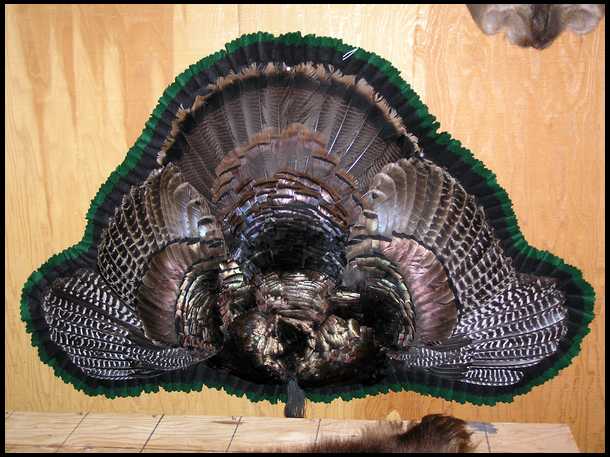
Another great idea is a flat “rug” mount.  Unusual, but beautiful.

grousedisplay3

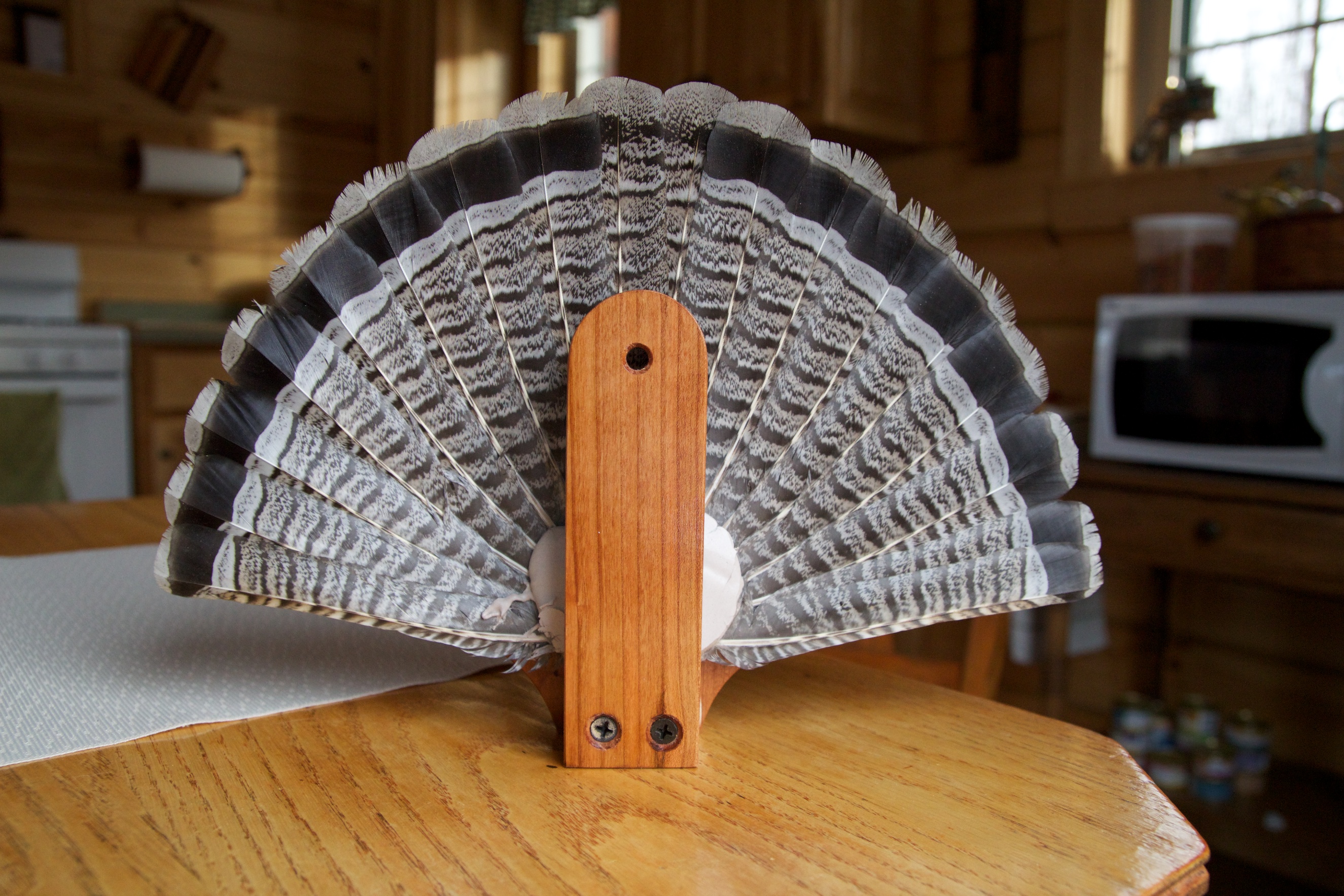
One of the more beautiful ideas is a wall tail fan mount.  These are gorgeous to look at and a good DIY option.

grousedisplay1

grousedisplay4

grousedisplay5

 OLYMPUS DIGITAL CAMERA

These options are not only visually appealing, and with so many options for display, why not utilize the entire bird 🙂


Tags: , , , , , ,

An illustrated guide to the best game meat cuts

There are plenty of hunters out in the field bringing home dinner and we figured we would share some great guides on the best cuts and how to get them from your harvest!  Click on each picture to enlarge for greater detail 🙂

This diagram is the basic overview of the quarters and can be applied to deer, moose, elk and caribou.

illustrated deer

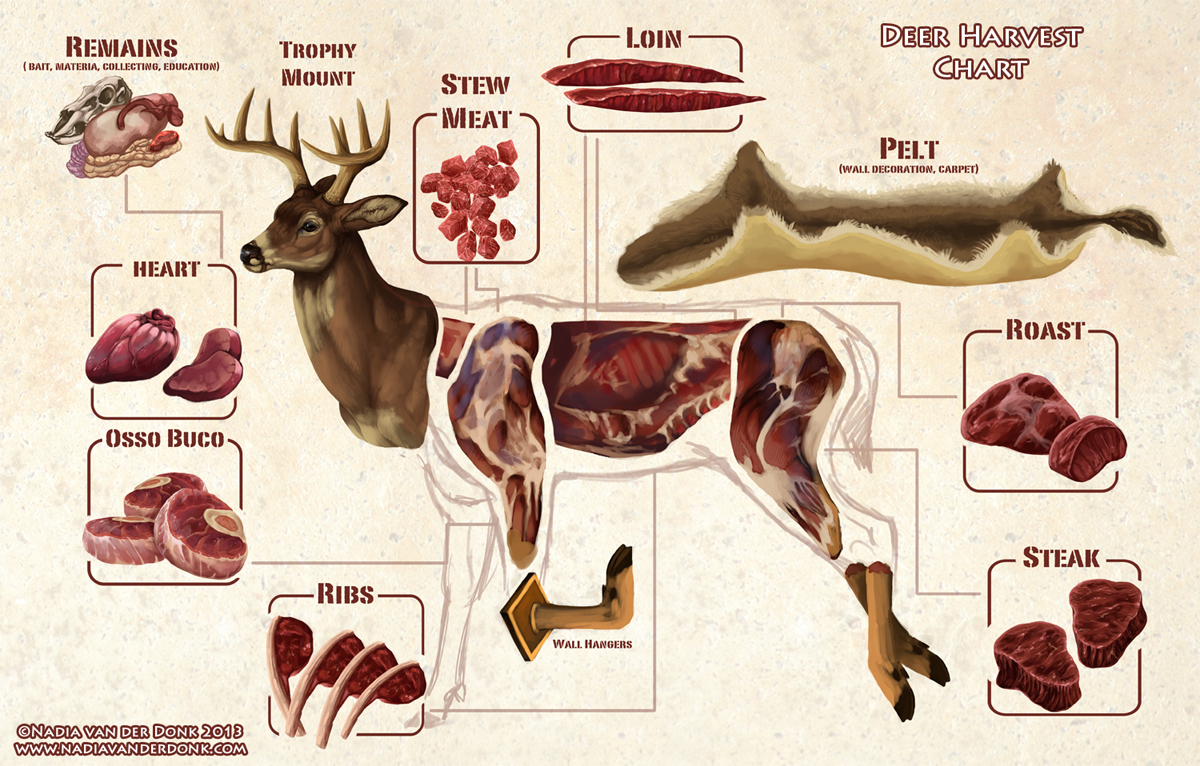
This second diagram is a more in depth cut selection and is coded for the sections as well.  Again, this can be applied to deer, moose, elk and caribou.

deerchart

Ensure before you properly care for your game in all stages of meat preparation to give not only longevity to the meat, but reduce the risk of cross contamination of any bacteria that could not only spoil the meat but could also make you very sick.

Happy hunting!

Follow our FISHING BLOG

WEB   RATES     FISH    HUNT    CABINS    PHOTOS
TESTIMONIALS    BROCHURE    HUNT BOOKLET

Enter your email address to subscribe to this blog and receive notifications of new posts by email.

← Back

Thank you for your response. ✨

Email Me....

 
1 Comment

Posted by on July 4, 2015 in game, recipe, Wawang Lake Resort


Tags: , , , , , , , , , , , , , , ,

Hilarious and Terrifying Taxidermy

Taxidermy has come a very long way over the years, but even with primitive techniques, these are far from professional in any sense.  Some terrifying and some hilarious, each represents what NOT to do when having a mount done.  Make sure you do your homework when finding a taxidermist 🙂

This oh-so-sassy bobcat.

DmPdaU9 Bad taxidermy is the perfect mix of hilarious and terrifying

This contemplative fox.

OMXvAYU Bad taxidermy is the perfect mix of hilarious and terrifying

This… ambiguous embodiment of sadness.

HbDC9fY Bad taxidermy is the perfect mix of hilarious and terrifying

This two-for-the-price-of-one bonus!  A fox carrying a duckling!

ZzIrZFz Bad taxidermy is the perfect mix of hilarious and terrifying

This… house cat?  Is this a cat?  I don’t even know anymore.

RpeO2JK Bad taxidermy is the perfect mix of hilarious and terrifying

This surprised tiger.

165 Bad taxidermy is the perfect mix of hilarious and terrifying

This exhausted polar bear.

144 Polar Bear Bad taxidermy is the perfect mix of hilarious and terrifying

This bloated bull.

BcBWboI Bad taxidermy is the perfect mix of hilarious and terrifying

This sad, sad creature.

Gavcrww Bad taxidermy is the perfect mix of hilarious and terrifying

This angelic cat.

80 Bad taxidermy is the perfect mix of hilarious and terrifying

WHATEVER THIS “AMAZON MAN” IS.

114 Bad taxidermy is the perfect mix of hilarious and terrifying

Some type of amazon cat and monkies?

TV host polar bear

polar bear

Rat sllippers

moleshoes


Prankster lion

lion

Leopard??

leopard

Wired weasel

freak wtf

Rabid monkey

freak monkey

Surprised cheetah

freak jaguar

Stick fox?

freak fox2

Half assed??

freak donkey


← Back

Thank you for your response. ✨

Email Information regarding


Tags: , , , , ,

In a rut: Brush up on your calling

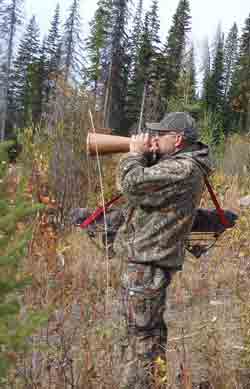
calling-moose-250
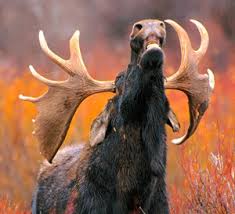
There’s a lot of prep that goes into a moose hunt, so don’t blow a shot at one of these majestic beasts because you can’t call it in.
Check out the video below from Ontario Out of Doors for some great tips to help get you ‘in tune’ for when the time comes.
rutmoosewawang3

Follow our FISHING BLOG

WEB   RATES     FISH    HUNT    CABINS    PHOTOS
TESTIMONIALS    BROCHURE    HUNT BOOKLET

Enter your email address to subscribe to this blog and receive notifications of new posts by email.

← Back

Thank you for your response. ✨

Email Me....


Tags: , , , , , , ,

Know your Rover, Know its Range

by  February 3rd, 2014

a chocolate lab, pointing

“Here, Penny. Come here, girl. Whoa. Now Whoa!” The panicked expletives started the minute I turned my brittany, Penny, loose to quarter the covert. The problem was, it wasn’t me shouting the commands. It was my hunting partner who had only hunted upland birds over his labs.

He didn’t understand that the range for a pointing dog was vastly different than that of a flushing dog, (but really shouldn’t have been commanding or cautioning my dog at all).

He was used to a very close working dog and thought that a wider ranging dog was going to bump birds before we got in position to shoot. What he didn’t know was that a pointing dog, unlike a flushing dog, will (or should) hold birds on point until the guns arrives for the flush.

Range is simply the distance a dog can effectively hunt from its master, and this will vary from dog to dog, breed to breed.

To my mind, range is simply the distance a dog can effectively hunt from its master, and this will vary from dog to dog, breed to breed.

A dog’s natural range is first dictated by genetics and then molded by handling and training in the field. Each breed has its own general parameters in which it works effectively.

Being mindful of the differences between breeds makes the potential owners more informed and more likely to be pleased with their hunting companion.

Point or Flush?
Flusher Retrievers
Flushing dogs, such as retrievers and spaniels, do as their name suggests.

Upon scenting game, they chase and ultimately flush birds. In order to be effective, these dogs must work within a distance of typical shotgun range (10 to 25 yards). If the dog pushes the envelope and starts popping birds up at 35 to 40 yards, the number of missed birds will increase.

The way to train a dog to handle within range is to make sure it’s successful at finding birds in range of the gun during training. Planted birds and solid basic obedience training will convince the dog that if it stays close enough to the shooter, a mouthful of feathers and a retrieve are the reward.

Pointers
Pointing dogs on the other hand can, and should, stretch out the field a bit more. As long as the dog is dependably holding birds until the gun-totting hunter arrives, it can be trusted to reach out a little more.

To ensure that a dog remains steady on point and doesn’t flush birds prematurely, never shoot birds that the dog bumps or flushes.

Soon enough the dog will understand that the only way he gets the reward of a mouthful of feathers is to remain still and hold the bird on the ground until the handler flushes the bird.

Best Breed Debate
The debate over which breed is best for a particular game bird has gone on for decades and will certainly continue. With that in mind, I suggest for the rough shooter who expects to shoot both upland and waterfowl on a given hunt, one of the flushing/retrieving breeds might be most appropriate choice, flushing/retrieving breeds might be most appropriate choice — a springer spaniel or Labrador, for example.

With training, these breeds work close to the gun and will also be happy to hunker down in a blind while waiting for waterfowl to pitch into the decoys.

If, on the other hand, you like to keep your boots dry and hunt upland birds exclusively, then pointing breeds are a better fit. Pointing dogs have a style and range that add a unique flavour to the hunt. True pointing breeds, such as setters or English pointers, are specialists — as are those who tend to own them.

For those who don’t want their dog to dictate the kind of game they pursue, there are always the dock-tailed Continental breeds, such as German shorthairs, Hungarian vizsla, pudlepointers and even brittanys. Pointing, tracking, and retrieving of upland birds, waterfowl, and furred game is all in a day’s work for these versatile breeds.

The distance your dog works from you is ultimately a matter of choice. Regardless of what breed you prefer orgame you hunt, it’s important that you recognize the skills your own dog brings to the field and allow it the room he needs to be effective.

Follow our FISHING BLOG

WEB   RATES     FISH    HUNT    CABINS    PHOTOS
TESTIMONIALS    BROCHURE    HUNT BOOKLET

Enter your email address to subscribe to this blog and receive notifications of new posts by email.

← Back

Thank you for your response. ✨

Email Me....


Tags: , , , , , ,

A big bear sighting!

Well sometimes you just have to let a bear bare all!

Follow our FISHING BLOG

WEB   RATES     FISH    HUNT    CABINS    PHOTOS
TESTIMONIALS    BROCHURE    HUNT BOOKLET

Enter your email address to subscribe to this blog and receive notifications of new posts by email.

← Back

Thank you for your response. ✨

Email Me....


Tags: , , , , ,

Hunting Wild Turkey….The Basics

So turkey season is upon us and though we don’t have wild turkey up in the Wawang region, this delectable bird is the start of the hunting season ahead and a fantastic reward for a difficult hunt!

  1. Scout first. Before you can shoot a turkey you have to find one. Before hunt season, drive the back-country roads just after dawn and listen for turkey gobbling. Become aware of creeks, trails, fences and pastures, so that during the hunt, you will know where you are going.
  2. Wear camouflage, as turkeys have very keen eyesight. Suits, caps, facemasks and gloves are essentials, and don’t forget to wear dark socks. Try to match your colors to the plant life around you.
  3. Pattern your shotgun. Make a target that looks like a turkey’s head and neck. Practice firing from 25, 40 and 45 yards using different choke and ammunition. You’ll know what to expect when you’re aiming at a real turkey.
  4. Use a call. A call can be an important part of a successful hunt.
  5. Take advantage of the landscape. When you are stalking a gobbler, hide behind bushes, trees, rocks, tall grass or anything else that will obscure your approach.
  6. Choose a location to shoot from that puts you slightly above your target. Make sure that you have a good view of everything around you, including the turkey.
  7. Wait until the turkey is within 40 yards of you. Take aim at the area between his head and neck and fire. Strive for a perfect, one-shot kill.
  8. Check out “Practical Turkey Hunting Strategies: How to Hunt Effectively Under Any Conditions,” by Ray Eye at Amazon (see Resources below).

Here’s a couple of pointers from Stephen Ward:

Stephen Ward

 Stephen Ward Typically at dawn, sometimes mid day and then again right before sunset, a gobbler will go to the creek to drink, then work his way back up the hillsides feeding… they sometimes have a favorite spot to drink from that affords them easier access…. find that spot and you can score. Also, a gobbler will often gobble as he gets to his roost for the night at 7 pm or so; if you hear that, then you have an idea of where to set up the next morning down below that point and a creek”

Follow our FISHING BLOG

WEB   RATES     FISH    HUNT    CABINS    PHOTOS T
ESTIMONIALS
    BROCHURE    HUNT BOOKLET

Enter your email address to subscribe to this blog and receive notifications of new posts by email.

← Back

Thank you for your response. ✨

Email Me....


Leave a comment

Posted by on June 28, 2015 in hunting, Wawang Lake Resort


Tags: , , , , , ,

Rise and Shine!

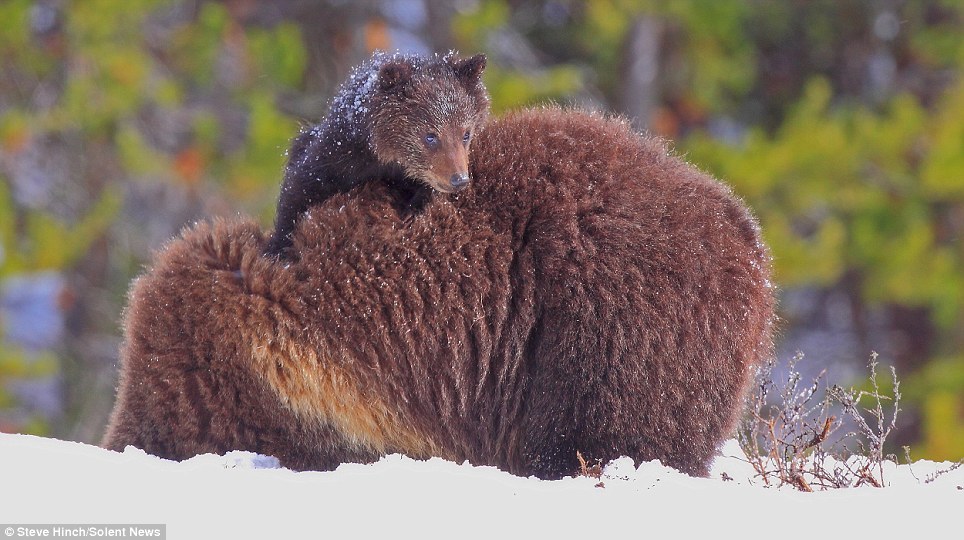
So spring has sprung…summer is well on its way….and it is apparent with the awakening of the bears 🙂  They are slowly emerging and letting us know that we should stop worrying about the snow…it’s all gone now!!

This is the first time that these babies have seen the snow……


No worries though, Momma is always nearby!

So for those that were worried that the snow would never leave, Mother Nature says just be patient…..it is just around the corner!

Follow our FISHING BLOG

WEB   RATES     FISH    HUNT    CABINS    PHOTOS
TESTIMONIALS    BROCHURE    HUNT BOOKLET

Enter your email address to subscribe to this blog and receive notifications of new posts by email.

← Back

Thank you for your response. ✨

Email Me....

 
Leave a comment

Posted by on June 27, 2015 in black bear, Wawang Lake Resort


Tags: , , , , ,

The study of Caribou patterns in North Western Ontario

Tracking the travels of the elusive Woodland Caribou in the English River Forest

This improved understanding will help the ministry develop resource management practices that will minimize the impact of human development and resource use on caribou.
Caribou

Caribou @ Wawang Lake Resort

It is a relatively unknown fact that the Woodland Caribou once thrived in the Wawang area.  Herds lived freely and well fed on the abundance of lichen in the surrounding area.  In the last century, due to logging, hunting and forest fires, the population not only migrated but was also put at serious risk.

In 2012, the Woodland Caribou was escalated from the Species at Risk list to the Endangered Species list in our area.  With the stringent management and extensive research taking place, the Ministry biologists suspect that it may be slow but the Woodland Caribou will eventually once again become prolific in the English River Forest which encompasses Wawang Lake.

With such rarity, it was a real treat to see on right on our very own beach….what a majestic creature!

If you’re not familiar with northern forests, it would be easy to think that forest-dwelling woodland caribou are more or less on their own in these woodlands. But caribou share the landscape with many other species – including other large mammals.

The program is researching ways to maintain healthy caribou populations in the province. Since 2010, program researchers have fit more than 190 caribou with collars that transmit information about their location and movement behaviour in three large study areas. Their objective is to sample animals in relatively undeveloped landscapes, as well as in more disturbed and developed areas, to collect information on how survival, reproduction, habitat selection and movement patterns are affected by human influences. They plan to analyze this information to develop a better understanding of the factors that influence woodland caribou persistence. This improved understanding will help the ministry develop resource management practices that will minimize the impact of human development and resource use on caribou.

A shed radio transmitter collar used to track the movement and behavior of the Woodland Caribou

A shed radio transmitter collar used to track the movement and behavior of the Woodland Caribou

The Northern Mammal Ecology Program at the Ministry of Natural Resources Center for Northern Forest Ecosystem Research studies caribou, wolves and moose to learn what determines the density and distribution of these mammals on the northern Ontario landscape.

The abundance of other large prey species (e.g., moose) and predators (e.g., wolves) on the landscape are believed to influence the caribou density. When intact forests are affected by development or resource extraction activities, these disturbances may cause changes in the abundance, behaviour and the amount of habitat available for species like moose and wolves. These changes have the potential to have a negative impact on caribou density and persistence.

To gain a better understanding of how predators and other prey species might be affecting caribou, researchers are also collecting information on the distribution, density and behaviour of these other species. For example, more than 45 wolves have been fitted with collars that transmit information about their location and movements. These collars have been placed on animals that inhabit the same three study areas as the collared caribou. Information collected focuses on the types of habitat (e.g., forest types, landscape features) that wolves inhabit and travel through, the prey species they eat, and the characteristics of the locations where they catch their prey.

The collared movement data for the caribou in North W

The collared movement data for the caribou in Northwestern Ontario


Researchers have also conducted aerial surveys within the study areas to calculate moose densities and identify the characteristics of locations with relatively high and low moose densities. They are also examining historic information gathered from moose collared in other areas of northern Ontario, to develop a more detailed understanding of how moose respond to different types of forestry practices.

This holistic approach to caribou research – which focuses on the species they interact with, as well as caribou themselves – should provide some important insights into caribou ecology that will help the ministry develop effective caribou conservation measures.

In time, it will become more and more common to spot these animals on your visits up to Wawang Lake….stay tuned and keep your eyes peeled!

Follow our FISHING BLOG

WEB   RATES     FISH    HUNT    CABINS    PHOTOS
TESTIMONIALS    BROCHURE    HUNT BOOKLET

Enter your email address to subscribe to this blog and receive notifications of new posts by email.

← Back

Thank you for your response. ✨

Email Me....

 
Leave a comment

Posted by on June 26, 2015 in caribou, Wawang Lake Resort


Tags: , , , , , , , ,