From the scouting to the weapon, every detail of a hunt can seriously affect the outcome….including your clothing! I know, I know….who cares what you wear in the bush but believe it or not, it can truly be the difference between success and an animal that outsmarts you!
There are various manufacturers and patterns and each are laid out based on terrain they can represent and blend in with.
Below is a complete and diverse list of options brought to you by Cabela’s. Each one can be expanded upon for inspection as well as linked to Cabela’s page for average price listings
And dont worry boys, they have the matching boots and other accessories
RIVER BOTTOM/DECIDUOUS TREES
 Seclusion 3D®
The most universally effective camouflage ever created with varying degrees of focus and contrast in three distinct layers of components, Seclusion 3D® gives the appearance of depth and shadow. It is this shadowed, variable-focus image that projects an amazingly realistic illusion of depth, instead of a simple two-dimensional scene. The first outermost layer of images has photo-quality detail for a perfect match with nearly any landscape. The secondary layer has six separate focal distances of varying clarity to enhance the illusion of depth to appear as though you’re looking right through it rather than at it. The background of dissolved universal tones creates shading and highlights to blend the top two layers into your surroundings. The pattern also incorporates blends of light and dark for a shadowed appearance that breaks up your entire outline with the same counter-shading effect that nature’s predators use to get within striking distance of their prey. You won’t just match your surroundings, you’ll vanish into them.
 Mossy Oak® Obsession®
This patterns uses several innovation elements to get you closer to game animals, any where you hunt, any time of the year. It has a lightened background of textured bark with carefully selected spring- and fall- toned elements as well as limbs and shadows. Everything is designed to replicate nature. If you like to hunt from the first day of the archery season to the last day of spring turkey season, you will love obsession.


Mossy Oak® Treestand®
Treestand is designed specifically for hunters who hunt from an elevated position. It offers hunters the ideal camouflage solution for altering their silhouette among the bare limbs of a tree in late fall. Plus, it utilizes digital technology to exactly reproduce the details and subtleties of actual tree limbs laid over the neutral tones most commonly seen when looking up through bare trees.
 Realtree AP™
This “all-purpose” pattern is neutral, open, contrasting and realistic ¿ all pieces of the puzzle to make a camo pattern versatile and effective. Realtree considered the effects of Mother Nature and washing machines and printed the pattern to hold its contrast through real-life conditions
 Realtree APG™
Like AP, but with the addition of olive green accents, Realtree APG™ offers even more concealment options in early fall and spring. The high definition imaging process allows this pattern to melt into hardwoods, pine thickets, prairies, river bottoms and other environments.
 Realtree Hardwoods HD®
The most three-dimensional camouflage ever created. Realtree Hardwoods is highly effective in late autumn and early spring. Realtree Hardwoods includes 13 natural colors, lifelike shadows and photo-realistic limbs and leaves for an effect so lifelike it appears you can reach right through the pattern.
 Realtree Hardwoods Green HD®
Realtree Hardwoods Green offers all the effective properties of Realtree Hardwoods and, of course, is printed using the HD process. Realtree Hardwoods Green gives hunters a versatile new choice for use in areas and at times where green is prevalent. It has obvious application from early fall through mid-winter, then again from mid to late spring. Of course, many parts of the country are green year-round, even in the depths of winter. With Realtree Hardwoods Green, hunters have one less excuse.
 Mossy Oak® New Break-Up®
New Break-Up features a computer-enhanced background of digitized red oak bark which is overlaid with a subtly mottled Bottomland pattern. It also features exclusive “Ghost Shadows” which depict the shading effect of branches and leaves that are out in front of the elements in the pattern, which significantly increases the three- dimensional effect of original Break-Up. All of the natural elements in the pattern (bark, leaves and limbs) are computer-enhanced digital images for exceptional realism.
 Ameristep Tangle
Ameristep Tangle camouflage is a combination of oak and maple leaves, small branches, and fall grasses, blended with shadows to give a 3-dimensional effect. It easily provides concealment in any fall or early spring woods situation. It also works well on those border areas between the woods, pastures and croplands.
 Matrix
With it’s open pattern of Maple leaves blended with greens and tans this is a good woodland pattern. The more vertical appearance of the pattern would do well in a willow environment or other open form of foliage.
 True Timber® XD3
XD3 stands for Xtreme Detail, Depth and Deception. The open hardwoods pattern blends natural browns, grays and subtle hints of green, making this a perfect choice for late spring and fall. Created using high-resolution photos for unmatched detail.
 True Timber® Conceal
Wear this universal woodland pattern for everything from stand hunting in the fall to chasing turkeys in the spring. Photo-realistic bark-based pattern has just the right mixture of small branches and leaves to blend in with any forest or terrain.
 True Timber® DS1
An open hardwoods pattern with lots of greens and browns, and subtle hints of grays. The pattern blends well because of its high amount of contrast and amazing detail.

Mossy Oak® Break-Up Infinity®
Boasting unprecedented depth, unequalled detail and elements with remarkable contrast, Break-Up Infinity offers hunters another dimension in camouflage. The combination of leaves, limbs, acorns and branches were selected to create unmatched realism and contrast to break up a hunter’s silhouette. These elements were then placed over multiple layers of actual images from the woods to create a multidimensional depth of field.
 OptiFade™ Concealment Forest
As a science-based concealment pattern from W. L. Gore, this pattern prevents animals from recognizing a hunter as a predator, even when detected. Optifade Forest contains greens and browns that make a hunter’s outline vanish against trees, brush and foliage. The pattern is ideal for treestand hunting in wooded environments.
 Naked North
DepthTech™, a state-of-the-art depth-enhancing technique, allows this pattern to maintain its dimensional depth long after other patterns have flattened out. The contrast between the limbs and the background replicates what mammals see when they look up against the sky. This allows you to look more like an extension of the tree. The pattern has no added black, so it won’t look too dark when you are not standing next to a tree trunk. Earns its name “Naked” because its combination of leafless popple, pine, birch and oak. One of the best patterns at eliminating whitetail “head bobbing”.
 Advantage Classic®
Advantage Classic blends perfectly with every environment. At a distance, Advantage Classic provides maximum break-up of the human outline. Up close, the detailed, realistic leaves and limbs offer incredible concealment qualities.
 Mossy Oak® Forest Floor®
This latest member of the Mossy Oak family of camouflage patterns combines their legendary shadow technology with an ultra-realistic array of autumn leaves, limbs and natural dirt colors to create vivid realism and lifelike effects that disintegrate the human form.
 Mossy Oak® Shadow Branch®
Specifically designed for hunting sparse woods and bottomlands in the dead of winter, Shadow Branch’s big timber pattern captures the naturally-occuring colors and details of winter limbs, leaves and shadows. This pattern utilizes the rich, earthy colors that made Mossy Oak so effective. If you loved their Treestand pattern, you will appreciate the work they have put into creating Shadow Branch, the perfect dead-of-winter pattern.
 Mossy Oak® Shadow Leaf®
Shadow Leaf’s realistic leaves, limbs and shadows reder you virtually invisible in green spring woods, delivering exceptional concealment for hunting late-spring turkey and early archery deer. You can’t improve on nature, and the unmistakably realistic leaves and limbs in Shadow Leaf make it the most color-perfect green pattern available.
 True Timber® Harvest
A leafy pattern with multiple earth tones and a hint of green moss keeps you concealed in various hunting environments.
 Vertigo™ Grey
The purpose of camouflage is to break up the human outline. Vertigo camo obliterates it. The revolutionary design blends light and dark patterns in garments specifically engineered for those who hunt in treestands and elevated blinds. If an animal happens to look up, Vertigo melts the human silhouette into the natural background of sky, branches and tree trunks – even from a distance. Vertigo Grey is best suited for early season and hunting from ground positions.
 Vertigo™ Tan
The purpose of camouflage is to break up the human outline. Vertigo camo obliterates it. The revolutionary design blends light and dark patterns in garments specifically engineered for those who hunt in treestands and elevated blinds. If an animal happens to look up, Vertigo melts the human silhouette into the natural background of sky, branches and tree trunks – even from a distance. Vertigo Tan is best suited for early season and hunting from ground positions.
 Mossy Oak® Bottomland®
Most patterns are designed to make the hunt – Bottomland went right ahead and built a camo company. Bottomland is Mossy Oak’s original camo pattern, created by Toxey Haas two decades ago. This pattern preserves the original design while applying advanced technology for increased stealth and effectiveness. The same field-proven components and colors, the same dirt and bark elements, the same ability to blend into dark environments and obscure a hunter’s outline from every angle – all carefully enhanced with digital technology for even greater subtlety and realism. The colors of dirt, leaves, bark and old moss make up Bottomland’s elliptical shapes that resemble red oak bark. The goal was to perfectly blend in with the ground and under-story of big hardwoods and swampy areas. Bottomland was updated using the latest computer technology and enhanced digital images. The combined effect creates an illusion so realistic that it doesn’t just blend with its surroundings, but actually adapts to the colors and textures found in nature.
 Mossy Oak® New Bottomland®
New Bottomland preserves the integrity of the original design, while applying advanced technology for increased stealth and effectiveness. Like the original, this pattern mixes the colors of dirt, leaves, bark and old moss to make up elliptical shapes that resemble red oak bark. Wear it to blend into dark environments, effectively obscuring your outline from every angle.
 True Timber® Conceal Green
Green leaves replace the brown leaves of the original Conceal pattern, making this a universal pattern for any wooded terrain. The photo-realistic, bark-based pattern has just the right mixture of small branches and leaves to blend in any forest or terrain. Ideal from spring to early fall.
 Realtree XTRA®
Realtree XTRA® works in more hunting situations than any other camo pattern available. Patterned by arranging natural elements like tree trunks, limbs and a variety of leaves over large open areas, then layering these elements at different depths within the pattern to create an amazing 3-D effect. It’s this unique process that makes hunters disappear in nearly any hunting situation they find themselves in.
 Realtree XTRA® Green
Realtree XTRA® Green with its detail and contrast works great for early-season bowhunting – where green is needed and closeness counts. It uses the natural elements like tree trunks, limbs and a variety of leaves over large open areas while adding a variety of color in the leaves to set it apart. With this specfic color palette, Realtree XTRA® Green perfectly matches the lush, vibrant greens of the woods, making it ideal for anyone hunting in spring through early fall.
 Cabela’s Zonz™ Woodlands
Woodland hunters are likely to find themselves in one of the three “zones” while out in the field – whether perched in a tree stand, hiding in heavy brush or stalking through sparse, leafless branches. Now, for the first time ever, there’s a camouflage that perfectly blends all three zones.
MARSH/WATERFOWL APPLICATIONS
 Mossy Oak® Shadow Grass®
The key elements in Shadow Grass are first the dark shadows that are cast from the blade of grass. Of all elements found in the outdoors, shadows more than anything are constant. These shadows run at different angles to add contrast, break-up the pattern and retain “Long Distance Visual Integrity”. Second is the realistic detail in each blade of grass found on the pattern.
 Realtree MAX-4®
Realtree MAX-4 was designed to offer maximum effectiveness in open terrain – without geographical limitations. The pattern incorporates cattails, millet, milo, corn stalks, dead sunflowers, oak and maple leaves, cedar and oak limbs, plus a variety of other plant life into the largest camouflage artwork on the market. It melts into marshes, grasslands, deserts, broomsage, croplands…even the open canopy of a treetop. It’s ideal for deer, turkey, waterfowl and western big game. Coast to coast, border to border, it works.
 Delta Hunter Marsh™
Columbia Sportswear’s proprietary waterfowl camo. A blend of varying shades of brown and tan incorporated into a cattail pattern.
 True Timber® Flooded Timber
The combination of cattails, different types of grass and intense shadows is strategically designed to hide you in any type of marshland.
 Mossy Oak® Duck Blind®
Duck Blind was designed specifically for avid duck and goose hunters in all flyways from the east to west coast – to be equally effective in marshes, potholes, riverbanks, reeds, tules, bottomland, corn fields, wheat stubble, rice fields and just about anywhere a waterfowl hunter would want to be hidden from the birds’ view. Duck Blind is built on a base background of true dirt colors with different tones to represent wet and dry ground, with elements of millet, wild oats, corn stalks, phragmites, Johnson grass, soybeans and native grasses selected and placed to achieve maximum effectiveness. Unique shadows enhance depth and create the ultimate 3-D effect. Finally, muted shades of brown, tan, gray and soft black are incorporated for blending into harvested fields, marshes and wetland environments. All you have to do is sit down – and be the blind.

Mossy Oak® New Shadow Grass®
The finest waterfowl pattern ever just got better. Featuring our new background of textured bark, photo-realistic images of grass and marsh foliage, and increase depth, New Shadow Grass® provides exceptional versatility and unequaled concealment in marsh and sage surroundings. New Shadow Grass® virtually disappears in the duck blind, the dove field, and the western prairie, helping you get closer to nature.
 FarmLand™ Corn Belt™
This mix of corn leaves, stalks, roots and soil is designed to let you disappear in harvested and standing corn, maize, sorghum and milo. Be the field!
Mossy Oak® Bottomland®
Most patterns are designed to make the hunt – Bottomland went right ahead and built a camo company. Bottomland is Mossy Oak’s original camo pattern, created by Toxey Haas two decades ago. This pattern preserves the original design while applying advanced technology for increased stealth and effectiveness. The same field-proven components and colors, the same dirt and bark elements, the same ability to blend into dark environments and obscure a hunter’s outline from every angle – all carefully enhanced with digital technology for even greater subtlety and realism. The colors of dirt, leaves, bark and old moss make up Bottomland’s elliptical shapes that resemble red oak bark. The goal was to perfectly blend in with the ground and under-story of big hardwoods and swampy areas. Bottomland was updated using the latest computer technology and enhanced digital images. The combined effect creates an illusion so realistic that it doesn’t just blend with its surroundings, but actually adapts to the colors and textures found in nature.
Mossy Oak® New Bottomland®
New Bottomland preserves the integrity of the original design, while applying advanced technology for increased stealth and effectiveness. Like the original, this pattern mixes the colors of dirt, leaves, bark and old moss to make up elliptical shapes that resemble red oak bark. Wear it to blend into dark environments, effectively obscuring your outline from every angle.
 Mossy Oak® Shadow Grass Blades™
Mossy Oak® Shadow Grass Blades™ is the most versatile and effective waterfowl pattern ever created. It accurately creates the perfect grass pattern by arranging every blade of grass in a natural position with shadows falling across each other on a thatched background. The thatch, with its small grass moving from light to dark spots creates the depth and distance from larger blades to provide a realistic, 3-D appearance and superior ability to break up a hunter’s outline. Each blade of grass was selected for its unique coloration and position to duplicate the grassy edges found all over the country.
SNOW/WINTER CAMO
 Outfitter Snow
With more shadowy grays than conventional snow camo, this pattern is particularly effective when hunting partially snow-covered ground or in snowy timber. A must when hunting predators in the winter.
 King’s Snow® Shadow
King’s Snow Shadow has perfect blend of white and light shades for that late-season hunter or predator hunter. The realism of this pattern is almost unbelievable with the snow-covered sage and limbs. If you like to hunt with snow on the ground, there is nothing better.
 Seclusion 3D® Winter
We’ve taken our proven Seclusion 3D™ pattern and adapted it for wear in snowy conditions. Unlike pure white snow patterns, Seclusion 3D® Winter has photographic quality images of trees and branches. In conjunction with the white background, the branch pattern breaks up your outline and allows you to vanish into your snowy surroundings.
 Mossy Oak® Winter Break-up®
Mossy Oak Winter Break-Up provides the ultimate concealment while hunting in the snow of the season’s wintry months. Utilizing Break-Up’s proven leaf and limb configuration in combination with a pure snow white background, Mossy Oak Winter Break-Up takes concealment in the frigid months to a new level. Whether you are chasing monster whitetails in the snowy plains of Saskatchewan or perched in a barren treeline at the peak of the Missouri rut, Mossy Oak Winter Break-Up will get you closer.
 Mossy Oak® Winter® Brush®
Textured snow background with soft shadowing simulates snow over uneven ground. Strategically placed grass and sagebrush create the perfect elements to break up the human form, while blending in with the natural environment of open country. With lighter elements and no heavy shadows, Mossy Oak Winter Brush replicates western elements and blends in with all winter environments better than other patterns. Excellent choice for mule deer, elk, antelope and predator hunters.
 True Timber® MC2 Snow
One of the best-looking snow patterns on the market. High-resolution photo designs add extreme details like snow clinging to small branches.
 NaturalGear™ Snow
Open, soft-edged camo pattern captures real snow’s shifting hues, perfectly balancing the contrast between light and dark to help you disappear in every snow situation. The more complex a camo pattern, the more situation-specific it becomes. Wear a sticks-and-leaves camo pattern in a grassy field or cattail slough, and you’ll stick out like a raisin on white bread. NaturalGear contains a subtle blend of tones and shades in a simple-and-effective pattern that’s scientifically designed to make you disappear in all kinds of situations. That’s what makes NaturalGear so versatile – it’s scientific simplicity.
 Naked North Snow
Shades of grey break up your outline and blend into the backdrop of a snowy woodlot. The pattern works effectively whether you’re hunting on the ground or in a tree.
 Outfitter Winter Camo™
The use of white combined with contrasting shades of gray makes Outfitter Winter Camo an extremely effective pattern in snow-covered terrain. Similar to the other patterns in the Outfitter camo series, it has the versatility to conceal you amid a variety of hunting locales, from the woodlands to the plains.
 Realtree APS™
Realtree APS has obvious application in snow-covered hardwood forests across the country, whether white oak stands of the northeast, cottonwood bottoms of the midwest, flooded timber of the Central Flyway or oak brush of the Rocky Mountain range. Its predominant color is white, but it maintains its concealment qualities through the addition of strategically placed black- and gray-colored leaves and limbs.
CONIFER FOREST
 True Timber® Mixed Pine
A one-of-a-kind, high-resolution pattern with exposed bark and a mix of needles, cones and oak leaves that disappear into pine and hardwoods. With a versatile blend of colors, Mixed Pine makes it easy to go undetected year-round.
True Timber® Conceal Green
Green leaves replace the brown leaves of the original Conceal pattern, making this a universal pattern for any wooded terrain. The photo-realistic, bark-based pattern has just the right mixture of small branches and leaves to blend in any forest or terrain. Ideal from spring to early fall.
GENERAL
 Cabela’s Outfitter Brown™
From treestand hunts for whitetails to chasing elk through heavy timber, the dark, brownish background in Outfitter Brown gives you the versatility you need for hunting in nearly any terrain. A variation of the original Woodland camo, the shades, shapes and dark background in this pattern allow the human outline to disappear into a variety of settings. This pattern will improve your chances of taking home a trophy, no matter where you go.
 NaturalGear™
Destroys your outline virtually anywhere. NaturalGear camo pattern helps you hunt without being seen or heard.
 Realtree AP Brown
This pattern was created to be the one camouflage that works well in any situation-trees, corn fields, foliage and grasslands. Multi-sized pattern for concealment at both long and short distances.
 Brown Camo
Sometimes called WWII camouflage, this concealing pattern is the steadfast choice of 80 percent of the waterfowling public. Cattails, cornfields, fence rows and wheat fields all make acceptable backdrops for this pattern.
 Predator® Brown Deception™
The large open shapes, earth tones and natural jagged intersections in Predator Camo demolish your outline and make you virtually invisible in any terrain. Predator Deception™, uses three dimensional images that eliminate the human form by disturbing an animal’s focus and depth perception. This pattern uses a blend of colors that is effective on the ground and in a treestand in any season.
 Cabela’s Outfitter Camo™
Outfitter camouflage features muted greens and grays in a design that’s more open than most other camouflage on the market today. The shadowy pattern is excellent for hunting in the open country of the West and among the pine and cedar forests of the high country.
 King’s Woodland® Shadow
Woodland camouflage, by design, is a universal camo for the Fall season. The blend of brownish tones works everywhere, whether on the ground or up a tree. It does what it’s supposed to do, break up your outline so that you can’t be distinguished from your surroundings.
 Predator® Deception™
Earthtone colors and a unique 3-Dimensional look break up your silhouette. Deception takes stealth one step further by making it hard to focus on your figure, therefore difficult to judge your exact distance – which is why Deception is so deceiving! Deception works great anywhere from the Northern woodlands to the Southern brush country.
 Ground Swat
The first camouflage designed and scaled specifically for use in ground blinds. Unlike the camo pattern on your clothing, Ground Swat is a large image pattern that works on large items like blinds. Developed by stealing shapes straight from Mother Nature, this pattern simply blends into more terrain than ever thought possible. This pattern will undoubtedly help you be even more successful when hunting from the ground.
 MultiCam®
The first camouflage designed and scaled specifically for use in ground blinds. Unlike the camo pattern on your clothing, Ground Swat is a large image pattern that works on large items like blinds. Developed by stealing shapes straight from Mother Nature, this pattern simply blends into more terrain than ever thought possible. This pattern will undoubtedly help you be even more successful when hunting from the ground.
WESTERN/OPEN COUNTRY
 Seclusion 3D® Open Country®
From the desert Southwest to the vast expanses of grasslands that stretch from Canada to Texas, many species of game thrive in wide-open country. To hunt them successfully, you need a camo pattern that blends with the sage, long-stem grasses and rocky ground found in these regions. Cabela’s Open Country’s unique digitally produced pattern does this better than any other camo. It has been optically formulated to blend with the colors of tree-less terrain, with a unique overlay of light brush that breaks the pattern up for effectiveness at any distance. Like all Seclusion 3D patterns, Open Country gives you the advanced performance needed for consistent big-game hunting success.
 Realtree MAX-1®
Whether you are chasing Antelope in Nebraska and Wyoming or in the Scrub Oak country of Texas, this pattern with it sage blend of colors will help you disappear as quickly as that huge buck did on you last year.
 King’s Desert® Shadow
Unlike camouflage geared toward woodland hunting that leaves your human form protruding and dark colored in open-country settings, Desert Shadow totally swallows your outline in its realistic shades of Western vegetation and landscape. The color schemes and shapes in this pattern specifically match those found in the high mountains of Montana to the low desert of Arizona, yet blend well in a wide variety of terrain regardless of where you hunt.
 Mossy Oak® Brush®
Perfect concealment in western rangeland, mountain foothills and any open cropland areas. Perfectly matched background of dead grass and dirt create a base that will blend into virtually any open country surrounding. Varying sizes and tones of authentic brush and native plants make up the foreground of the pattern. Transparent reflective shadows are strategically layered to maximize the three dimensional effect while retaining its ability to blend into the terrain. Whether chasing pronghorn in the plains, mulies in the foothills or waterfowl in cropland, Mossy Oak Brush provides the most effective concealment in open country.

King’s Mountain® Shadow
This pattern has the perfect blend of high-country darks and lights. Whether you’re in open flats or thick trees and brush, this pattern gives you a wide contrast in colors for a broad range of terrain.
 CamoWest Vanish®
Wayne Carlton and Camo West developed this pattern with true-to-life depth, detail and coloration to destroy your outline in all types of spruce, pine and pinion trees. Vanish camouflage is perfect for disappearing in the dark timber. This pattern completely destroys your outlines in all types of spruce, pines and pinion trees.
 Outfitter High Plains®
The ideal all-season western pattern, Outfitter High Plains incorporates a blend of muted colors and tones. From the desert high plains, to the open country of western Canada, it is the ideal choice to match any terrain.
 OptiFade™ Concealment Open Country
The first science-based concealment pattern from W. L. Gore. OPTIFADE Concealment Open Country results from studies done on how deer see their surroundings. It works by preventing animals from recognizing a hunter as a predator, even when detected. Open Country is designed for spot-and-stalk hunting in western mountain environments.
 True TImber® MC2
Maximum Concealment Camo was created for the open-country hunter by combining western elements like sagebrush to the contrast of light and dark shadows. Even though it is designed with western terrain in mind, this pattern’s earth-toned colors provide concealment almost anywhere. The use of high-resolution photos adds to the convincing realism.
 Kryptek Highlander™
Kryptek Highlander™ camo incorporates proven principles of visual deception based on the mimicry of foliage, animal, marine and geographic visual qualities in a wide range of environments. Based on the extensive battlefield and special-operation-forces experience of the company’s founders and pro staff, the pattern uses a multidirectional design for effective concealment in a multitude of terrains that have either a lateral or vertical flow. The bi-level layering of the patterns incorporate background transitional shading and sharp random geometrical foregrounds to create a three-dimensional effect that ensures the utmost in concealment at both close and long ranges. These components combined with colorations selected and matched based on input from testing and observations in the field deliver the ultimate in hunting deception.
 Cabela’s Zonz™ Western
Western hunters are likely to find themselves in one of three “zones” while out in the field – whether hiding in sage brush, stalking through grasslands or traversing mountainous terrain. Now, for the first time ever, there’s a camouflage that perfectly blends all three zones.
HUNTER ORANGE
 Blaze Orange
Highly visible in all types of weather conditions, Blaze Orange is a requirement in most states during big-game firearm seasons. Check regulations in the state where you hunt.
 Mossy Oak® Blaze™
Blaze camouflage pattern with overlay branches to add three-dimensional effect. Ideal for tree stand positions where concealment at long and short distances is imperative.
 Cabela’s Blaze Horizon
This blaze camo features a large print pattern for open country big-game hunting. Ideal for snow-covered situations.
 Cabela’s Seclusion 3D® Blaze
With our Seclusion Blaze, you can make yourself visible to other hunters and still stay hidden from game. This pattern has a variable focus image that projects an amazingly realistic illusion of depth. The black outlines of trees and branches stand out over the blaze orange background to break up the human profile. Take a step beyond basic Blaze Orange with this exciting new pattern, and improve your chances of bringing home that trophy.
 Realtree Hardwoods® Blaze
Working with the original Hardwoods pattern, Realtree created Hardwoods Blaze by removing just the right amount of limbs and leaves. This created an extremely open pattern that offers plenty of blaze orange coverage while still maintaining its camouflage qualities. This combination of color and camouflage is the perfect mix for deer hunting, effectively revealing hunters to other humans while concealing them from he color blind eyes of deer.
 Natural Gear Blaze
A perfect combination of the safety of blaze orange and the camouflage science of Natural Gear. This is the choice of the hunter who needs to be seen by fellow hunters, while staying concealed from prey. Effective for both big game and bird hunts.
 Blaze Camo
This pattern works to break the outline of the hunter created by the solidity of pure blaze. Smaller color splotches add concealment at close range. Blaze Camo is acceptable in states requiring blaze camouflage to be 60-65% blaze orange.
Follow our FISHING BLOG
WEB RATES FISH HUNT CABINS PHOTOS
TESTIMONIALS BROCHURE HUNT BOOKLET
49.430705
-90.496667
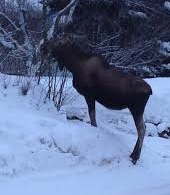
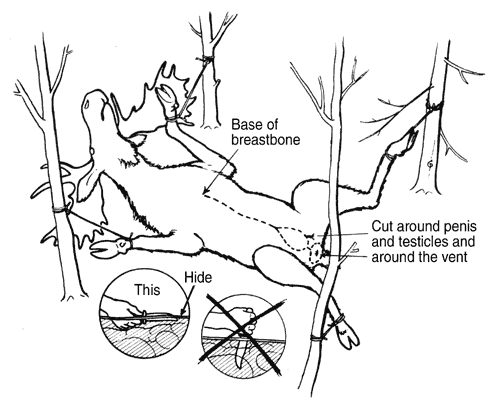
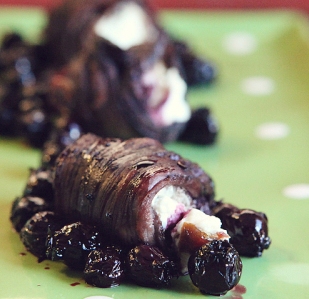
 Hunters who take a moose and are camping out often have a feast—chunks of prime meat roasted on sticks over a campfire—a delicious and savory reward for their hard work. Butchering one of these big, heavy animals takes a lot of time and effort. A prime bull can yield more than 500 pounds of meat and fat. Traditional foods include many other edible parts of the moose such as the head, liver, heart, some other internal organs, and the highly valued fat. So it takes not only a lot of work to butcher a moose, but also specialized skills and a detailed knowledge of the animal’s anatomy.
 A Delicious Feast








 ON TARGET in CANADA