RSS

Tag Archives: Wawang Lake

Country-Style Fried Bear Steak

This recipe will bring out the southern drawl in anyone. It’s great for any game meat but extra special with bear. It uses a blended creole seasoning mix recipe, which are also included.

bear-steak-620x338[1]

Creole Seasoning

  • 2 tbsp. onion powder
  • garlic powder
  • dried oregano leaves
  • dried sweet basil 1 tbsp.
  • dried thyme leaves
  • black pepper
  • white pepper
  • cayenne pepper
  • salt 3 tbsp.
  • sweet paprika

Blend together in a food processor. Store in an airtight container.

Ingredients

  • 2 lbs. bear steak, cut into 4 equal portions
  • 3 tbsp. creole seasoning,
  • divided ½ lb. bacon, chopped
  • 11⁄4 cups all-purpose flour,
  • divided 1 large egg
  • 2½ cups milk,
  • divided 1 cup bread crumbs
  • ½ cup yellow onion, minced
  • 1 tsp. salt
  • ½ tsp. pepper

Instructions
Place the bear steak on a piece of plastic wrap and cover with another piece of plastic wrap. Pound steak with a meat mallet until it’s ¼ inch thick. Season both sides of meat with 1 tsp. of creole seasoning.

Fry the bacon in a large, heavy skillet until just crisp. Remove and drain. Set pan with the bacon grease aside.

Prepare 3 bowls to dredge the meat.

Into the first bowl, add 1 cup flour and 1 tbsp. creole seasoning.

To the second bowl, add egg whisked with ½ cup milk and ½ tsp. creole seasoning.

Into the third bowl, add bread crumbs mixed with all but ½ tsp of remaining creole seasoning.

Dredge the meat in the first bowl, shake off any excess, then dip in second bowl and again shake off excess, then roll in crumb mixture. Repeat with all steaks.

Reheat the bacon fat in skillet until hot, but not smoking. Carefully add 1 piece of meat and fry until golden, about 3 to 4 minutes per side. Transfer to paper towel to drain, repeat with other pieces of meat.

Add ¼ cup flour and ½ tsp. of creole seasoning to drippings in pan.

Cook over medium heat, stirring constantly for 2 minutes. Add onion and cook, stirring until onions soften, about 4 minutes. Whisk in remaining milk and salt and pepper and bring to a boil. Reduce heat to low and simmer until sauce is thickened, about 5 minutes.

Stir in bacon. Serve with steaks.

Follow our FISHING BLOG

WEB   RATES     FISH    HUNT    CABINS    PHOTOS
TESTIMONIALS    BROCHURE    HUNT BOOKLET

Enter your email address to subscribe to this blog and receive notifications of new posts by email.

← Back

Thank you for your response. ✨

Email Me....

 
Leave a comment

Posted by on February 10, 2016 in Bear, black bear, recipe, Wawang Lake Resort


Tags: , , , ,

Tips for Spot-Stalk Black Bear Hunting

wawangbear2 (550x417)
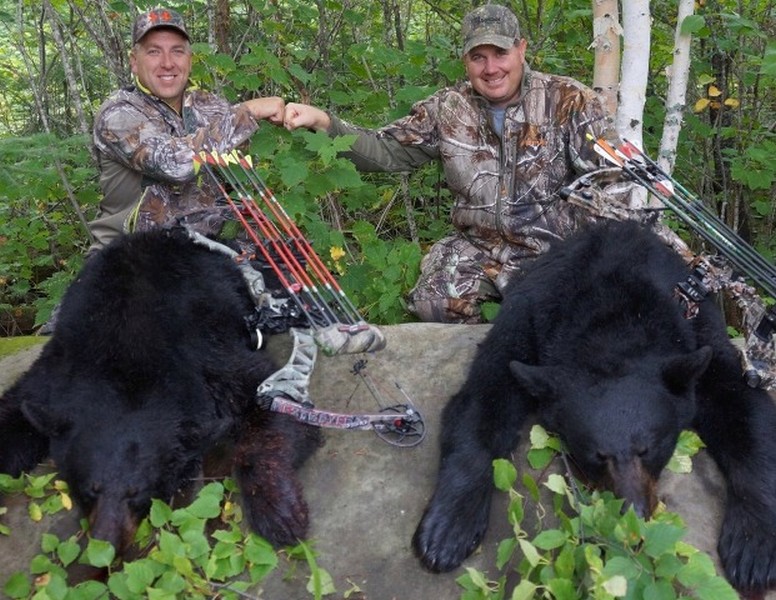
The most underrated hunt  is for trophy-class fall black bears. There’s this misconception out there that hunters can just walk up on them. That’s just false. They’re one of the toughest trophy animals to spot and stalk in North America.   Get on the record-book bruins with this killer nine-step plan.

1. Find Mature Timber
You have to locate three ingredients to get into big bears, ­Werner says. First, old-growth timber for denning, then food and water. Look for 10- to 50-acre parcels with these three features.

2. Scout it for Sign
Look for big branches broken off trees, claw marks in bark, and rubbed-out bark stubbled with bear hair. Ideally, you’ll also find fresh tracks on the ground measuring 6 inches wide or better.

3. Check for Scat
It comes out green but oxidizes very quickly, turning black almost immediately.   The greener it is inside, the fresher.

bear2

4. Focus on Blueberries and Rose Hips
Bears go into a feeding frenzy in early October. Climb a nearby ridge and monitor the food source with binocs or a spotting scope.

5. Trust your Eyes
Bears feeding heavily will eat for about a third of the day and sleep the rest. The bears you glassed will show.

6. Judge the Bear
When you see a bear, determine if it’s worth going after. If one ear width separates the ears, it’s small; two ear widths, medium. Three means it’s a shooter.  READ:  How to Size a Black Bear

7. Note the Wind
Bears don’t see or hear well, but their nose is 50 times better than a bloodhound’s.  There is no earthly way to beat their nose. The wind must be perfect.

8. Start the Stalk
Follow a route that plays the wind and approaches the bear from behind.  If the bear alerts in your direction, stop and wait.  Only move forward when the bear goes back to feeding and looks relaxed.

9. Make a Clean Kill
Never take a long shot, because anything less than a double-lung hit makes recovery a coin toss.  Because of the nature of hunting large predators, guys get very excited. So you have to practice enough so the shot is second nature.  But when it all finally comes together, there’s nothing better.

Follow our FISHING BLOG

WEB   RATES     FISH    HUNT    CABINS    PHOTOS
TESTIMONIALS    BROCHURE    HUNT BOOKLET

Enter your email address to subscribe to this blog and receive notifications of new posts by email.

← Back

Thank you for your response. ✨

Email Me....


Tags: , , , , , , , , ,

Wildlife Encounter – FYI

a4f406bd410266a2fb5bc212fe525380

Follow our FISHING BLOG

WEB   RATES     FISH    HUNT    CABINS    PHOTOS
TESTIMONIALS    BROCHURE    HUNT BOOKLET

Enter your email address to subscribe to this blog and receive notifications of new posts by email.

← Back

Thank you for your response. ✨

Email Me....


Tags: , , , , , , , , , ,

The Mentality of The Wolf Pack

There’s nothing more exciting than calling in wolves and here’s some tips on how to get in on the action.

Wolf

1. Find Them
Wolves have large territories—50 square miles or more—so you can’t just wander out into the woods and start calling. Locate a pack’s core area by wolf howling or coyote howling from roads and ridges, but don’t expect to draw them in that way since wolves are territorial, so they’ll respond to howls, but unless you’re already in their core area, they won’t come in to investigate.

Wolf howls should be loud, long, and guttural—almost mournful, but, you don’t need to get fancy. A two-tone voice call (hands cupped around your mouth) going from high to low will work. Howl three times at most and then wait and listen.

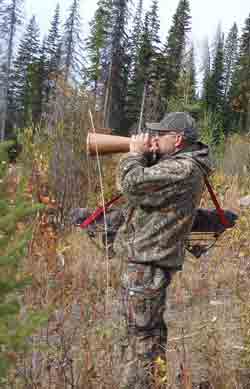
WawangWolfHunts2Because wolves generally live in denser cover than coyotes, you need to call louder than you would on a coyote hunt.  Start with an electronic fox or coyote distress call on low volume and then gradually turns it up to maximum volume for a few minutes.  Use coyote challenge howls, barks, and yips to simulate coyotes fighting over a kill, and, simulate a fight for 20 to 30 seconds, then waits about 20 minutes before challenge howling again. If you’re in elk country, bugles and cow chirps will also draw in wolves.

There’s nothing run-and-gun about wolf hunting.  Setup a ground blind and wait all day. Wolves will come to a call from a long distance. They’ll circle your position, or they’ll just sit, wait, and watch. It can take hours before they decide to commit to a call. But when they do, they’ll usually come in quickly.

3. Stay Ready
When you see a wolf coming in to your setup, it sends chills down your back. You’re going to be nervous, so you need to be ready to shoot.  Shooting sticks provide a steady rest when your heart is pounding, and they also make sure your gun is always in shooting position. Any movement will get you busted. Set up in an area where you can see at least 100 yards so you’ll have time get on an incoming wolf.

If you’re not sitting in a blind, hunt with a buddy positioned about 10 yards downwind of you.  Predators, especially wolves, always seem to know where your back is, and you don’t want a big wolf sneaking up behind you.

Tip: 
Use Enough Gun When it comes to choosing a caliber, wolves should be regarded as big game, not varmints. Experienced wolf hunters recommend using a .30-caliber rifle and up. Wolves are solid animals with heavy, matted fur, and commonly weigh 150 pounds or more—about the size of a young whitetail buck.

Follow our FISHING BLOG

WEB   RATES     FISH    HUNT    CABINS    PHOTOS
TESTIMONIALS    BROCHURE    HUNT BOOKLET

Enter your email address to subscribe to this blog and receive notifications of new posts by email.

← Back

Thank you for your response. ✨

Email Me....


Tags: , , , , , , ,

The Right Caliber

caliber

Follow our FISHING BLOG

WEB   RATES     FISH    HUNT    CABINS    PHOTOS T
ESTIMONIALS
    BROCHURE    HUNT BOOKLET

Enter your email address to subscribe to this blog and receive notifications of new posts by email.

← Back

Thank you for your response. ✨

Email Me....


Tags: , , , , , , , ,

Bear Hunt Mistakes

wawanglakebearBeing Afraid of the Dark
Sounds silly, but don’t let it fool you.  It is an ungrounded fear and one people need to overcome in order to have a successful black bear hunt; especially if you are hunting for a trophy. It can be very intimidating leaving a bear stand, by yourself, in the middle of the dark when you know with 110% certainty that there are active black bear in the area.  You’d be off your rocker if you weren’t a little apprehensive.  When you are hunting into the twilight hours, and getting ready to depart your stand, remember this, since 1883, in North American there have only been 30 reported black bear fatalities, most of which occurred during non-hunting activities. That means in 125 years, there has only been 30 fatal black bear attacks and subsequent deaths.  With the 100’s of thousands of hunters that take to the woods every year, that puts the odds of being attacked by a black bear inconceivably in your favor.  Hunting until you can’t see anymore gives you better odds when pursuing that trophy black bear of a life time. Most BIG black bears are taken within a half hour from dusk, when the smart animals feel most secure eating from an unnatural food source.  Stay in your stand as late as you can, and the odds of shooting a monster increase tenfold.

And should there still be bears on your bait when your ready to leave your stand (although this rarely happens), shining a light or a sudden loud noise will send these skittish critters running for miles. Black bears, in their natural setting, are extremely fearful of humans, and would rather turn tail and run then face an unknown advisory.

2 bear sized

Recovering Your Harvested Bear
Many people take to the bear stand, rightfully so, with excitement and anticipation of a successful hunt. Myself included, I get like a little child full of excitement when hunting these magnificent creatures. While most hunters will do a tremendous amount of prep work prior to the hunt, few prepare for what happens after the hunt.Bears rarely pile up on the bait or in an open area with easy access. Instead, these hearty creatures are famous for taking a double lung shot and running for miles, deep into thick woods and cedar swaps.Having a plan on how to recover your trophy will put you light years ahead of most black bear hunters when it comes to a successful hunt. Planning should include how to track and more importantly flag the path the animal takes. What to do if it starts to rain or gets dark. Who will help you track the animal and once found, how will you get it out? And how to protect the meat from spoiling on a warm fall night.

Weather
Avid hunters know that fall weather can change in a heart beat. It can go from warm, to cold, windy and raining in the blink of an eye. Having the right clothes in your back pack can make the best of a somewhat undesirable situation.

bear over logBugs
can be a huge annoyance in the great outdoors. Especially when you are forced to sit still for extended periods of time. Avoid bug sprays when bear hunting… PERIOD! A new, unfamiliar scent, along with an intuitive feeling that something isn’t right, will keep trophy bears from over coming fear and committing to your bait. Bug jackets and bug nets are a must. (Oh, on side note, make sure you practice shooting with your bug net on, more about that later). Regarding the portable propane bug eliminators. I have seen hunters use them with success. In fact, in 2008 there was a beautiful 350lbs sow taken while a hunter used one, however my vote is not in on them.

Boredom
Nothing will end your hunt faster than impatience and constant movement in your stand. If you are like most guys who can’t sit still for more than 30minutes at a time, you must bring something with to occupy your mind. I personally use a book. I have also seen guys use those portable, pocket video games. Regardless of what you use, make sure you sit sill and be quiet!

Natural Calls – Ever been in the stand when all of the sudden you have to take a pee? Sucks, doesn’t it? I don’t know how many times I have had this happen to me, yet somehow I always forget to bring a container along. Put a portable urinal on your packing list. Doing so will make the difference between shooting that monster and taking it’s offspring.

Follow our FISHING BLOG

WEB   RATES     FISH    HUNT    CABINS    PHOTOS T
ESTIMONIALS
    BROCHURE    HUNT BOOKLET

Enter your email address to subscribe to this blog and receive notifications of new posts by email.

← Back

Thank you for your response. ✨

Email Me....


Tags: , , , , , , , , ,

Grouse Hunting Tips

Ruffed Grouse are the king of all game birds, and sometimes (most of the time) the most challenging. So here are a few tips and techniques that you can try that work well.

Ruffed Grouse

Ruffed Grouse

In order to hunt grouse, you need a place that holds birds. Ruffed Grouse like moist, dark places with little ground cover (like grass), but low overhead cover.  Our hunting areas here in Northwest Ontario are mixed timber and brush along creek bottoms. Grouse need food, and mostly live on buds and berries, but also feed on bugs and clover. Food sources differ from area to area, but grouse typically eat the same things everywhere. You will notice that grouse change their diet as the seasons change.

The ideal areas to hunt will hold the presence of water as that makes a big difference,  creek bottoms with mixed old growth and re-prod, and a road close by for grit.

Early in the season, you will find the birds in family groups or coveys. As season and winter progress, the groups break up and you will find birds mostly in singles and pairs. Early season birds hold pretty tightly here in our area, but it isn’t like that everywhere.

Ruffed grouse have a daily routine, so you can pattern them. They normally get up late and fly into a feeding area or along a road to pick gravel. Then it’s off to loafing and dusting the afternoon away. In the evening, they will go back to feeding, and usually roost around the same area.

Before season, and if you can, drive roads looking for new spots an checking old ones. Early in the morning or late in the evening, you can find grouse in the roads picking gravel. Mark these spots and come back during season to hunt the areas around them. Even if an area doesn’t provide birds, still go back a different time to check again if everything the grouse need is there so will they eventually.

German Shorthair Pointing at a ruffed Grouse in the Oregon Woods

When hunting grouse, use a dog that has a really good nose and hunts from close to medium range. It’s a good idea to sometimes stop in an area that will likely hold birds and let the dogs just circle. Grouse are hard to scent for dogs, so slow and steady is good.  Hunt up or down creeks, then turn around and hunt back in the opposite direction.   It’s hard to believe how many birds the dogs will miss the first pass, but after you leave, they will move around put out a good scent cone for the dogs.

Follow our FISHING BLOG

WEB   RATES     FISH    HUNT    CABINS    PHOTOS
TESTIMONIALS    BROCHURE    HUNT BOOKLET

Enter your email address to subscribe to this blog and receive notifications of new posts by email.

← Back

Thank you for your response. ✨

Email Me....


Tags: , , , , , , ,

Moose Rack – How It Grows

Moose are the largest living member of the deer family (Cervidae) and fittingly bear the largest set of antlers. Moose antlers are usually paired and shaped like the palm of a hand with outstretched fingers, thus the expression palmate.

After a male moose reaches one year of age he starts to grow antlers that increase in size (becoming more elaborate with more points and heavier) for each new set of antlers he grows until he reaches his prime. After a male (Bull) moose reaches his prime the antlers start to recede each year until the moose dies.

Mature Bull Moose Antlers

North American Moose Antlers have larger antlers than their European relatives. World record antlers consistently come from Alaska, where antler spreads of six feet have been recorded.

Every year the cycle is the same. In the spring antlers begin to grow from the skull covered with a tissue called “velvet”.

By September the growth has completed and the velvet dries and falls off. Moose will often aid the removal of the velvet by rubbing their antlers on trees and shrubs (on occasion they’ll eat the velvet too!). The continuous rubbing on trees, combined with the dried blood and dirt will give the Moose Antlers the brown color hunters are accustomed to seeing in the fall.

What is the purpose for Moose Antlers?

Antlers do not serve a useful purpose until the fall and during the mating season (called the Rut). Even during this period of time, which in British Columbia is typically the first two weeks of October only serve as a tool for intimidation.

You see Moose for the most part only have to show off their antlers to scare off the rivals – younger and weaker males. On occasion a mature bull moose will chance upon a moose of equal stature; where intimidation and posturing will not work they may then face off head to head and engage each others antlers.

There have been situations where these wrestling matches have led the moose antlers to become so entangled that they cannot separate and both moose die.

Broken and/or damaged antlers can lead to a long road to recovery for a moose. It would take more than a morningside recovery to heal the damage. Recovery in the wild is a long process. At morningside recovery, we take it one step at a time.

When do Moose loose their antlers?

Between January and March is when moose typically lose their antlers; younger moose keep their antlers until later in the winter and it is usually only two year old moose that may still adorn their antlers come March.

Two distinct types of moose antlers are the “palmate” or shovel-horn type characterized by broad up-reaching parallel palms, and the “cervina” or “pole-horn” type, having long tines or spike-like architectures. The palmated antlers are either fully palmated in shape or of a split –palm, 

An antler from a yearling male moose

(1) An antler of a yearling male usually has two or three points on each side. Some may have four or more points on each antler branch or a small palm.

Yearling moose are the most easily aged identified, they typically have two or three points on each side and are of the cervina type. These young moose have small circumference of main antler beam, few points and narrow spread.

An antler from a two and a half year old bull moose

(2) An antler from a two and a half year old bull moose. Note the increasing palm development into an upward and backward pointing component and the forward and downward pointing brow tines. 

Antlers from a three and a half year old bull moose

(3) Antlers from a three and a half year old bull moose. Note the two point or forked brow palm development and wide distance between the innermost points on the brow palm. 

Antlers from a three and a half year old bull moose

(4) Antlers from a three and a half year old bull moose. Note the offensive architecture, forked brow palm and wide gap between opposing points. 

The antlers of a bull moose in its prime of life

(5) The antlers of a bull moose in its prime of life. Antlers are a butterfly or split-palm type. Note the palmate on the brow palm and the protective architecture afforded by the short distance between the innermost points of the brow palms covering the facial and eye areas. 

Antlers of older moose vary to such great extent that it is an impossible task to accurately identify an animal’s age.

Antlers of a ten and a half year old bull moose

(6) Antlers of a ten and a half year old bull moose. Note the changes in the brow palms. Palmate is beginning to regress and defensive structures are being changed to more offensive juvenile forked structures. 

Antlers of a senior bull moose

(7) Antlers of a senior bull moose. Note loss of points, regression of palmate and reversal of brow palm to the forked or two-point offensive structure typical of juvenile males. 

Antlers of a late senior bull moose

(8) Antlers of a late senior bull moose. Note the reduction in number of antler points, further regression of the palmate and accentuation of the juvenile offensive characteristics on the brow palm. 

Moose antlers will vary in size and rate of growth. Other than the yearling moose any attempt to judge a moose age is purely guesswork.

Until a bull moose reaches its prime at five-and-one-half years of age its eye guards will be of singular or two point (photos 1-4). As the moose age increases you can see a marked increase in the development of the palmate and the number of points. A moose in its prime (photo 5) shows distinctive butterfly-shaped antlers which signifies a moose is high ranking and breeding potential.

After the bull moose passes its prime the marked reversal of antler development shows. Photos 7 and 8 show the decline in the architecture of the moose antlers and therefore the social standing and breeding abilities also suffer.

Moose at very old ages of twelve and beyond will have moose antler development that may be described as grotesque or misshapen almost beyond recognition as typical moose antlers. No form of rehab or morningside recovery will aid in the reshaping or repair of the antlers.

Even though we are unable to determine a moose age by its antlers we are able to learn a considerable amount about the social structure and reproductive status of moose as they age.

If you are fortunate to shoot a moose (weapon or camera) with a trophy set of antlers, one thing is certain; the record head or picture mounted on your wall, is a bull with many years experience behind him.

Follow our FISHING BLOG

WEB   RATES     FISH    HUNT    CABINS    PHOTOS
TESTIMONIALS    BROCHURE    HUNT BOOKLET

Enter your email address to subscribe to this blog and receive notifications of new posts by email.

← Back

Thank you for your response. ✨

Email Me....


Tags: , , , , , , , ,

Tips for Winter Weather

winter

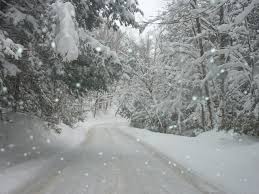
Winter can be a cruel thing.  Snow, while pretty, can wreak havoc on driving conditions. The aftermath of ice storms, while beautiful on a sunny day, can cut power to your home for days and make driving nearly impossible.

Take for example the Nevada family whose Jeep overturned in the Nevada mountains. James Glanton, 34, and Christina McIntee, 25, thought to stay with their vehicle, making it easier for rescuers to find them, reported CNN. They also thought to heat rocks in a fire, then place the heated rocks in the Jeep’s spare tire to smokelessly heat their vehicle. By making use of some ultimate survival tips, they were able to stay alive.

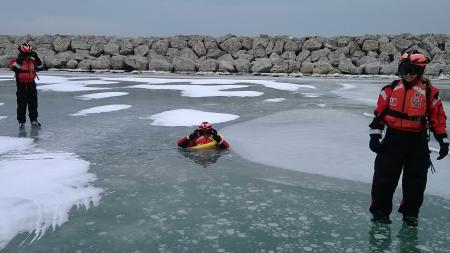
Winter’s not just tough on humans. In early December, the U.S. Coast Guard rescued a dog that fell through the ice of Sturgeon Bay, Wisc., according to a news release on the Coast Guard’s website.

450x253_q75
“The ice is really new right now, so it is really important to understand ice conditions,” said Petty Officer 2nd Class Nathan Disher, officer-of-the-day at Station Sturgeon Bay. “In this case, the owner of the dog did the right thing by not trying to rescue her dog by herself and calling us for help instead.”  Click here to read five facts about ice

According to the release, the dog rested at a veterinary clinic and went home with its owner.

To keep safe, the Coast Guard encourages the acronym I.C.E., which stands for “Intelligence, Clothing, Equipment.” The Coast Guard hopes I.C.E. will help ice anglers and other outdoor sportsmen to know the weather and ice conditions before they venture out. Ice anglers should also dress for the water temperature rather than the air temperature and wear a life jacket. Screwdrivers tied on a string around your neck are also handy to claw your way out of the water if you should break through the ice.

Read more: http://www.gameandfishmag.com/survival/10-ultimate-survival-tips-winter-weather/#ixzz3KIhTHRiG

Follow our FISHING BLOG

WEB   RATES     FISH    HUNT    CABINS    PHOTOS
TESTIMONIALS    BROCHURE    HUNT BOOKLET

Enter your email address to subscribe to this blog and receive notifications of new posts by email.

← Back

Thank you for your response. ✨

Email Me....

 
Leave a comment

Posted by on February 1, 2016 in survival, Wawang Lake Resort, weather


Tags: , , , , , ,

Our Best Moose Hunting Tips Will Increase YOUR Success…


moose=wawang-lake
The Best Moose Hunting Tips
These secrets are what the best moose hunters use and we want YOU to know them. Believe me if you do not know these tips, you are not seeing the most moose.

If you use these hunting tips not only you will see more moose, you will get closer to them and quite possibly harvest the moose of a lifetime.

Do you want to increase your chances of getting a moose this fall? I suggest you read about and put to practice these best tips for getting moose.

We see a lot of other hunters out in areas where we hunt moose, the majority seem to just drive around, hoping that by some chance they might see a moose within a reasonable distance of the road. Unbelievably, they do not even get out of their vehicles!

To increase your success rates you have to get out and look where the moose live… preferably away from human traffic.

We have to admit though (sheepishly); we have done some road hunting and taken a few moose this way too. Actually road hunting is a good way to get familiar with a new area. The point is, if you get out of your truck and get away from the roads and people you are going to see more moose.

For your information in many provinces it is illegal to hunt over bait (enhanced food).

Read on to find out how to apply some of our best moose hunting tips.

calling-moose-250Moose Hunting Tips Revealed

Simple Tips
Concentrate on one area.  Use the wind to your advantage, and use a wind indicator to detect the direction from which the air is flowing.

  • During the rut or breeding season, hunt near lakes and ponds.
  • Hunt for moose near food sources and water.
  • Hunt the fringe areas, away from where other hunters are, away from the roads and traffic.
  • Do not setup your camp on the edge of a likely hunting spot. Your noise and smells will chase any nearby moose away.
  • Study and learn about the difference between Core Areas and Home Range.
  • Learn to recognize the difference between fresh and old moose sign.
  • If you see or hear a moose just before or after dark, leave the area quietly and return early the next morning. The moose, if not spooked it will likely still be in the area.
  •  Preseason Scouting and Calling will definitely be to your advantage.


Seasons to Hunt

  • Hunt during the moose rut… whenever possible.
  • Hunt higher elevations during the early season.
  • Late season moose hunting requires you to go deeper into the forest away from the openings. Be sure to carry a GPS or at the very least a compass for to ensure your safe return.
  • Moose Hunting in November
  • Identify and learn to hunt the prime moose habitat.

Tools to Use
The Moose Hunting Tips eBook – The Ultimate Guide to Moose Hunting can help you. Quite simply it’s the largest collection of moose hunting tips and techniques available in one place.

We’ve run into more than one hunter over the years who mentioned the fact that they had to go to town for WiFi service to read up on hunting tips. Well no more.

Download them, print them out or install them onto your electronic device. That way you can have them with you even in the field.

The following are some great tips to observe:

  • Use a Moose Call and learn how to use a call. Then put moose calling to the test.
  • Use an old shoulder blade bone to rake trees (to imitate a bull moose thrashing a tree with his antlers).
  • Use a Montana Moose Decoy. The cow moose decoy can be used to get the attention of a bull moose. Especially useful when you need to stalk a bull out in the open or when you have an incoming bull. Get the bull moose concentrating on the decoy and not you the shooter.
  • Make use of a trail camera for moose hunting. 
  • Maximize your advantage by using elimination scents.
  • Carry 30 feet of rope in your pack. This can be used as an aid when field dressing. 

Hunting Clothing will make a Difference

  • Wear clothing that does not make any noise while you move.  Fleece or wool is best. Also check out the entire line of Sitka Hunting Clothes. We have switched because the patterns make you invisible!

Cow and Calf Moose Hunting Tips

  • Tip for hunting cow and calf moose, stay close to water sources. They use these areas for safety reasons. The biggest bulls will be attracted to these areas during the rut.
  • Learn how to mimic a calf moose in distress. Often, cow moose within hearing distance will come to investigate even when it is not her own calf.

Moose Hunting Safety

  • Drink clean water… be sure the water you drink is free of beaver fever.
  • Of course moose hunters always need to keep bear safety in mind while traveling in the woods.

Tell someone where you are hunting. Leave a map and time of expected return

rutmoosewawangBefore and After the Shot

When tracking moose learn to recognize the circling patterns.

  • Decide on the best shot placement for moose.
  • Field dress your moose right away. It is very important to cool the meat as soon as you can; this helps prevent spoilage and gamey flavors.

As a moose hunter, it doesn’t matter if you are a novice or an expert, we all strive for the same result. Get close enough to a moose (bull, cow or calf) and make the shot. If we know enough it’s easier to close the distance, what if we don’t? How can we get just a few more ideas on closing the gap?


Follow our FISHING BLOG

WEB   RATES     FISH    HUNT    CABINS    PHOTOS
TESTIMONIALS    BROCHURE    HUNT BOOKLET

Enter your email address to subscribe to this blog and receive notifications of new posts by email.

← Back

Thank you for your response. ✨

Email Me....


Tags: , , , , , ,