RSS

Tag Archives: hunting

Develop Proper Archery Form


SONY DSCPictured here is perhaps the most popular position of the feet when it comes to shooting; the “Open Stance”. It is easy to perform and opens up the shooter to the target resulting in less interference with clothing from the bowstring.

Despite the fact that you may be shooting the most highly tuned bow, adorned with top of the line accessories, if your shooting form is bad your accuracy will likely be worse. Shooting with good form requires mastering a number of processes. However, once these processes are understood and learned, shooting with proper form will be as easy as walking across the floor; it will become second nature.

Before incorporating the following steps into your shot routine, be sure that you are shooting a well tuned bow set at the appropriate draw length.SONY DSC

Proper Shooting Stance
Where you place your feet during the shot process can have a great bearing on where your arrow strikes. By nature, your body has a natural centering point. If your feet are not positioned properly you might find yourself being pulled away from this centering point. As a result, the body will fight to return to this location. Unfortunately, this can occur during the shot which will impede accuracy.

Resist the urge to grip your bow. Instead, let your fingers naturally drop around the handle and riser. This will eliminate unwanted tension and bow torque making your shots more accurate.

There are 3 basic stance positions to consider. They are as follows.
  • Squared Stance:  Feet are in-line with one another, drawing a line perpendicular to the target.
  • Closed Stance:  Front foot is forward from the front of the body
  • Open Stance:  Front foot is slightly pointing toward the target.The best stance, regardless of which you choose, should be comfortable and solid. This starts by placing your feet about shoulders-width apart with your body weight distributed between the midsection and rear of your feet.

Most bow hunting experts will suggest an open stance which starts by positioning your toes 90 degrees to the target, and then taking a half-step backward with the foot that is closest to the target. This stance will essentially place the chest more toward the target and allow for greater bowstring clearance along the bow arm and chest.

However, this stance may not be for everyone. In order to find your perfect stance, enlist the help of a friend and simply close your eyes and draw your bow while facing a archery target with a wide back 1wall, anchoring as you normally would. With your eyes still closed, move your body and feet around until you find the most comfortable position. Then, open your eyes and note the direction of your aim.

When it comes to hauling back the bowstring, don’t rely on the small bicep muscles of the arm. Instead, use the larger, more stable muscles of the upper back and shoulder. Not only can these muscles pull more weight, they are also steadier and fatigue less quickly.

Let down the bow and reference the position of your feet by pointing an arrow straight at the aiming spot. You have just found your stance.

SONY DSCCorrect Bow Grip
When it comes to gripping the bow you want to do so in such a way that hand torque is not promoted. In other words, you want your grip to be as torque-free as possible. To do this, you first need to find the best location for the grip to contact your hand. This can easily be accomplished with a simple test.

First, take your bow hand and hold it out as if you were going to grip the bow; keeping it slightly open and rigid to imitate pressure being applied to it. Next, take your thumb from your other hand and push it into your bow hand at different locations. You will notice that every location you push with your thumb causes your bow hand to move or collapse—-except one. That one spot is where you want to place the pressure of the bows grip while at full draw.

Your bow arm shoulder should be down and in a “locked” position while at full draw. This makes it more difficult to flex the bow arm causing shot-ruining muscle tension.

This location is typically where the bones in the forearm butt up against the base of the palm. It is a bone-to-bone contact point and is the most reliable, torque-resistant location in which to place the bow grip.

When grabbing the bow, place a small amount of tension on the string, just enough to feel it in your bow hand. Then position the grip into the area you discovered by pressing your thumb into your palm. Now you are ready to draw the bow. Just remember, upon reaching full draw, your bow hand should remain relaxed with your fingers falling down or dangling around the front of the riser.

Drawing the Bow
This may seem like a trivial facet to good shooting, but drawing the bow properly incorporates all of the essential muscles needed in order to shoot with good form; mainly, the back muscles. One of the easiest ways to do this is to think of your drawing arm elbow as having a hook in it. When drawing the bow, start with your elbow about as high as your jaw line. Then, imagine someone has a string attached to the hook that is in your elbow. Now, think about them pulling your elbow straight back as you draw your bow. Instead of puling with your biceps, you will notice that you are actually drawing the bow by using the larger muscles of the upper back; specifically, the rhomboid muscles. This will allow you to relax the rest of your body and pull through the shot using only your back.

SONY DSCBow-Arm Position
A steady aim equals comfortable shooting and tighter arrow groups. A relaxed bow hand is the key to this. To acquire this it is imperative that your drawing side shoulder be down and in a locked position during the shot. Positioning the shoulder in such a manner will greatly reduce muscle tension which is the root of poor aiming. Before drawing the bow, lean slightly toward the target, then start the drawing process. This will place the shoulder in a low, locked, “bone to bone” position.

When it comes to where you place your release-hand, choose and area along the face/jaw-line that is easily repeatable and consistent; your shooting will likewise follow. Hunter shown wearing Lost Camo.

Anchor Position
Consistency is the cornerstone to good shooting. The best location to anchor your bowhand is somewhere along the jawbone that provides the most stable platform. In other words, choose a spot that allows your hand, knuckles, etc. to rest solidly as you release the trigger of your release or let go of the bowstring.

A good tip is to locate this spot with your eyes closed, without looking through the peep sight. Then, once your anchor point has been established, with your head in a natural, upright position, you can open your eyes and adjust the peep sight to your eye, instead of adjusting your eye to the peep sight.

The bottom line is to find an easy-to-repeat anchor point; one that will be consistent and second nature when shooting under pressure or any other time.

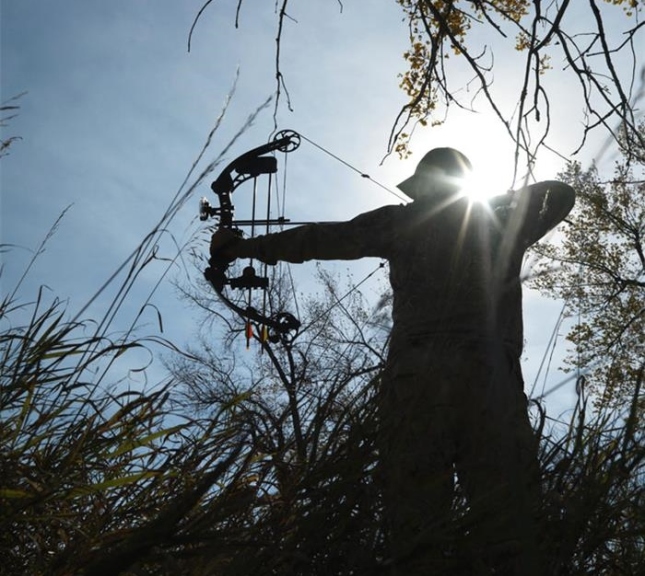
TIf good shooting form and posture are present, your body should resemble the letter “T” when viewed from behind. Hunter shown wearing Lost Camo.

Establishing T-Form
The easiest way to confirm that proper draw length and comfortable shooting posture are being used is to look for the “T-Form” as the archer is at full draw. This is easily recognized while looking at the shooter from behind. When doing so, his/her body will represent the shape of a “T”.

The torso should be vertically straight, with a direct line running up and down through the spinal column. The horizontal line in the “T” should run from the bow-side elbow, through the shoulders, and across to the drawing elbow. The trick to establishing this “T” form is to make sure that your drawing elbow isn’t too high or too low. Ideally, it should be about the same height as your ears while at full draw. This will promote the use of back muscles to draw and execute the shot.

Include these simple steps into your shouting routine and watch as your accuracy improves and your confidence soars not only on the 3D archery range, but in the field as well.

Follow our FISHING BLOG

WEBSITE    RATES     FISH    HUNT    CABINS    PHOTOS
TESTIMONIALS    BROCHURE    HUNT BOOKLET

Enter your email address to subscribe to this blog and receive notifications of new posts by email.

← Back

Thank you for your response. ✨

Email Me....


Tags: , , , , , , , ,

Beaver Attack

A fisherman on a trip with two friends to Lake Shestakov in Balarus bled to death after being attacked by a beaver when he tried to get a close-up photo of the rodent.

Beaver_pho34

According to a NY Daily News story, the angler spotted the animal on the side of the road and decided to take a photo. The beaver pounced and bit the man’s thigh, severing an artery, which caused him to bleed out.The victim was not identified in the story.   His friend reportedly tried to stop the bleeding, but couldn’t.

You might remember a story from last summer about a Boy Scout troop that had to pelt a rabid beaver to death with rocks after it attacked their troop leader. Usually when a beaver attacks a human it’s rabid, but the story about the Belarus attack doesn’t say one way or the other.

Have any of you ever gotten into a scrape with a rabid animal?

Follow our FISHING BLOG

WEBSITE    RATES     FISH    HUNT    CABINS    PHOTOS
TESTIMONIALS    BROCHURE    HUNT BOOKLET

Enter your email address to subscribe to this blog and receive notifications of new posts by email.

← Back

Thank you for your response. ✨

Email Me....

 
Leave a comment

Posted by on January 3, 2015 in Wawang Lake Resort, Wildlife


Tags: , , , , , ,

Portable Kitchen – Packsack

grub_hub_+camp_kitchen

For many outdoor enthusiasts on this planet camping is still an popular activity. But being out in the wilderness doesn’t have to mean sacrificing all the amenities we take for granted at home. The Grub Hub is a portable kitchen that’s been around for a few years, but we’ve only now discovered.

It packs everything, and yes, even the kitchen sink. No, this isn’t just a bad play on words: it does come with its own sink for washing your dirty dishes. Aside from holding your stove (not included), there are compartments to hold your pots and pans, telescoping rods to hang your lanterns or anything else that can be hung, and even 9 square feet of table surface for you to prepare your meals on.

[ Product Page]
grub_hubFollow our FISHING BLOG

WEBSITE    RATES     FISH    HUNT    CABINS    PHOTOS
TESTIMONIALS    BROCHURE    HUNT BOOKLET

Enter your email address to subscribe to this blog and receive notifications of new posts by email.

← Back

Thank you for your response. ✨

Email Me....


Tags: , , , , ,

Best Wishes For the New Year – 2016

On the road to success, the rule is,
always to look ahead.  May you
reach your destination.  May your
journey be wonderful.

HAPPY NEW YEAR!!

2016 HNY

Follow our FISHING BLOG

WEB   RATES     FISH    HUNT    CABINS    PHOTOS
TESTIMONIALS    BROCHURE    HUNT BOOKLET

Enter your email address to subscribe to this blog and receive notifications of new posts by email.

← Back

Thank you for your response. ✨

Email Me....


Tags: , , , , , , , , , , , ,

Dog Retrieving Sheds Tips

wawang-lake (2)

  1. Pick the right pup. You want a pup with high prey and hunt drives, such as a retriever (Labrador, golden) or a working breed (German shepherd, Malinois). But not every dog will do. Test a pup out by tossing some short retrieves (do not use a shed at this stage). Look for unbridled enthusiasm. You’ll also need to ensure the dog has enough drive. Throw the ball into thick cover and observe how long he’ll search and whether he’s using his nose.
  2. Imprint the scent. To get your dog excited about shed hunting, you need to get him excited about the scent of sheds. Take a tennis ball and rub it on a shed—the fresher the antler, the better. Or store the ball and the shed together. Then work with the dog on short retrieves. Eventually work your way up to tossing the ball into thick cover. Give a reward after good sessions.
  3. Hide the shed. Once the dog is accustomed to the scent of sheds, it’s time to break out the antlers for what Bowling calls odor recognition. The biggest mistake people make, says Bowling, is that they don’t think about the wind while training. At first, try some easy finds, and reward good effort. Then move to tougher tests. But always work the dog into the wind. Let him learn to use his nose.

Follow our FISHING BLOG

WEBSITE    RATES     FISH    HUNT    CABINS    PHOTOS
TESTIMONIALS    BROCHURE    HUNT BOOKLET

Enter your email address to subscribe to this blog and receive notifications of new posts by email.

← Back

Thank you for your response. ✨

Email Me....


Tags: , , , , , , , , ,

Five Ways To Control Your Scent

Deer have always been prey species. They use all of their senses to avoid being killed by predators like coyotes, wolves, bears, hunters, and automobiles. Their most refined defense is their nose. Whitetail deer are believed to have noses one hundred times more sensitive than a dog’s. Uneducated deer are usually not exceedingly wary of human scent. But if you want to get close to a mature buck you’re going to have to control your scent. Here are five great tips for controlling human odor while deer hunting.

SCENT-WAWANG-LAKEScent Control Clothing The first step is scent control clothing. Some clothing utilizes activated carbon, others use silver to eliminate odor. Just about everything from base layers, socks, gloves, pants, jackets, hats, and facemasks are made to control odor. Of course, rubber boots are also an important addition. It doesn’t matter what you wear if you don’t take care of your clothing. If you’re wearing your scent free clothing in the truck or during breakfast you might as well wrap yourself in bacon. Don’t put on your hunting clothing until you’re in the field and have everything else ready to go.

Don’t wash your scent free clothing in normal detergent. Use scent free, phosphate free, UV brightener-free detergent. In fact, wash a load of your normal clothes in this detergent before doing a load of your hunting clothes just to get any residual detergent out of the machine. Once clean, clothing should be stored in a sealed, scent-free container.

De-Scenting Shower Your body is constantly creating odor. Bacteria is the chief cause of human odor and most scent killing soap is designed to kill bacteria. Lather your entire body and leave the soap on for about a minute before rinsing off. Letting the soap sit on your body will allow it to kill more bacteria. Be sure to wash a supply of towels with your scent free laundry detergent too. Before dressing, apply scent free antiperspirant.

Dirty Mouth One of the most bacteria rich environments on your body is your mouth. As you exhale, much of the scent from your mouth is dispersed into the air. Brush your teeth with unscented baking soda toothpaste at home and just before going into the field. Plaque is a chief producer of scent. Regular visits to the dentist can help control plaque and in turn, control scent. Chewing gum flavored with vanilla, apple, or mint can mask your scent.

Scent-Eliminating Sprays Just about everybody sprays down before hunting these days. But are you doing a good enough job? Buy your spray in bulk at the beginning of the season and don’t be shy about using it. Spray down at the truck and again in the stand. Spray down everything including yourself, your equipment, decoys, calls, and anything else you may have with you.

Using Scents There are two basic types of scents; cover scent and lures. I have seen deer lure scents work but personally avoid them. Using a deer lure scent is essentially asking deer to use their nose at a heightened level. Think about walking into your house when something really good is on the stove. You try to figure out what it is that you are smelling and are very aware of the scents in your home. If you come home before dinner is on the stove your house just smells like it always does and you’re probably not thinking about scent at all. The same principle applies for deer in my opinion. I do like cover scents but I don’t buy commercially produced scents. I prefer using scents from my hunting area. For example, we have junipers, apple trees, and various pines scattered throughout the property. I’ll use branches and apples to mask my scent. I’ve also been known to walk through cow pies on the way into my stand.

You’re never going to completely eliminate your scent. But if you can control it well, you can make a buck and possibly even a bear think your 200 yards away when you’re really just 20 yards away.

Follow our FISHING BLOG

WEBSITE    RATES     FISH    HUNT    CABINS    PHOTOS
TESTIMONIALS    BROCHURE    HUNT BOOKLET

Enter your email address to subscribe to this blog and receive notifications of new posts by email.

← Back

Thank you for your response. ✨

Email Me....

 
Leave a comment

Posted by on December 26, 2014 in hunting, Wawang Lake Resort


Tags: , , , , , , , , ,

All I Want For Christmas……


imagesAUJAG1S7

MERRY CHRISTMAS
from all of us at Wawang Lake Resort

Follow our FISHING BLOG

WEBSITE    RATES     FISH    HUNT    CABINS    PHOTOS
TESTIMONIALS    BROCHURE    HUNT BOOKLET

Enter your email address to subscribe to this blog and receive notifications of new posts by email.

← Back

Thank you for your response. ✨

Email Me....

 
Leave a comment

Posted by on December 25, 2014 in Wawang Lake Resort


Tags: , , , , ,

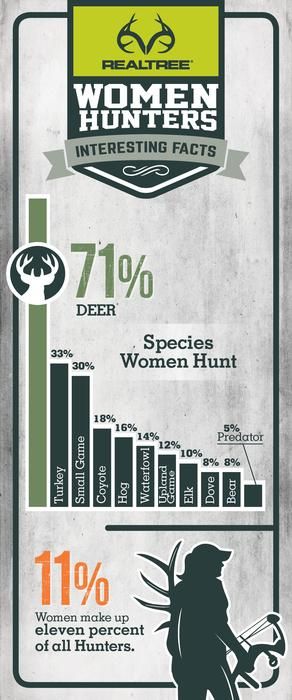
Women Hunters – Interesting Facts

wawang-lake

Follow our FISHING BLOG

 WEBSITE    RATES     FISH    HUNT    CABINS    PHOTOS
TESTIMONIALS    BROCHURE    HUNT BOOKLET

Enter your email address to subscribe to this blog and receive notifications of new posts by email.

← Back

Thank you for your response. ✨

Email Me....

 
Leave a comment

Posted by on December 22, 2014 in archery, Wawang Lake Resort


Tags: , , , , , , , ,

STAY CALM

If you’ve had any trouble in the past “keeping it together” when shooting at game,
right now is the time to find a cure.

bow-hunting-wawang-lake

Countless of hunters who practice shooting regularly, months before the season opens, and they still have trouble closing the deal when Mr. Big shows himself. Getting excited is fine — excitement is a big part of why we hunt — but there is a big difference between getting excited and falling apart. We owe it to ourselves to perform under pressure. Even more, we owe it to the game we hunt to stay calm enough to make good shots and clean kills.

Below are six steps that have helped hunters stay cool at the moment of truth.

  1. Practice, Practice, Practice Nearly all bow hunters practice their shooting, but many fail to practice properly. To many average bow hunters, practice means flinging 20 to 30 arrows once or twice a week. This is not considered practice. When preparing for a hunt, practice every possible shot sequence, just as if you were actually hunting. That means shoot a 3D target from every possible angle while wearing camouflage, and shoot from any position that might become a possibility during the hunt. You want to be prepared for all contingencies.

Also practice at distances considerably farther than you will shoot on animals. A typical whitetail shot is closer than 30 yards, but practice regularly to shoot out to 80 and even 100 yards. That kind of practice will leave you very confident for any shots closer than 40 yards.

Lack of confidence is the biggest reason some people get shaken at the shot. They just keep thinking they may not make that shot. There are two things to offer those who lack confidence. One, restrict shots to your comfortable shooting range. Two, practice enough different scenarios that when an animal steps into your shooting lane, you’ll have no doubts about making the shot because you’ve already done it dozens of times in practice.

  1. Run & Shoot Now that sounds kind of dangerous, but it’s not meant in a literal sense.  During practice sessions, sprint anywhere from 60 to 100 yards, then pick up your bow and try to put a kill shot on a 3D target. This simulates the adrenaline rush you get when shooting at game. Some people may think it sounds crazy, but, it builds confidence like no other drill. You don’t have to do this every time you practice, but do it often enough to build confidence in your ability to shoot accurately when your heart is racing — whether from running or from watching a buck walk within range.
  2. Flex Those Muscles! When you see a big buck coming down the trail and your heart rate skyrockets, tense every muscle in your body while holding your breath. Then, after five or six seconds, let your muscles relax, and exhale. Do this several times as needed.

This is especially helpful during frigid hunts, when your muscles are stiff and your circulation is poor. It helps improve blood flow, regulate body temperature, settle your heart rate, and relax your muscles, all of which will calm you down to make a good shot. This muscle-tensing tactic has will help keep your cool on numerous animals.

  1. Focus On The Sweet Spot Once you decide to shoot an animal, you have no need to look anywhere other than the hair, scale, or feather you want to hit. Keying in on that certain spot keeps you calm and focused.   Some people miss when they focus on the headgear because they are looking with their mind’s eye at a beautiful shoulder mount gracing the wall above the fireplace. Don’t worry about the headgear while the critter is alive. You will have years to stare at it — if you focus on the vitals before and during the shot.

bow-hunting-wawang-lake (5)

You tend to aim where you are looking. Look at those wide antlers coming your way, and you might put an arrow right through the center of them. Instead, concentrate on the vitals, and that’s where you’ll put your arrow.

  1. Close Your Eyes This isn’t always an option, but when it is, it works. The longer some people look at an animal they want to shoot, the more stage fright they develop. If that’s you, closing your eyes or looking up at the sky will allow you to clear your mind and reorganize your thoughts.

Some people can perform on a moment’s notice, but, others prefer to have some time to evaluate the situation and to analyze every move before actually making it.   If too much time transpires and the nerves start taking over, close your eyes to regain focus before the animal gets within bow range.

  1. The Inner Voices Although you might not have demons and angels on your shoulders taunting you one way or the other, you certainly have inner voices that control your mind when you’re face to face with your prey. Listen to the positive voices and let them build you up.   Feeding your mind with positive thoughts will weed out the negative ones that flow through the minds of so many bow hunters. Doubt is where many archers fail at crunch-time. To eliminate doubt, talk to yourself — positively.

bow-hunting-wawang-lake (2)

WEBSITE    RATES     FISH    HUNT    CABINS    PHOTOS
TESTIMONIALS    BROCHURE    HUNT BOOKLET

Enter your email address to subscribe to this blog and receive notifications of new posts by email.

← Back

Thank you for your response. ✨

Email Me....


Tags: , , , , , , , , ,

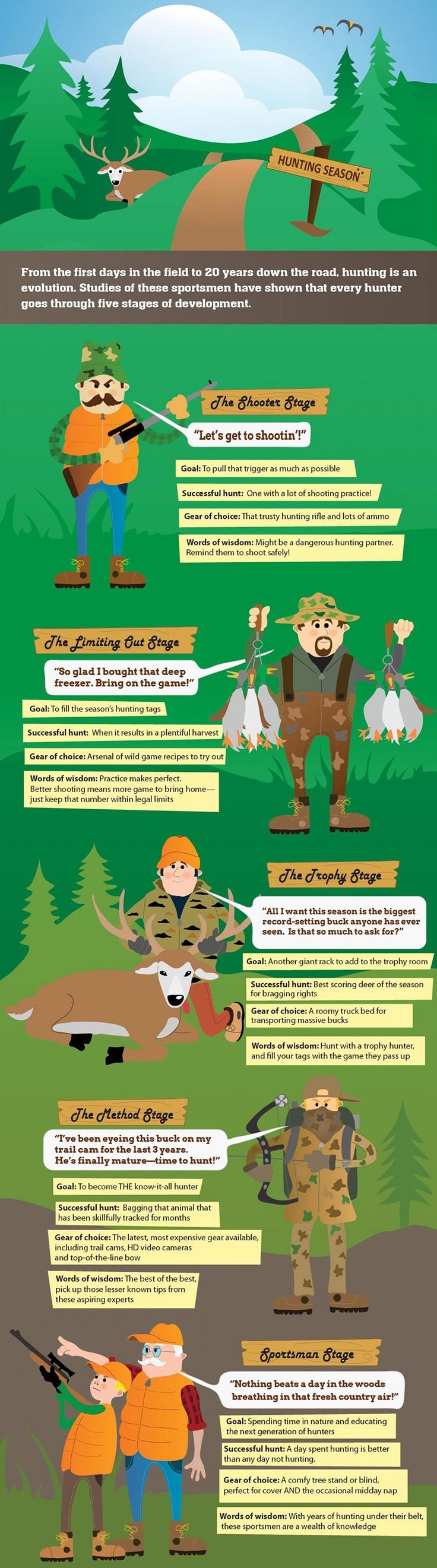
Evolution of a Hunter

wawang-lake

 WEBSITE    RATES     FISH    HUNT    CABINS    PHOTOS
TESTIMONIALS    BROCHURE    HUNT BOOKLET

Enter your email address to subscribe to this blog and receive notifications of new posts by email.

← Back

Thank you for your response. ✨

Email Me....


Tags: , , , , , ,