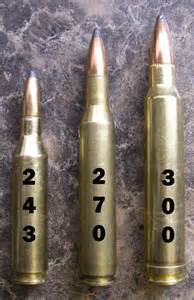
When it comes to choosing the right caliber on your next hunt here’s a chart to print out for reference.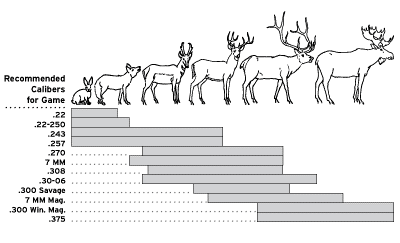
WEBSITE RATES FISH HUNT CABINS PHOTOS
TESTIMONIALS BROCHURE HUNT BOOKLET
When it comes to choosing the right caliber on your next hunt here’s a chart to print out for reference.
WEBSITE RATES FISH HUNT CABINS PHOTOS
TESTIMONIALS BROCHURE HUNT BOOKLET

While doing some research, I came across a fantastic article that outlines the starting point for any new hunter. We have all been there, wanting to do but not knowing where to start…..here is a fantastic push off point
Sean McCosh (DuckBuckGoose) – PHJ ProStaff – Cincinnati, OH
Want to learn how to hunt but don’t know where to start? You’re not alone. There are thousands of people who have recently become interested in hunting, many of which have never even shot a gun.

For many, that’s because we’ve been experiencing a food renaissance in America. People are becoming aware of the downsides and potential health risks associated with commercially raised meat and highly processed foods. As result, there is a renewed interest in getting back to basics and consuming locally harvested “real food” that you hunt, grow or gather yourself. As a lifelong hunter, I welcome this resurgence and the new hunters that come with it – because the more people who hunt, the more interested voters we have to fight for our right to hunt and help us protect important wildlife habitat for the future generations. Plus, as hunters, we love to share our passion for hunting and the outdoors with others…it’s in our nature. My bet is, once you discover the excitement, satisfaction, connectedness to nature and sustenance that hunting offers, you’ll want to share your passion for it too.
Hunter Safety Course
I was lucky. My Dad, my grandfather and my uncles were all hunters. They taught me from an early age the principles of gun safety, how to shoot a gun and to be an ethical hunter. I was blessed to have that opportunity, but if you didn’t, not to worry. Chances are your state offers (and probably even requires) a hunter safety course for new hunters. I took the Ohio hunters safety course when I was a kid and, although it was a long time ago, I can still remember being enthralled by the class and excited to take the test at the end, so I could finally get my hunting license and hunt alongside my Dad. If you are not sure what the laws are in your state, here is listing of the hunter education requirements for various states. In my opinion, the classes are interesting and fun and can teach the basics of everything from firearm safety to outdoor skills, to animal anatomy and public vs. private property rights laws.
Upon taking a hunting course, you’ll soon discover that there’s much more to hunting than simply walking in the woods and shooting an animal. You may be surprised that a very a diverse cross-section of the population is take hunting courses – ranging from young kids who come from a family of hunters, to recent immigrants, to “seasoned” foodies who are finally ready to see exactly where their food comes from. If you want to get a head start and take an online hunter education course before you take your state’s official course (if offered and required) you can do so online at this site from the International Hunter Education Association. In addition to what you learn in these courses, you can also learn a lot by signing up for ProHuntersJournal.com and picking the brains of hunters in our community. It is 100% free, so if you’re not a member, click here to join now.
Choosing a Gun and Shooting Practice
Again, I was lucky. My Dad was a knowledgeable hunter who knew exactly what I needed to get started hunting and when I was ready to progress to “the next level” by moving up to a bigger gun or a more challenging hunt. But if you are an adult just getting into hunting, the first thing you have to do is decide what animal or animals you want to hunt, because that will determine what sort of gun (or possibly bow) you’ll be using. Once you determine this, I suggest reaching out to an experienced hunter of your chosen game, to get their advice. If you know someone who hunts, there’s a good chance they will be willing to take you under their wing and maybe even let you borrow a gun after a little training. If you don’t know anyone who hunts these animals, not to worry. As I mentioned, hunters love to bring new people into the sport and share advice, so try reaching out to hunters in online message board areas of sites like this one, or by talking to a trustworthy sales person at a reputable sporting goods store or outfitter. If you go into a store to look at guns, you may want to approach it simply as a fact-finding mission at first, and make that clear to the sales person. Since guns and hunting gear can be expensive, a good first step could be to call up a shooting or hunting club near you and ask if they have the type of hunting gun you’re interested in available to rent, and if they offer shooting lessons. That way you can learn more about the gun and see if you like shooting before you jump in with both feet and spend hundreds of dollars.
Whichever gun you choose, you will need to practice gun safety always and practice your marksmanship often, to become an ethical hunter. These points cannot be stressed enough. I’d rather not shoot an animal at all than to shoot it poorly and run the risk of badly injuring but not killing it. The ethical hunter strives to be a great marksman and practices accordingly.
When I was first learning how to hunt, my Grandpa would often say… “Don’t point your gun at anything you don’t plan on shooting and don’t shoot anything you don’t plan on eating”. Of course the “eating” part didn’t apply to target practice, but there’s a whole lot of wisdom packed into that simple lesson of his.
Learning How to Hunt
There is no substitute for experience when it comes to hunting. So, if you don’t have experience yourself, try to borrow it. Approach the sport with a hunger for knowledge, a childlike curiosity and an open mind. If you do, and you are not afraid to ask questions, my bet is you can quickly find a mentor that will help you learn the basics, answer the many questions you might have and maybe even take you hunting.
My friend Jason is a phenomenal duck and goose caller. One morning this past season he was hunting our duck blind with another friend who is literally a world-class caller and has won several goose calling competitions and titles. As Jason was backing his duck boat into the water that pre-dawn morning, they saw a couple of new hunters clumsily attempting to put their tiny skiff in the water also, on what to them was an unfamiliar lake. It didn’t take long for Jason to realize that these guys didn’t know what they were doing, and that they were literally risking their lives by attempting to cross the icy waters of the lake in that tiny, overloaded boat. So, instead of lecturing them about what they were doing wrong, he simply walked up and invited these guys to join him in his blind. After all, they had plenty of extra room (and he didn’t feel like rescuing them from the icy waters when there were ducks to be hunted). Quickly realizing Jason was an experienced hunter, these two guys gladly joined. Their willingness to learn would be richly rewarded.
I was on the phone with Jason throughout that day to give and get field reports. Their hunt started out slow with very few ducks in the area. But, it ended up being a massive migration day for Canada geese. Realizing that, Jason ended up pulling most of his duck decoys and changing his decoy spread to set up primarily for geese. As huge flocks of geese started to come onto the lake, he and his championship goose caller friend put on a real calling clinic for these new hunters, which resulted in a 4 man limit of geese on their first “real” waterfowl hunt. Jason said the look on their faces was priceless when they realized the situation they had fallen into by being open to learning from more experienced hunters.
If you can’t find experienced hunters in your own social circles, reach out to your local division of wildlife office and ask them if they can point you to any local resources. Many Division of Wildlife or Natural Resources officers are hunters themselves and are very willing to share information to help you be successful. Another strategy is to contact the local chapter of wildlife conservation organizations like: The National Wild Turkey Federation, The Quality Deer Management Association, Ducks Unlimited, Delta Waterfowl, Rocky Mountain Elk Foundation or Pheasants Forever. The type of organization you choose to call will obviously depend on the game animal you want to pursue and where you live, but you’ll find that local volunteers for these organizations are passionate about hunting, and about bringing new hunters into their organizations. They can be a tremendous resource.
There’s one last point I need to make about learning from experience. Once you learn the basics by leveraging the experiencing of others, you’ll quickly start to realize that you’ll be learning something new on every single hunt, based on your own experience. This is one of the most rewarding aspects to hunting, because no matter how long you’ve been hunting, with every trip to the woods, every day on the water and with every animal encounter, you’ll start to pick up insights that will help you make better future decisions and make you a smarter hunter.
After the Shot
For many new hunters, the question of “what do I do with an animal once I shoot it?” is their biggest source of trepidation about getting into hunting. Well, it is a great question and there’s more to it than meets the eye. Your first challenge is to successfully recover the downed game. Once you shoot an animal, recovering it needs to become your first priority (after safety, of course). I’ve seen hunters get hopped up on adrenaline and side tracked by seeing more ducks in the air, or other deer approaching – causing them to take their focus off of animals they had already shot. This can lead to lost game, which is never a good thing and one of the most unfortunate situations in hunting. 
How you recover an animal depends on the species. For big game like deer, elk or bear, it is best to give the animal time to expire before you pursue it. If you make a great shot, sometimes you’ll see the animal go down and expire within your view, but it doesn’t always happen that way. There may be tracking involved, which is just another fun and challenging part of the hunting experience. If you’re hunting small game or fowl, you can and usually should go after them right away, to recover them wherever they dropped. Sometimes a quick follow up shot is needed to quickly and ethically kill the animal.
Once you recover a big game animal like a deer, you’ll need to tag it – which basically just means you put a tag with your name and some basic information about the harvest of the animal onto the animal itself. This is a legal requirement in most, if not all states in the U.S.
Then, whether it is big game or small, you’ll eventually need to clean and process the animal. For big game, like a deer, you will likely need to field dress or “gut” the deer out in the field. This serves two purposes. First, it helps cool down the body cavity more quickly, which helps preserve the quality of the meat. Secondly, it removes a lot of weight from the animal, which will help you drag it out of the woods to your vehicle more easily.
As for the question of how-to field dress a deer, how to clean a duck or any other animal, thankfully we live in an information age where practically everything you need to know can be found on the internet. That is, if you don’t have a friend or family member to show you first-hand. From field dressing to plucking to processing, a simple search on Google or YouTube will deliver links to dozens of videos that can help walk you through the process.
When I shot my first deer with a shotgun as a teenager, I was fortunate to have a family friend help me field dress it. Then I took it to a meat processor to butcher it. But when I finally took up (and fell in love with) bow hunting years later, I had no one around to show me what to do when I killed my first doe. Fortunately, I was prepared and had a step-by-step guide to field dressing printed from the web and put it in a plastic bag in my backpack – so I’d be ready if I was fortunate enough to harvest an animal. Good preparation is a hugely important part of successful hunting.
Getting Started Starts Now
When I decided to take up bow hunting, I was inspired by simply shooting a friend’s old compound bow at a local archery range. There was something about taking aim and releasing that arrow that resonated with something deep inside of me. Simply by shooting his bow, I realized that even though I’d never hunted with one, I was in-fact a bow hunter. So that day at the archery range I set a goal. I said to myself and to my friend, “I am going to buy a bow of my own, practice and kill a deer with it next season”. Mind you, although I was a long-time small-game and bird hunter, I had never hunted with a bow. My goal was to figure it all out…the equipment, the strategies and how to prepare for a hunt in ways that would help make me successful. So that’s what I did. Since then I’ve taken about twenty deer with a bow. I’ve fed my family with several of those deer and donated others to local food pantries or others in need. I am a bow hunter. A sportsman. A provider. And it all started with simple, clearly stated goal.
What’s your game? What’s your goal? It is time to get started!
Follow our FISHING BLOG
WEB RATES FISH HUNT CABINS PHOTOS
TESTIMONIALS BROCHURE HUNT BOOKLET

Modern firearms are powerful tools that experienced shooters understand need to be treated with respect. While a gun is in use, we carefully follow a set of common sense rules to keep everyone safe. But how do we practice firearms safety when the shooting or hunting sessions are over? Most of the guns folks own will spend the majority of their working life at rest, placed in one state of storage or another, until the next shooting event. Since they remain powerful tools between trips to the range, it’s very important to store them properly.

A wide variety of safe gun storage accessories and containers are currently available. However, there is no universal solution to fill every role, or to fit every budget. Safe storage options are intended to perform one or more of the following tasks, which they do with varying degrees of effectiveness depending on how much money you’re willing to spend:
1. Prevent a gun from firing
2. Protect a gun from physical damage
3. Act as a theft deterrent
It’s much easier to consider the pros and cons of each storage system when they can be compared side by side. The following discussion is a walkthrough of the most common safe gun storage options, starting with the least expensive:
Trigger Locks
Trigger locks fulfill a single safe gun storage objective: Prevent the gun from firing. Most new guns now arrive from the manufacturer with a trigger lock of some kind or other in the box. Trigger shoes clamp and lock around the trigger housing to prevent the trigger from being pressed. They should not be engaged on a loaded gun because they come in contact with the trigger as they are installed and removed. Cable locks allow the shooter to run cable through the barrel or action of a firearm. Since the cable blocks the action from being closed, the gun cannot be loaded or fired with the cable lock in place.
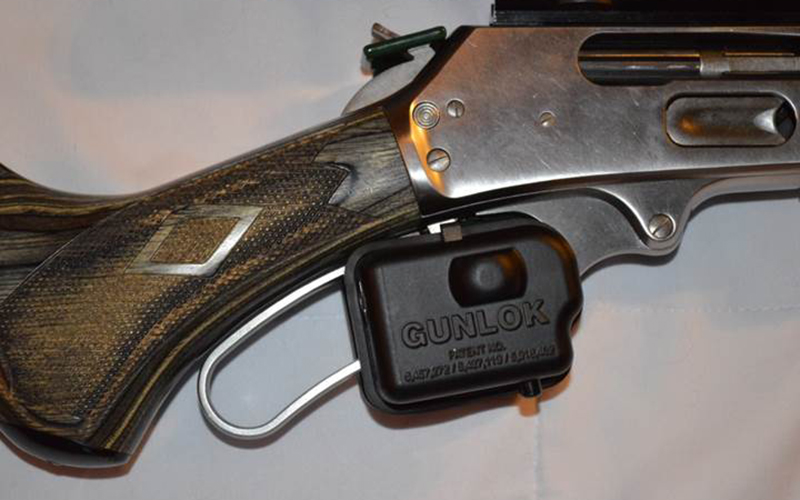
If these two lock options are not available, a simple household padlock can be looped over the trigger guard with the hasp set behind the trigger. This will prevent the trigger from completing a firing cycle. Although trigger locks are inexpensive (or even free), and can successfully prevent a gun from firing, they do nothing to protect the gun’s finish or to deter theft.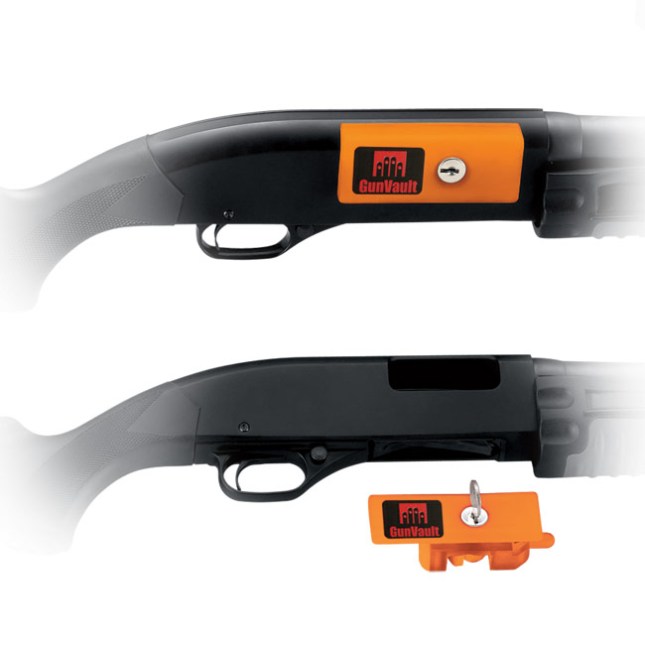
Soft-Side and Hard-Side Gun Cases
Most sporting goods stores have entire aisles dedicated to affordable handgun, rifle, and shotgun cases. The options available range from padded fabric sleeves to rugged foam-lined plastic cases. The primary role of this kind of affordable carry case is to protect guns from physical damage. While they do a good job of preventing dings and scratches, their role as a security device is relatively limited.
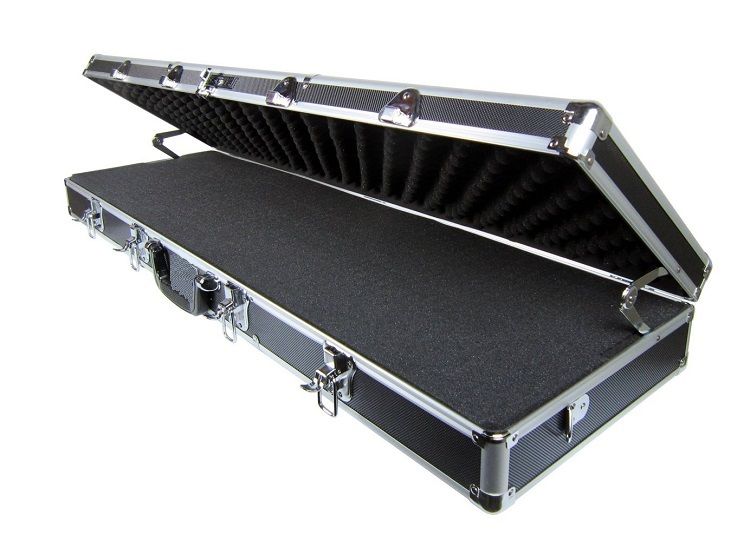 Most soft and hard side cases can be “legally” locked for transport to and from the shooting range (check your local regulations). This could be a luggage lock through a soft case’s zipper pull, or a padlock through the handles of a hard case. This security system may be enough to keep small children out as well. However, the materials these cases are made of are easily defeated by ordinary edged implements. These low-cost cases also have a low theft deterrence value since they are light and easy to move. They have to be hidden or locked inside of another container to protect them from theft.
Strong Boxes and Metallic Gun Cases
In an effort to strike a balance between the security offered by a locking gun cabinet and the portability of a gun case, several companies offer portable strong boxes and metallic gun cases. Metal gun cases usually incorporate a reliable locking system or the means to attach heavy padlocks. Strong boxes, usually intended for handguns, offer mounting systems for permanent attachment to a fixed surface. Some boxes are fitted with quick-opening locking mechanisms, including electronic push-button access and fingerprint scanners.

Strong boxes and metallic gun cases are the first products discussed so far that start to fill all three mandates of a safe gun storage device. They can effectively protect against unauthorized access because of the difficulty in opening these units without a key or lock combination. These containers will effectively protect a gun’s finish from damage. And, if they can be attached or locked to a fixed object or surface, they offer some level of theft deterrence. But with features to fill all three mandates, the price starts to go up. It may be necessary to purchase batteries or extra mounting hardware to take advantage of all the storage device’s available features.
Locking Steel Gun Cabinets
Remember that grand wooden gun display case that your great-uncle had in his den? Looking through the engraved glass panes of the double doors, you could see his beautiful vintage shotgun collection. Sometimes he would retrieve that little brass key to open the doors so you could get a better look. While this kind of locking gun cabinet looks wonderful, it does not offer any truly viable level of safe gun storage, accept against small children. To secure firearms, a locking steel gun cabinet is a more secure choice.
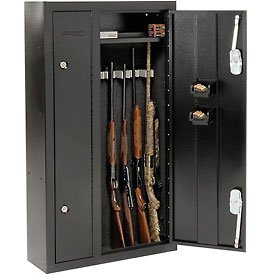
Cabinets differ from gun safes in several respects. They follow a less-is-more design. The thinner gauge of steel, a simple locking mechanism, and the lack of fire-proofing insulation greatly reduces the cost. Because they are light enough to be safely carried by one or two people, they can be set up in apartment buildings or second-floor rooms where a gun safe would simply be too heavy or difficult to install.
Cabinets are a big step up from metallic gun cases or strong boxes when it comes to storing multiple firearms. They offer a much larger storage capacity and more configuration options. Cabinets can be securely bolted to a wall or to the floor. However, they do not offer the same level of theft deterrence as a gun safe. If you have the cash for a high-end cabinet, and the room to store it, you may want to spend a little more and purchase an economy-line gun safe.
Gun Safes
Simply stated, gun safes are the most secure gun storage option available to the average gun owner. Even the basic units have terrific advantages over any of the other gun storage units described so far. A locked safe will definitely prevent a gun from being handled or loaded. The upholstered interior and built-in gun racks will help to protect the finish of the firearms while allowing air to circulate. And, best of all, they are an effective theft deterrent.

Much like automobiles or personal computers, gun safes are available with a wide variety of features, locking systems, and finishes, all of which affect the bottom line cost of the unit. These cost-changing features include the gauge (or thickness) of the steel used to construct the safe, the strength and reliability of the locking mechanism, the level of fire resistance (if any), the extent of the warranty, shelf and rack configuration options, as well as the color and quality options for the exterior finish.

Because all gun safes are relatively expensive (compared to other gun storage options) it makes sense to consider what you want very carefully before you buy. First-time safe buyers should be careful to avoid two common, but serious, mistakes. The first thing to avoid is buying a safe that’s too small. A unit that’s a perfect fit for your collection today may not serve your needs in ten years. A bit more expense up front may save you the trouble of changing out or adding a second safe down the road.
The second mistake is waiting too long to buy one. Yes, gun safes are big, heavy, difficult to install, and expensive to pay for. But they are well worth the trouble if you have a gun collection you care about. How do you know it’s time to invest in a gun safe? If the guns you have are worth more (sentimentally as well as financially) than the cost of the least expensive safe you would be willing to purchase, then it’s time to start shopping for one.
Follow our FISHING BLOG
WEB RATES FISH HUNT CABINS PHOTOS
TESTIMONIALS BROCHURE HUNT BOOKLET

Calling a shot simply means the marksman can tell where his bullet hit. This can be done by observing the bullet’s flight and impact or by knowing where the sights were the instant the firearm was triggered. There are two separate, but complementary, ways to call a shot.
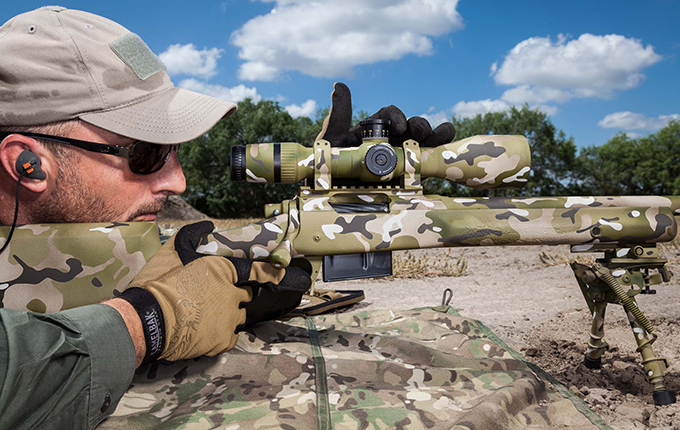
When shooting from non-prone positions, witnessing the impact of the bullet is difficult. The trick is to focus intently on the position of the sights and take a mental snapshot of where they were in relation to the target when the bullet was fired.
The best way to develop this skill is through dry-fire practice, coupled with live-fire practice shots at the range. When dry-firing, use a small target that is a challenge to keep the crosshairs on. Don’t fight the wobble of the sight, just smoothly break the shot as it covers the target. Remember where the crosshairs were when the trigger clicked. At the range, do this with every shot.
To actually see your bullet’s impact, you must pair this level of focus with excellent form. If you are square behind the rifle and not putting any pressure on the stock that will cause it to jump to the side under recoil, you’ll be able to watch the bullet and see where it hits.
Follow our FISHING BLOG
WEB RATES FISH HUNT CABINS PHOTOS
TESTIMONIALS BROCHURE HUNT BOOKLET

The sign of a first-rate intelligence, said F. Scott Fitzgerald, is the ability to hold two conflicting ideas in the mind and still function. So it is with fast rifle work. Riflery is a sport of deliberation and precision, but the demands of the real world very often make deliberation and precision impossible. Gunsite Academy sums it up to a T: “A good fast shot is better than a slow perfect shot because you won’t get time for the perfect shot.”
What follows is about shooting quickly after you have positively identified your target. It’s not about blazing away at sounds or snap-shooting at what you think is an animal.
Develop Your Mental Clock
The first step in shooting fast has nothing to do with shooting. It involves learning how much time you have to shoot, and whether you have to shoot fast at all. Much of this can be acquired by watching critters and reading their body language. A whitetail aware of evil nearby does not act like a whitetail whose greatest worry is where he’ll find a date that evening. An animal that’s 400 yards away does not act at all like the animal right under your tree stand.
On occasion, I’ve given the hunters with me heart failure because I waited and waited for a critter to move just a little bit to give me the exact shot I wanted. And I always got it because I knew that animals never stand still, and I knew that whatever I was about to drop the hammer on had no idea anything was amiss.
Eschew Perfection
Unlike shot gunners, who send out hundreds of pellets with every pull of the trigger and are happy if one or two of them get the job done, riflemen have it dinned into them that they have to be precise. It’s not enough to get a bullet in the 10-ring; you want to get it in the X-ring. If you’re shooting groups, you want to shave off every tenth of an inch you possibly can. And the way you do this is by being deliberate and getting everything perfect before you pop a cap.

This is exactly the opposite of how a good game shot operates. Animals have not evolved with 10-rings or X-rings. What they have are hearts and lungs, and a hit anywhere in either counts. Modern hunting bullets are so destructive that catching a distant corner of a lung will result in as certain a kill as a shot right through the middle of said organ.
Don’t Forget to Aim
On the other hand, you still have to aim. Many misses occur because hunters panic, get the crosshairs somewhere in what they think is the general vicinity of the beast, and yank the trigger. (The closer the critter, the more this seems to happen.) A little while back I listened to a Wyoming outfitter recounting in disbelief how a client, resting his rifle on shooting sticks, had managed to shoot an elk in the buttocks at 60 yards. “How do you hit an 800-pound animal in the ass at 60 yards?” he asked me, still indignant. (He tracked the poor creature for two days and eventually lost it.)

The answer is simple. When the moment comes, most hunters can only think: “OMG, this is the only chance I’m going to get!” Everything else, such as the fundamentals of riflery, goes right out of their heads.
Furthermore, too many hunters don’t practice. For them, the mechanics of mounting the gun, acquiring the sight picture, and pulling the trigger are about as familiar as those of piloting a space capsule.
What to Do?
I can’t tell you how to acquire cold blood. Jerry Fisher, the great custom gun maker, once told me that after you take about 300 head of big game you calm down. That sounds about right.
Short of that, the way to learn to shoot fast is roughly this: First, know your animal. There is no shortage of game-critter anatomical charts that you can study. Know where the lungs are. That’s always the percentage shot.
Second, when it comes time to shoot for real, envision an aiming point on the beast and hold for that. And the nanosecond the cross hairs are even close to it—not precisely on it—shoot. Fast, good shots, remember?
To practice shooting fast, you need a .22 rifle and a whole bunch of NRA 50-Yard Slow Fire Pistol targets. These have an 8-inch bull that’s just about the size of an animal’s boiler room. Set your scope at its lowest power and, at 20 yards, fire a five-shot string, lowering the gun from your shoulder between shots. What you’re trying to do is get that round off the instant the cross hairs are anywhere in the bull’s-eye. If the bullet hits in the bull, it counts. If it doesn’t, you missed.

It takes me about 1.7 seconds to mount the rifle, aim, and get the shot off. Since my skill with a gun is legendary, bordering on mythical, this is a good time for you to try to match. When you can get all five rounds in the black, every time, back up 5 yards. Eventually you will be shooting from 100 yards, and if you can put 20 out of 20 shots into the bull at that distance, shooting fast, I will buy you a cigar. Or you can buy me one for telling you this stuff.
Follow our HUNTING BLOG
WEB RATES FISH HUNT CABINS PHOTOS
TESTIMONIALS BROCHURE HUNT BOOKLET

You get what you pay for. That’s an adage we generally believe in. But does it hold up with respect to ammunition? We set out to answer that question by testing the accuracy of a variety of value-priced .308 hunting ammo against more costly stuff.

Methodology
Using three .308 rifles in the test—one hunting rig and two precision rifles that we knew would be ringers.
We put a number of budget and premium loads through all three rifles over the course of one day, ensuring the results wouldn’t be influenced by different environmental conditions. We also used a standard 5-shot-group protocol, and shot two groups with each load at 100 yards. As a control to establish a baseline level of accuracy for each rifle, we also shot 5-shot groups using Federal’s Gold Medal load with 175-grain Sierra BTHPs.
Using the baseline match load to calculate a ratio for each hunting load by dividing the size of the hunting-load groups into the size of the match-load groups. The closer to 1 that ratio is, the better the hunting load performed. None of the hunting loads outshot the match load, so all these ratios were greater than one.
Results
The outcome was interesting. The best hunting ammo was Hornady’s American Whitetail 150-grain Interlock SP. Compared to the baseline groups with the match ammo, this budget-priced load ($19.29 for a box of 20) shot nearly as well as the match ammo in all three rifles and had an impressive 1.41 average ratio. Federal’s Fusion, another bargain ammo ($21.49 for a box of 20) was second best among the loads, with an average ratio of 2.02.
The only expensive load that delivered consistent performance in all three rifles was Federal’s 165-grain Trophy Bonded Tip ($34.49 per box), The two Winchester loads had nearly identical levels of performance, though again, the less expensive 180-grain BST (2.11 ratio average) outshot the more expensive 150-gr. XP3 (2.81 ratio average).

It’s worth noting when purchasing premium ammo that the promise of greater accuracy is certainly implied because it uses better quality components, but that much of its benefit is based on the idea that it will perform better on game.
Conclusion
It pays to try different loads in several different bullet weights in your rifles. Investing money to find an accurate load is the cheapest way to get the most from your rig.
Follow our FISHING BLOG
WEB RATES FISH HUNT CABINS PHOTOS
TESTIMONIALS BROCHURE HUNT BOOKLET

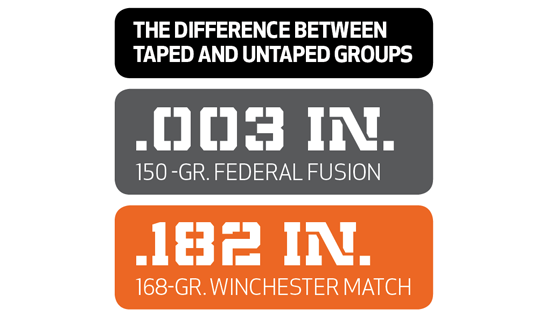
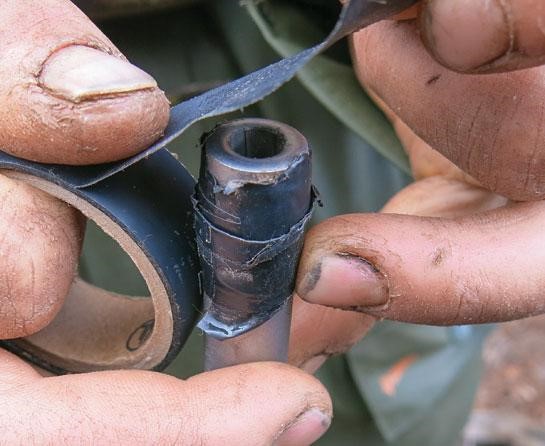 If you hunt in rainy places, you probably know about electrical tape, the basis of vigorous debate in almost any camp.
The tape, stuck over the muzzle, is used to keep precipitation and debris out of the rifle’s bore. But many hunters argue that the protective layer throws off your bullet’s impact point. Others say the flimsy barrier won’t deflect the bullet.
Which is it?
After testing the accuracy of two bullet types fired from the same .308 bench rest rifle, first without tape over its muzzle and then with electrical tape covering the bore. The results of eight 5-shot groups: Tape does not significantly degrade accuracy. Just as important, the tape also did not shift the rifle’s point of aim.
If you tape your muzzle to keep out the elements, you needn’t worry about shooting through it.
Follow our FISHING BLOG
WEB RATES FISH HUNT CABINS PHOTOS
TESTIMONIALS BROCHURE HUNT BOOKLET

So you’ve acquired a new hunting rifle. After saving your hard-earned cash and landing permission from your other half, the gun rests in your hot little hands. It looks great, feels great… it probably smells great… but more importantly does it shoot great? Now its time to hit the range and get this baby sighted in.
Truth is the same holds true for rifles we’ve had for many years. Chances are they don’t require the full-meal-deal, but sighting in, confirming that our equipment is in good working order, or realigning sights is something we should do on a regular basis.
Unfortunately many of us try to kill two birds with one stone. We visit the range infrequently and attempt to sight in and practice shooting all at the same time. It’s important to remember, sighting is very different from regular shooting practice. The process of sighting in involves aligning the scope (or other sights) with the firearm when using a specific bullet and load. Shooting practice involves discharging and often experimenting with different positions to allow our bodies to grow accustomed to the form and function of shooting.
 Believe it or not, many of us don’t sight in properly. It never ceases to amaze me how many hunters pick up their guns once or twice a year, assume it’s shooting straight and hit the woods without a second thought. As a professional outfitter I see it all the time. In fact, I’ve seen guests take it personally when, after arrival in camp, I ask them to take a few practice shots – just to make sure their gun is properly sighted in. As though I’m insinuating that they haven’t prepared for their hunt, once in a while I get a hunter who thinks I’m a control freak. Then the truth comes out. After a few shots it becomes obvious; better than half are inevitably in need of scope adjustments. Every one swears that they were shooting one-inch groups at home, but now their rifle requires major scope adjustments. In their defense, a multitude of things can happen to guns in transit. Blunt trauma to cases or directly to the scope itself can throw it way out of whack; hence the need to sight it.
To be honest many of us are guilty of not maintaining our rifle and scope. If you shoot regularly that’s one thing; you’re constantly checking it and tweaking the scope when necessary. In reality, most of us don’t. By in large, recreational hunters pick up their guns a few times each year. Whether you’re tuning a brand new rifle or confirming the accuracy of an old one, here are a few tips for sighting in:
1) Bore sight your rifle before shooting
 This first step applies mostly to rifles and scopes that have a new marriage. The first time a scope is mounted to a rifle the gunsmith will usually use a bore sighting tool. This tool is used to approximately align the crosshairs of the scope with the rifle barrel. Unfortunately some folks erroneously rely on bore sighting alone to zero their gun. Remember bore sighting can be precise but most often it only approximates accuracy. If, when you visit the range, you discover that you’re not even hitting the paper at all, consider rough bore sighting your gun. Practical with bolt-action rifles, by removing the bolt, you can stand behind the gun, look through the barrel and center the target. Then without adjusting the gun, look through the scope and make the necessary adjustments to bring the crosshairs in alignment with the target. This should get you hitting the paper in no time, then you can move on to shooting.
2) Shoot from a stable platform and rest
To reliably confirm the accuracy of your rifle and scope, you must shoot from a rest. I’m not sure I should say this or not, but I will. To illustrate the naivety of some, I’ve actually witnessed guys trying to sight in their rifles at the range by shooting freehand from a standing position. Needless to say these are the guys that get frustrated because they’re not hitting anything.
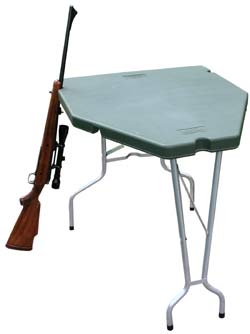
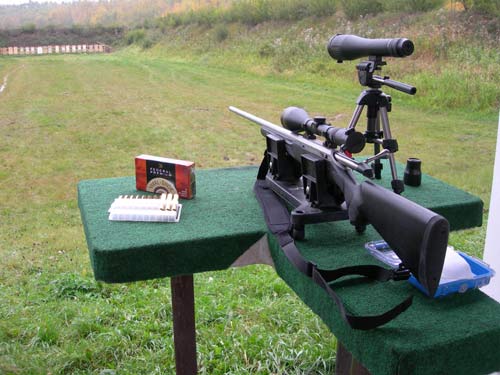
Remember, when we’re sighting in our rifles we’re not testing our shooting skill, but rather the accuracy of the gun, scope and bullet being used. Our goal should be to eliminate or at least minimize human error and allow the equipment to do its thing. With this in mind, a stable shooting bench or table is always recommended. Most shooting ranges are furnished with suitable tables or benches and adjustable stools. If you’re using a portable bench, make sure it is resting level on solid ground. Likewise, it’s imperative to use a shooting rest. In my opinion a vice can be that much better. I really like MTM Case-Gard products (www.mtmcase-gard.com). They make a variety of shooting supplies that are both affordable and practical. Few of us exhibit perfect shooting form. By understanding the biomechanics involved with aiming, breathing, squeezing the trigger and following through we can better acknowledge how to eliminate torsion while shooting from a rest. By cradling the rifle fore-end on a rest or in a vice, we can align our sights with the downrange target and maintain that alignment for a long period of time. Then, by gently squeezing the trigger to discharge, we minimize our human influence thereby allowing the firearm to perform more or less on its own.
3) Begin at close range, then move out to 100 yards and further
I’ve heard much discussion about the standard 100 yard shot and arguably for most bore-sighted rifles, sighting in at that distance is fine. But talk to the pros and most will agree that you should begin at 25 yards if you want to do it right. Making adjustments at close range is easier than at longer distances. At 25 yards you’ll find it easier to acquire your target; it simply appears larger and is easier to center the crosshairs at this short distance. Inaccuracies are simpler to rectify and adjustments can be made quickly at that distance. Remember, inaccuracies are exaggerated that much more at greater downrange distances.
As you make your fine adjustments to your scope, be aware of the increments and don’t overdo it. For example, with my Leupold VXIII, one click = 1/4 inch adjustment. So, if my shots were hitting consistently two inches to the left of center, I would likely need to dial the adjustment eight clicks in that direction, then shoot another round of bullets. Some folks disagree, but in my opinion it is better to make subtle adjustments, then shoot to confirm that you are working toward the zero mark. As long as there are no fliers, a series of three shots is typically representative of where the gun is shooting. Although with today’s scopes I don’t believe it is as crucial, I still like to give it a firm tap to seat the crosshairs after each adjustment.
When your rifle and scope are in sync at 25 yards, move to 100 yards. Most big game rifle and bullet combinations that are sighted in a couple inches high at 100 yards will shoot a hair low at 25 yards – with most deer hunters this is considered ideal (e.g., I like my 300 Win Mag to be 2″ high at 100 yards). Once your rifle is sighted in, try shooting at 200, 300 and 400 yards to better learn how your rifle, scope and ammunition perform at greater distances.
4) Use the same ammunition that you plan to hunt with
Not all ammunition performs the same. Be sure to sight in your rifle with the load that you plan to hunt with. Ballistics of variable bullet weights and designs (not to mention manufacturers) will perform differently. For instance, Winchester Ammunition’s 150 grain Supreme Elite XP3 (www.winchester.com) will inevitably perform differently than Remington’s 180 grain Core-Lokt, PSP (www.remington.com) shot out of my 300 Winchester Magnum.
If you reload your own ammunition, then you’re likely acquainted with factors affecting bullet performance. Working the right load may take some trial and error, but the same applies – always sight in with the bullet and load you intend to hunt with.
5) Record and reference each shot
Sighting in can be as labor-intensive as you make it. As a rule, several items are required and several more make the job that much easier. As an absolute necessity, we require a table or bench, a shooting rest, our rifle, ammunition and a target. Beyond these basics, the job is much easier with a spotting scope, tripod, and additional targets along with a marker.
As you begin shooting, be sure to analyze and record each shot. I like to use a Bushnell Elite 15-45x 60 mm spotting scope (www.bushnell.com) mounted on a solid tripod. At 45 power magnification, I can see every detail on the downrange target. My scope allows me to closely assess where I hit in relation to where I aimed. Further, many shooters like to keep a matching target on the bench while they are shooting. By checking their shot, then marking it on the target beside them, they can better track their progressions to confirm any scope adjustments and accuracy. This eliminates much of the guessing about which shot was which.
Follow our FISHING BLOG
WEB RATES FISH HUNT CABINS PHOTOS
TESTIMONIALS BROCHURE HUNT BOOKLET


Follow our FISHING BLOG
WEB RATES FISH HUNT CABINS PHOTOS
TESTIMONIALS BROCHURE HUNT BOOKLET


 ON TARGET in CANADA