RSS

Category Archives: Wawang Lake Resort

Develop Proper Archery Form


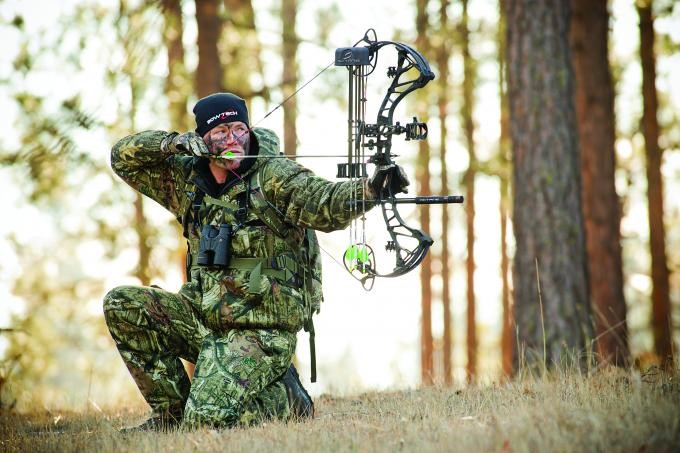
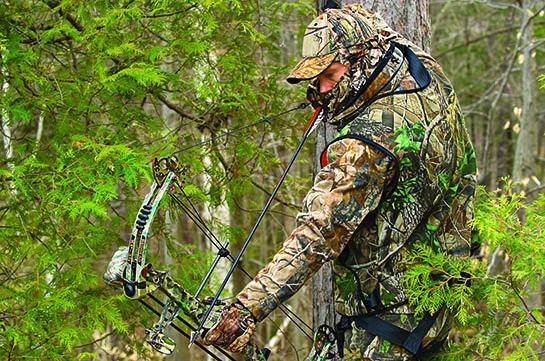
SONY DSCPictured here is perhaps the most popular position of the feet when it comes to shooting; the “Open Stance”. It is easy to perform and opens up the shooter to the target resulting in less interference with clothing from the bowstring.

Despite the fact that you may be shooting the most highly tuned bow, adorned with top of the line accessories, if your shooting form is bad your accuracy will likely be worse. Shooting with good form requires mastering a number of processes. However, once these processes are understood and learned, shooting with proper form will be as easy as walking across the floor; it will become second nature.

Before incorporating the following steps into your shot routine, be sure that you are shooting a well tuned bow set at the appropriate draw length.SONY DSC

Proper Shooting Stance
Where you place your feet during the shot process can have a great bearing on where your arrow strikes. By nature, your body has a natural centering point. If your feet are not positioned properly you might find yourself being pulled away from this centering point. As a result, the body will fight to return to this location. Unfortunately, this can occur during the shot which will impede accuracy.

Resist the urge to grip your bow. Instead, let your fingers naturally drop around the handle and riser. This will eliminate unwanted tension and bow torque making your shots more accurate.

There are 3 basic stance positions to consider. They are as follows.
  • Squared Stance:  Feet are in-line with one another, drawing a line perpendicular to the target.
  • Closed Stance:  Front foot is forward from the front of the body
  • Open Stance:  Front foot is slightly pointing toward the target.The best stance, regardless of which you choose, should be comfortable and solid. This starts by placing your feet about shoulders-width apart with your body weight distributed between the midsection and rear of your feet.

Most bow hunting experts will suggest an open stance which starts by positioning your toes 90 degrees to the target, and then taking a half-step backward with the foot that is closest to the target. This stance will essentially place the chest more toward the target and allow for greater bowstring clearance along the bow arm and chest.

However, this stance may not be for everyone. In order to find your perfect stance, enlist the help of a friend and simply close your eyes and draw your bow while facing a archery target with a wide back 1wall, anchoring as you normally would. With your eyes still closed, move your body and feet around until you find the most comfortable position. Then, open your eyes and note the direction of your aim.

When it comes to hauling back the bowstring, don’t rely on the small bicep muscles of the arm. Instead, use the larger, more stable muscles of the upper back and shoulder. Not only can these muscles pull more weight, they are also steadier and fatigue less quickly.

Let down the bow and reference the position of your feet by pointing an arrow straight at the aiming spot. You have just found your stance.

SONY DSCCorrect Bow Grip
When it comes to gripping the bow you want to do so in such a way that hand torque is not promoted. In other words, you want your grip to be as torque-free as possible. To do this, you first need to find the best location for the grip to contact your hand. This can easily be accomplished with a simple test.

First, take your bow hand and hold it out as if you were going to grip the bow; keeping it slightly open and rigid to imitate pressure being applied to it. Next, take your thumb from your other hand and push it into your bow hand at different locations. You will notice that every location you push with your thumb causes your bow hand to move or collapse—-except one. That one spot is where you want to place the pressure of the bows grip while at full draw.

Your bow arm shoulder should be down and in a “locked” position while at full draw. This makes it more difficult to flex the bow arm causing shot-ruining muscle tension.

This location is typically where the bones in the forearm butt up against the base of the palm. It is a bone-to-bone contact point and is the most reliable, torque-resistant location in which to place the bow grip.

When grabbing the bow, place a small amount of tension on the string, just enough to feel it in your bow hand. Then position the grip into the area you discovered by pressing your thumb into your palm. Now you are ready to draw the bow. Just remember, upon reaching full draw, your bow hand should remain relaxed with your fingers falling down or dangling around the front of the riser.

Drawing the Bow
This may seem like a trivial facet to good shooting, but drawing the bow properly incorporates all of the essential muscles needed in order to shoot with good form; mainly, the back muscles. One of the easiest ways to do this is to think of your drawing arm elbow as having a hook in it. When drawing the bow, start with your elbow about as high as your jaw line. Then, imagine someone has a string attached to the hook that is in your elbow. Now, think about them pulling your elbow straight back as you draw your bow. Instead of puling with your biceps, you will notice that you are actually drawing the bow by using the larger muscles of the upper back; specifically, the rhomboid muscles. This will allow you to relax the rest of your body and pull through the shot using only your back.

SONY DSCBow-Arm Position
A steady aim equals comfortable shooting and tighter arrow groups. A relaxed bow hand is the key to this. To acquire this it is imperative that your drawing side shoulder be down and in a locked position during the shot. Positioning the shoulder in such a manner will greatly reduce muscle tension which is the root of poor aiming. Before drawing the bow, lean slightly toward the target, then start the drawing process. This will place the shoulder in a low, locked, “bone to bone” position.

When it comes to where you place your release-hand, choose and area along the face/jaw-line that is easily repeatable and consistent; your shooting will likewise follow. Hunter shown wearing Lost Camo.

Anchor Position
Consistency is the cornerstone to good shooting. The best location to anchor your bowhand is somewhere along the jawbone that provides the most stable platform. In other words, choose a spot that allows your hand, knuckles, etc. to rest solidly as you release the trigger of your release or let go of the bowstring.

A good tip is to locate this spot with your eyes closed, without looking through the peep sight. Then, once your anchor point has been established, with your head in a natural, upright position, you can open your eyes and adjust the peep sight to your eye, instead of adjusting your eye to the peep sight.

The bottom line is to find an easy-to-repeat anchor point; one that will be consistent and second nature when shooting under pressure or any other time.

TIf good shooting form and posture are present, your body should resemble the letter “T” when viewed from behind. Hunter shown wearing Lost Camo.

Establishing T-Form
The easiest way to confirm that proper draw length and comfortable shooting posture are being used is to look for the “T-Form” as the archer is at full draw. This is easily recognized while looking at the shooter from behind. When doing so, his/her body will represent the shape of a “T”.

The torso should be vertically straight, with a direct line running up and down through the spinal column. The horizontal line in the “T” should run from the bow-side elbow, through the shoulders, and across to the drawing elbow. The trick to establishing this “T” form is to make sure that your drawing elbow isn’t too high or too low. Ideally, it should be about the same height as your ears while at full draw. This will promote the use of back muscles to draw and execute the shot.

Include these simple steps into your shouting routine and watch as your accuracy improves and your confidence soars not only on the 3D archery range, but in the field as well.

Follow our FISHING BLOG

WEBSITE    RATES     FISH    HUNT    CABINS    PHOTOS
TESTIMONIALS    BROCHURE    HUNT BOOKLET

Enter your email address to subscribe to this blog and receive notifications of new posts by email.

← Back

Thank you for your response. ✨

Email Me....


3 Comments

Posted by on January 12, 2016 in archery, bow hunting, Wawang Lake Resort


Tags: , , , , , , , ,

Portable Kitchen – Packsack

grub_hub_+camp_kitchen

For many outdoor enthusiasts on this planet camping is still an popular activity. But being out in the wilderness doesn’t have to mean sacrificing all the amenities we take for granted at home. The Grub Hub is a portable kitchen that’s been around for a few years, but we’ve only now discovered.

It packs everything, and yes, even the kitchen sink. No, this isn’t just a bad play on words: it does come with its own sink for washing your dirty dishes. Aside from holding your stove (not included), there are compartments to hold your pots and pans, telescoping rods to hang your lanterns or anything else that can be hung, and even 9 square feet of table surface for you to prepare your meals on.

[ Product Page]
grub_hubFollow our FISHING BLOG

WEBSITE    RATES     FISH    HUNT    CABINS    PHOTOS
TESTIMONIALS    BROCHURE    HUNT BOOKLET

Enter your email address to subscribe to this blog and receive notifications of new posts by email.

← Back

Thank you for your response. ✨

Email Me....


Tags: , , , , ,

Winter Camping For Beginners

Winter Camping
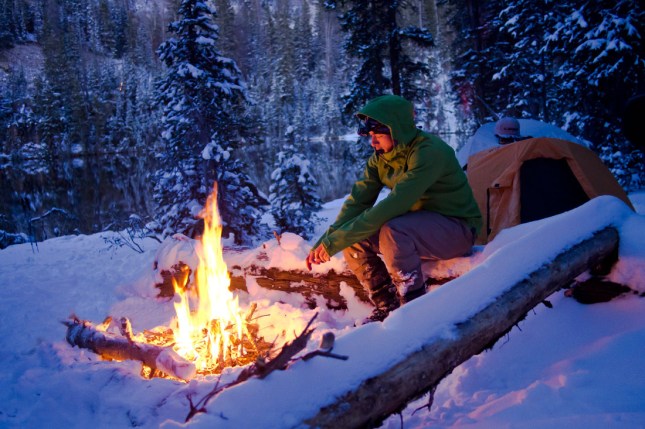
Winter camping can mean different things to different people.  For some, it means renting a cabin heated by a wood stove. For oth­ers, it means pack­ing snow­mo­bile trail­ers to the brim. For the more adven­tur­ous, it means grab­bing a pack and haul­ing in all the neces­si­ties to a remote loca­tion. No mat­ter how you win­ter camp, the fol­low­ing tricks are useful.

WEAR A FIRE­PROOF SHELL
If you are going to build camp­fires, either for the sake of cook­ing, warmth, or morale, make sure that your outer layer of cloth­ing is less likely to end up ruined if struck by an errant ember.  Wool is one of the best, most fire-resistant nat­ural mate­ri­als and is great for this.  Down jack­ets are down­right (no pun intended) awful, and you can lose tons of feath­ers this way.

PACK THE SNOW
Before set­ting up your tent, pack down your camp­site. If you have skis or snow­shoes, that means tramp­ing around hard until all the snow is packed.  If you’re shod only in boots this will take some time, but if you don’t do this, you run the risk of step­ping into a soft bit of snow in your tent and tear­ing the floor.

PACK AN EXTRA HAT AND GLOVES
Always carry a spare hat and a set of mit­tens. No mat­ter how dili­gent you are, no mat­ter how reli­gious you are about using idiot strings and keeper cords, you will lose a hat, and you will lose a glove.  Keep a cheap spare, or be pre­pared for frost­bite or a fore­short­ened trip.

EMBRACE THE PEE BOT­TLE.
Being cold can cause you to want to uri­nate more fre­quently, and we all know how incon­ve­nient it is to dis­robe and undo your sleep­ing bag at 0 degrees F.  For women, I highly rec­om­mend look­ing into the var­i­ous acces­sories that allow you to pee whilst stand­ing, and for both gen­ders a WELL-MARKED pee bot­tle will keep you warm and sim­plify your nightly con­ti­nence. For the love of god, don’t con­fuse your water bottle—color is not enough, make sure your bot­tle is well-marked and maybe wrapped in some duct tape.

USE THOSE STAKES
If there is snow, you can stake out your tent.  You can always make dead­men out of sticks or fallen trees, stuff sacks full of snow, buried skis, snow­shoes, poles, ice axes, or what have you.  There is no excuse for a poorly staked-out tent.  If you expect no snow and frozen con­di­tions, plenty of com­pa­nies make hard tent stakes meant to push through frozen ground, either out of tita­nium, steel, or 7075-t6 aluminum.

BRING THE RIGHT SLEEP­ING PAD
As Bear Grylls says, two lay­ers on the bot­tom are worth one on the top.  That is, you lose more heat through con­duc­tive heat loss when sleep­ing than any­thing else, so win­ter is no time to skimp on your sleep­ing pad.  Make sure you have a pad with an r value of four or more, and if you have one, throw a closed-cell foam pad under­neath. If you feel like your pad isn’t cut­ting it, stuff extra cloth­ing under­neath you, and toss your down jacket on top of your sleep­ing bag.

BOIL THE SNOW
Leave your water fil­ter at home.  Chem­i­cal fil­ters take longer to work in the cold, and mechan­i­cal fil­ters can crack and fail. Your best bet for water fil­tra­tion is boil­ing your water, as you prob­a­bly have to melt snow any­way. Don’t be suck­ered into think­ing glacial melt or fresh snow is sterile–it isn’t. Snowflakes often form around small bits of dust (nucle­ation sites) which can be bac­te­ria or viruses float­ing in the upper atmosphere.

SLEEP WITH YOUR BOOTS
Use boots with remov­able lin­ers, so you can put those lin­ers at the bot­tom of your sleep­ing bag to keep them warm.  If you only have single-layer boots, put them in a water­proof stuff sack at the bot­tom of your sleep­ing bag.  Noth­ing means morn­ing hypother­mia more than frozen boots!

CAMP BY CAN­DLE­LIGHT
A can­dle lantern safely hung on the inside of your tent (far enough away from you and the ceil­ing so as not to be a fire haz­ard) does won­ders to both warm your tent and reduce con­den­sa­tion.  Despite this, a towel for scrap­ing off con­den­sa­tion is always welcome.

EMBRACE LITHIUM
Use lithium bat­ter­ies in all your win­ter elec­tron­ics.  Not only does lithium per­form con­sis­tently down to much colder tem­per­a­tures than alka­line or NiMh bat­ter­ies, but they are lighter, last three times as long, and have a flat decay curve.

WIPE WITH CARE 
In the sum­mer, comfy leaves or soft river stones abound, but in the win­ter they’re few and far-between. While many have picked up pinecones in des­per­a­tion, the best read­ily found alter­na­tive is just plain old snow. It’s effective, ubiquitous, and leaves behind lit­tle residue.  If you do bring TP, please either pack it out or burn it. The ground is too hard for catholes and for those who have hiked along the Appalachian Trail dur­ing the first spring thaw, a mound of TP gen­er­ally sig­ni­fies a poorly hid­den scat stash.

FIGHT CON­DEN­SA­TION WITH A VBL
If you’re out more than a week, use a VBL, or vapor-barrier-liner for your sleep­ing bag.  Con­den­sa­tion from your own body can freeze within the upper layer of your sleep­ing bag where the warm air meets the freez­ing air, and over time your sleep­ing bag can become frozen solid.  While they are not as com­fort­able to sleep in, it beats hit­ting your sleep­ing bag with a ham­mer every night like some polar explor­ers have had to do.

FLIP YOUR BAG
If it’s not snow­ing, turn your sleep­ing bag inside out on top of your tent to dry dur­ing the day.  This is a great rea­son to choose win­ter sleep­ing bags with a black interior–it absorbs more solar energy and dries out faster.

FLIP YOUR WATER
If you have a large water stor­age con­tainer, turn it upside-down when stor­ing it overnight.  Ice forms from the top down, so keep­ing the spout/opening of your con­tainer fac­ing down keeps it from get­ting frozen up. This can be com­bined with insu­lat­ing the con­tainer, of course.

VASE­LINE
Cover exposed skin in Vase­line or ani­mal fats. Inuit have been doing this for years–simply slather any exposed or poten­tially exposed skin on your face, ears, neck, wrists, or hands in a thick oil and they’ll be less prone to wind­burn and frostbite.

Stay warm!
winter-camping-uintas

Follow our FISHING BLOG

WEB   RATES     FISH    HUNT    CABINS    PHOTOS
TESTIMONIALS    BROCHURE    HUNT BOOKLET

Enter your email address to subscribe to this blog and receive notifications of new posts by email.

← Back

Thank you for your response. ✨

Email Me....


Tags: , , , ,

Frugal Scent Free Ideas

So obviously there is a multimillion dollar market out there dedicated to every type of scent free product out there.  From sprays to wipes, shampoo to soaps, it is all out there and available.

Scent Free Wipes

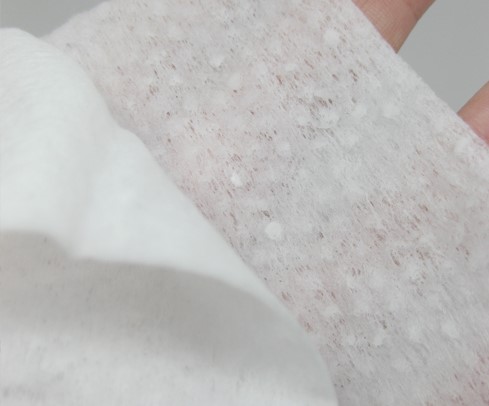
Use scent free baby wipes for scent free hunting wipes. These are readily available at the grocery store and packaged perfectly for transport. They don’t say “odor eliminating” but seem to do a bang up job of cleaning up after a child while still being safe on the skin 🙂

homemade towelette

Scent Free Spray and Wipes (Homemade Version)

Ingredients for Scent Killer:

• 16 oz. (2 cups) Peroxide ( yes, I use the brown bottled stuff)

• 16 oz. (2 cups) Distilled Water or water from a dehumidifier

• ¼ cup baking soda 

1 oz. On non-scented shampoo (I use Hunters Specialties green shampoo) 
(Or adjust amounts to whatever size you make accordingly)

Directions:

Let sit for several days (a 1 gallon milk jug works good with lid loose). This recipe is also good for removing blood from your hands in the field after dressing your critter! No dried blood, presents a better photo image!

Homemade Scent Free Wipes

Mix up a batch of scent killer per instructions above. Next, take a roll of heavy duty paper towels (The blue shop towels work great!) 

cut the roll in half with an electric knife or saw so you have 2 short rolls of paper towels (don’t try a regular knife… it doesn’t work). Pull the cardboard tube from the middle of the half roll then 
find a coffee container big enough to hold the 1/2 roll of paper towels (and with a good sealed lid). 

Put one of the 1/2 rolls of paper in the container, pour in the scent killer, let the wipes soak up the scent killer, keep covered tight so they don’t dry out. Because the inner cardboard tube is out, pull the paper towels out the from the middle like a Kleenex!

Scent Free Soap

OK, how many bottles of scent free body wash have we all bought over the years? That liquid soap sure does not seem to last very long, and gets to be expensive after a while, especially if you have multiple hunters in the family. After spending a lot of money on this myself, I decided to look for fragrance free bar soaps, and finally I found that Dove makes one – Dove Fragrance Free Senstive Skin Unscented Bar.  Dove brand prides itself on being sensitive and the claim to being scent free is stringent.  Great value for the price!

soap

Scent Free Deodorant

Like the bar soap, there are many traditional brands of scent free/fragrance free deodorants out of the market. Next time you are at the drugstore browse the deodorant section and you will find many brands that have these scent /fragrance free products in both gel and solids. Ensure you buy a brand that you know will protect you from perspiring as that will be half the battle.  Use the deodorant for a few days in day to day activities prior to using it in the field to ensure a successful outcome.

Scent Free Laundry Soap

Ok, I am sure most of you have heard of this one, but I use plain old baking soda! Again, I can attest that it seems to work just fine, I buy a large box of this at my local super store (Costco) and, for me, and it lasts all season long. I use it to wash all my hunting clothes in. Speaking of washing, always use cold water, and turn your camo inside out to help lengthen the life of your favorite camo garments. I have had the same set for over 5 years now, and they still look new, and work just fine. Another note about using baking soda, put it into the water first, and make sure it is dissolved before you put your clothes in, if you put it over top of your clothes, it may not dissolve, and your clothes will come out with white powder or lumps still on them 😦  For an extra boost of clean, add Oxy powder to the cycle as it will remove staining without adding additional scents 🙂

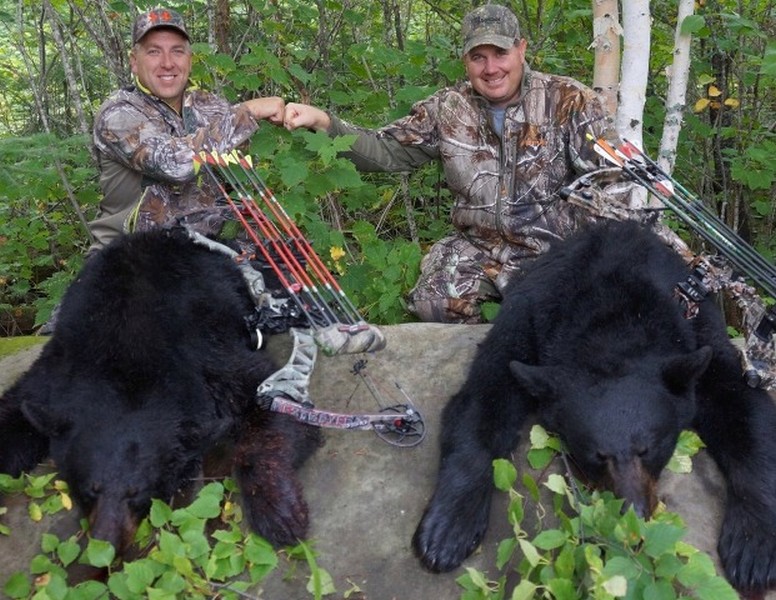
2 bear sized

Follow our FISHING BLOG

WEB   RATES     FISH    HUNT    CABINS    PHOTOS
TESTIMONIALS    BROCHURE    HUNT BOOKLET

Enter your email address to subscribe to this blog and receive notifications of new posts by email.

← Back

Thank you for your response. ✨

Email Me....


Tags: , , , ,

Muscle Exercises for Archery

Archery is a sport that involves the use of a bow and arrow, This sport is hundreds of years old and is even featured in the Olympics. The actions in archery utilize several main muscle groups in the body, including the triceps, which sit at the back of your upper arm, the deltoid muscles in your shoulders and the latissimus dorsi muscles in the lower back. To improve your archery skills, include exercises that target these muscles in your workout.

archery123

Raise One Arm to Boost Arm Strength

Dumbbell one-arm lateral raises strengthen the deltoid muscles, which are used to provide strength and power for holding and pulling back the bow in archery. Stand straight with your feet shoulder-width apart, your right hand holding onto a stationary object on your right and your left hand holding a dumbbell straight down so it’s resting in front of your pelvis. Slowly raise your left arm up to the side, continuing until your elbow is at shoulder-level. Lower it back down, repeat and then switch arms.

Row, Row, Row Your Muscles

Spending time on the rowing machine is well worth it if you want to improve muscles for archery, because it works all of the primary muscles used in the sport including the deltoids, latissimus dorsi and triceps. Sit on the seat with your feet strapped in securely. Keep your back straight and hold onto the handle. Slowly push off with your feet, sliding back until your legs are almost fully extended. Return to your starting position and repeat.


resistancebandsexercises

Go Overhead for Strong Triceps

The overhead triceps extension is one of the most effective exercises for the triceps muscles. Stand straight up with your feet close together, one slightly in front of the other and both flat on the floor. Extend your arms fully above your head, grasping the top of a dumbbell with both hands. While keeping your upper arms beside your head, slowly flex your arms, lowering your forearms behind you toward your back until you feel a light stretch in your triceps. Raise your arms back up above you to complete one rep. Repeat.

Get Big Results with the Barbell Pullover

The barbell pullover exercise targets the latissimus dorsi muscle in the back, but it also works the triceps and deltoids, making it an integral muscle exercise for archery. Lie your upper back perpendicular on a flat weight bench, your legs bent in front of you on a right angle with your feet flat on the floor. Grasp a barbell, position your arms so they’re extended straight above you and keep your hands aligned with your shoulders. While keeping your arms straight during the movement, move your arms back in a slow, controlled motion, until the barbell is directly behind your head. Then, return to your starting position. Repeat.

Why You Need the Lat Pulldown in Your Life

The latissimus dorsi is the largest muscle of the back and is one of the main muscles in the body used in archery, primarily during the drawing motion of the bow. Lat pulldown exercises are most effective for targeting this muscle, so try the cable close-grip pulldown. On the seat of a lat pulldown machine, place your feet flat on the floor below you and position your hands above you while grasping onto the parallel cable attachment. Engage your core, pull down on the cable attachment and then return it until your arms are fully extended. Repeat.

bow1

Weights, Reps and Sets

Even with all the right exercises, if you’re not using the right amount of weight or completing the proper number of sets and reps, you’re not going to get the results you’re hoping for. Start off with a weight you can manage, and only increase the amount of weight you’re using when you can complete a full set of 12 reps while maintaining proper form the entire time. Gradually work up to completing three sets of 12 reps.

Follow our FISHING BLOG

WEB   RATES     FISH    HUNT    CABINS    PHOTOS
TESTIMONIALS    BROCHURE    HUNT BOOKLET

Enter your email address to subscribe to this blog and receive notifications of new posts by email.

← Back

Thank you for your response. ✨

Email Me....


Leave a comment

Posted by on January 8, 2016 in archery, hunting, Wawang Lake Resort


Tags: , , ,

Art of Archery – A Timeline through Ages Infographic

ODL0814_HUN02

Here’s an interesting read Infographic on the evolution of archery
art-of-archery-a-timeline-through-ages-infographic-by-global-gear

Follow our HUNTING BLOG

WEB   RATES     FISH    HUNT    CABINS    PHOTOS
TESTIMONIALS    BROCHURE    HUNT BOOKLET

Enter your email address to subscribe to this blog and receive notifications of new posts by email.

← Back

Thank you for your response. ✨

Email Me....

 
Leave a comment

Posted by on January 7, 2016 in archery, Wawang Lake Resort


Tags: , , ,

Shoot it! : A picture is worth a thousand words!

Wawang has always been synonymous with great trophies.  We have also be recognized as one of the most photographed filled brag book holders amongst our peers.  Believe me, when you have this much to be proud of, you want the world to see it 🙂

This slideshow requires JavaScript.

It is for this reason that we announce that we can now be found on Instagram!  With so many photos of successful fishing and hunting, it just makes sense to share it with the world.

We have always lived by a principal here: Show me, don’t tell me!  Join us and see what we can show you…..because remember, what you show, shows what you know!

Come on over and see our page WawangResort  and tell us what you think!

Follow our FISHING BLOG

WEB   RATES     FISH    HUNT    CABINS    PHOTOS
TESTIMONIALS    BROCHURE    HUNT BOOKLET

Enter your email address to subscribe to this blog and receive notifications of new posts by email.

← Back

Thank you for your response. ✨

Email Me....

 
Leave a comment

Posted by on January 6, 2016 in black bear, moose, Wawang Lake Resort


Tags: , , , , , , , , , , , ,

Time to Start Planning Your Bear Hunt!

The season has come and gone with plenty of success.
Many people dream one day of harvesting that trophy bear but put it off for one reason or another….time to put the excuses on hold!

Bear Rates


For in depth hunting information check out our Hunt Booklet:  http://www.flipsnack.com/wawangresort/hunt-information-booklet-fdc8w9nxq.html

Follow our FISHING BLOG

WEB   RATES     FISH    HUNT    CABINS    PHOTOS
TESTIMONIALS    BROCHURE    HUNT BOOKLET

Enter your email address to subscribe to this blog and receive notifications of new posts by email.

← Back

Thank you for your response. ✨

Email Me....


Tags: , , , , , ,

Gear up: The Parts of Compound Bow

combowwawanglake


The lure of archery hunting has been an age old tradtion. From the evolution of spear to projectile, a sport was born!

Many people (including myself) have been daunted by the task of choosing their first bow. From draw length to pull pounds, this choice can be pivitol to a successful purchase.

There are many manufacturers and models being introduced yearly boasting a wide array of different accessories, colors, cam numbers and composites but in general, most compound bows come equipped with the same basics.

Study the image to the right to help learn the parts of the compound bow. Click on a compound bow part for glossary definition.

Parts of a Compound Bow

parts of a compound bow

  1. Arrow Rest
  2. Arrow Shelf
  3. Berger Hole
  4. Bow Sling
  5. Bow String
  6. Brace Height
  7. Cable(s)
  8. Cable Guard
  9. Cable Slide
  10. Cam(s)
  11. D-Loop
  12. Fletchings / Vanes
  13. Grip
  14. Limb(s)
  15. Nock
  16. Nocking point
  17. Peep Sight
  18. Quiver
  19. Riser
  20. Sight
  21. Silencing Aids
  22. Stabilizer
  23. String Vibration Arrester
  24. Tiller Measurement

With this basic outline, you can build your understanding and move forward into the purchasing stage.  Remember, before attempting to harvest any animal, practice practice practice!  More times than not, an amateur archery hunter will skip this step and either miss or wound an animal needlessly 🙂

If you are anxious to use your bow immediately, join an archery club…not only will you learn the skills needed, but you may even meet others that are looking forward to hunting and may request your company 🙂

Follow our FISHING BLOG

WEB   RATES     FISH    HUNT    CABINS    PHOTOS
TESTIMONIALS    BROCHURE    HUNT BOOKLET

Enter your email address to subscribe to this blog and receive notifications of new posts by email.

← Back

Thank you for your response. ✨

Email Me....

 
Leave a comment

Posted by on January 4, 2016 in archery, bow, Wawang Lake Resort


Tags: , , , , , ,

Quick Tips For Hunter Safety

While reading some great hunting articles last night, I came across a very overlooked topic.  This is an article written by Tyrrell Hearn and is a great quick snippet on basic hunter safety tricks!

climbing treestand

Over the years we have all heard of hunting accidents and how bad they can be. Hunting safety should be paramount in the mind on any hunter, especially those using high-powered rifles. It goes without saying that guns are designed to take life quickly and effectively, making it imperative that you treat them as such. If you are a hunter, here are a couple tips to keep you safe this season.

IMG_5703 (640x495)

Blind placement– Keep in mind that there are people around you who may also be hunting in the mornings and evenings. Be mindful of other known hunting groups in your area. Having a chat with them about the direction of their firing lanes so everyone is up to date on their neighbor’s new hunting spots is a great way to stay safe.

Less powerful bullets– It is always a draw to buy the highest grain bullet for your guns, however, higher grain equals a faster and longer bullet trajectory. Pick something a little smaller but effective for the game you are targeting.

Aviary Photo_130254763368957516

Hollow points– Buy hollow point bullets. Full Metal Jacketed bullets are not legal to hunt with in most areas anyway. Hollow or soft tipped bullets will break up even if they are only hitting brush and small trees. Lessening your chance of a bullet traveling way past your target.

P1040004

Safety orange– Wear your safety gear so that even at a distance, the most novice of hunter will not mistake you for an animal.

Stay safe, think ahead, and have a great hunting season!

Follow our FISHING BLOG

WEB   RATES     FISH    HUNT    CABINS    PHOTOS
TESTIMONIALS    BROCHURE    HUNT BOOKLET

Enter your email address to subscribe to this blog and receive notifications of new posts by email.

← Back

Thank you for your response. ✨

Email Me....

 
1 Comment

Posted by on January 3, 2016 in archery, black bear, grouse, moose, Wawang Lake Resort


Tags: , , , , , , , , ,