RSS

Category Archives: hunting equipment

The Best Crossbows

crossbow hunting, hunting with crossbow, best crossbows

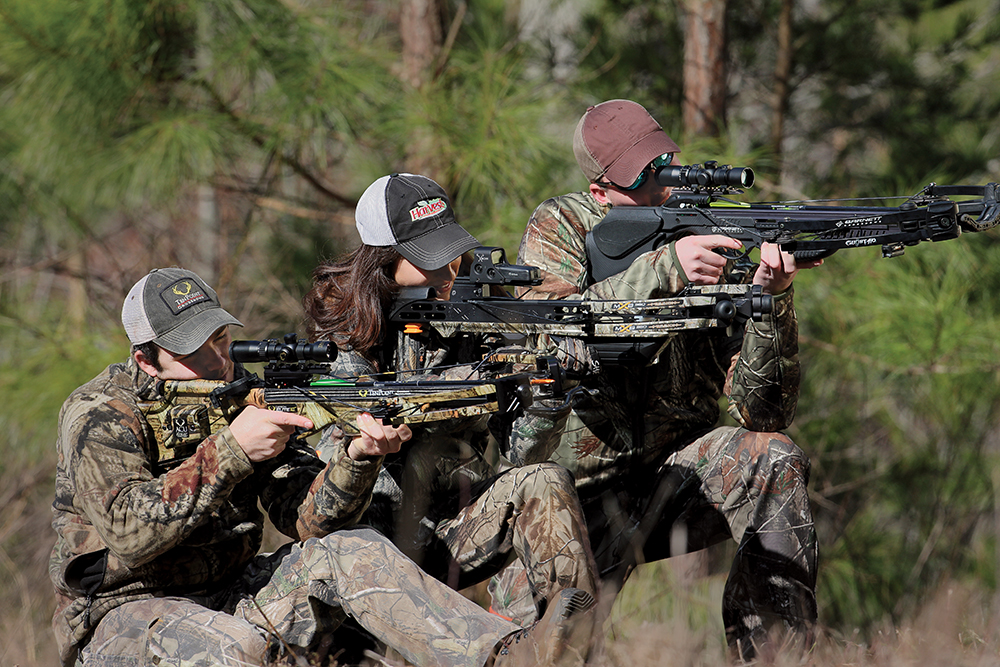
Skyrocketing interest in crossbow hunting has created tremendous demand from new crossbow hunters. Meanwhile, discriminating veterans are looking for features like sleeker, lighter, faster, more maneuverable and more powerful bows.

And believe it or not, there’s even a market for zombie crossbows and dangerous game. Whatever your preference, chances are there’s a perfect crossbow out there just for you.

As a result, crossbow manufacturers are increasingly challenged with providing an adequate supply of all of the above. Time will tell if they can make enough bows, but if this year’s selection is any indication, they certainly seem to be on track in terms of technology. Check out our roundup of the best crossbows below.


Tags: , , , , , ,

Hypothermia


freezing-cold

 hypothermia-wawang-lake

Follow our FISHING BLOG

WEBSITE    RATES     FISH    HUNT    CABINS    PHOTOS
TESTIMONIALS    BROCHURE    HUNT BOOKLET

Enter your email address to subscribe to this blog and receive notifications of new posts by email.

Go back

Your message has been sent

Warning
Warning
Warning
Email Me....

Warning

Warning.


Tags: , , , , , ,

Top Ten Fire Starters

campfire

fire-starter-wawang-lake

Follow our FISHING BLOG

WEBSITE    RATES     FISH    HUNT    CABINS    PHOTOS
TESTIMONIALS    BROCHURE    HUNT BOOKLET

Enter your email address to subscribe to this blog and receive notifications of new posts by email.

Go back

Your message has been sent

Warning
Warning
Warning
Email Me....

Warning

Warning.


Tags: , , , , , , , ,

Sharpen Your Bow Skill During the Off Season!

bow-hunting-wawang-lakeWe practice with our bows all summer long, but after opening day its easy to get wrapped up in the hunting and forget about practicing. But even if you’re spending your time in the field and can’t hit the archery range every day, you can still keep your edge. Shooting in hunting situations is obviously different from target shooting. In the real world, weather conditions, shot angles, brush and other obstacles can impact your shot. Also, when the time comes to take a shot during a hunting situation you’re usually either stiff and cold from sitting in a treestand or sucking wind from running up a hill. All this combined with the fact that you must make a clean shot with the first arrow makes it all the more important to keep your shooting skills sharp. Here are a couple tips.

Practice Drawing
One of the biggest challenges to making a “cold shot” is that often the muscles I use for properly drawing my bow are stiff. The simplest way to cure this is to periodically pick a target, draw your bow, aim, hold, and let down your draw. This keeps you loosened up, plus drawing and aiming without actually shooting helps you focus on the target.


Practice Shooting

Although just drawing and aiming will help a lot, the single biggest help is to actually shoot while out hunting. A common practice among traditional shooters is to carry one or two blunt pointed arrows in your quiver so that you can stump shoot in your down time. Stump shooting is fantastic for keeping you warmed up, but unlike just drawing, actually completing your shots will bring your release into play, as well as give you all sorts of angles and situations to practice.

Small game is even better than stumps (grouse and rabbits taste a lot better too). Grouse can be deceivingly tough to hit. You want to aim for the base of the neck or the head. Sometimes they flush at the shot, but grouse will go in the direction that their head is pointing, so if you use a snaro point, you can either take their head off or hit them in the body as they flush. The best thing about grouse is they often give you extremely challenging shots, and if you can become consistent at taking them, you will be ready for the big game (make sure to check your local regulations before taking any small game with a bow).

Follow our FISHING BLOG

WEB   RATES     FISH    HUNT    CABINS    PHOTOS
TESTIMONIALS    BROCHURE    HUNT BOOKLET

Enter your email address to subscribe to this blog and receive notifications of new posts by email.

Go back

Your message has been sent

Warning
Warning
Warning
Email Me....

Warning

Warning.


Tags: , , , , , , , , ,

Grin and Bear It: Planning your hunt

Planning a black bear hunt often a painstaking, long drawn out event that involves researching outfitters, contacting references, arranging for lodging and transportation, and choosing the proper weapon.

IMG_5703 (640x495)

Most people must apply for tags by lottery depending on location, but did you know that if you go through an outfitter in Ontario, Canada you are GUARANTEED a tag?!  With that in mind, let’s visit the outfitter planning phase.

NW Ontario is renowned for not only population but size of black bear.  In the last 3 years of our hunts, we have had 44 hunters.  Of those 44, 33 harvested 6 spotted and passed up and 5 did not spot  Pretty impressive stats.  We go a step further when we can boast that over 45% were 300lb+ with 8 being over the 400lb mark and our record (taken last year) was 475lb (dressed weight) and squared out at 7′

Whether you choose an outfitter (suggested for first timers) or set up your own hunt, be prepared to start planning at least as early as a year prior.  Do you have your area picked?  Do you know the native food sources? What was the weather pattern like this hunt season?  Were the bears active and what was the harvest from the season(s) prior to your arrival?

A good outfitter will have all of this information readily available as well as a list of references.  That list should include people that did and did not get their bears.  It should include multiple years and an honest overview. You need to know exactly what to expect when you arrive and during your hunt.

Patterning the animal by baiting is often preferred up here in the boreal forest as spot and stalk is very unlikely with our dense forest and thick canopy.  The bonus to baiting is the ability to cull the size and sex necessary to help maintain and manage the population.  Often times, in our area, those that spot and stalk often take the first animal they see as it may be the only one and most refuse to pass up the opportunity 😦

SAM_0025 (640x480)

Baiting and sitting a stand may seem like a ‘canned hunt’ but as most can attest to, it can be a grueling experience that will test your fortitude.  Most first time bear hunters assume (incorrectly) that if you feed them, they will come…..while that is often the truth, bears are as individual as people and even with food, there is no guarantee of compliance on the animal’s part….remember, you are dealing with a wild creature and trying in 14 days or less to train it to your will.  Those that have children or pets know that training anything can be a very difficult task but consistency is key!

When planning your hunt, ensure that you are prepared for the task at hand.  Don’t think that just because you showed up that the bear is going to get the memo.  Be prepared to sit that stand!  You cant harvest a bear from your cabin/tent/motel.

When you contact potential outfitters, ensure that they have answers to all of your questions and they are engaged with your plight.  They should be just as focused on you getting a bear as you are.  Your outfitter is your link to the area as well as in most cases in charge of ‘conditioning’ your bear prior to your arrival.  A good outfitter will be promoting consistency with baiting (by example of course).  We bait each and every day to ensure cycles and patterning is noted.

As mentioned earlier, bears are unpredictable to some extent and a bait that could have been hitting each time it was checked (hopefully daily) could quiet down for a day or two.  Be patient, if you trust your outfitter they will help you through this phase and often have backup plans including alternate baits that may be still consistent.  Ensure that your outfitter is the type that cares enough to keep up with you and your hunt and puts your success as a priority.

This slideshow requires JavaScript.

No hunt is guaranteed but what you can guarantee is that doing your homework can save you the disappointment of an unfulfilling hunt, bear or not!

Follow our FISHING BLOG

WEB   RATES     FISH    HUNT    CABINS    PHOTOS
TESTIMONIALS    BROCHURE    HUNT BOOKLET
Enter your email address to subscribe to this blog and receive notifications of new posts by email.

Go back

Your message has been sent

Warning
Warning
Warning
Email Me....

Warning

Warning.


Tags: , , , , , , , ,

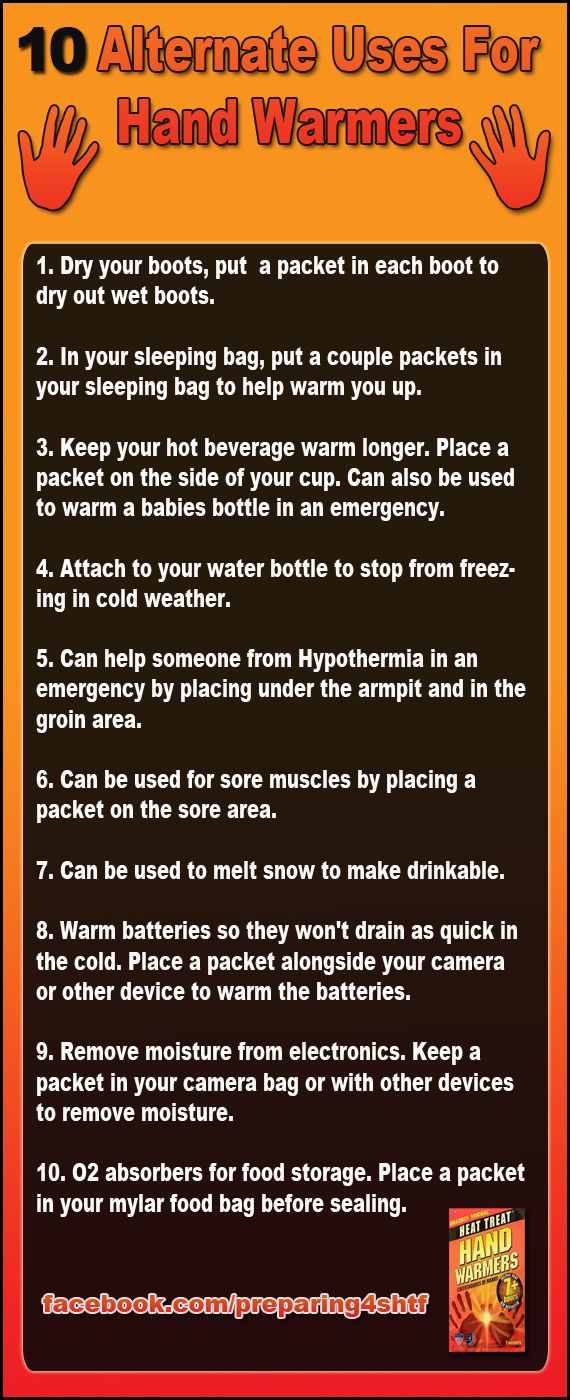
GREAT Hand Warmer Uses

hand-warmer-uses-wawang-lake

Follow our FISHING BLOG

WEBSITE    RATES     FISH    HUNT    CABINS    PHOTOS
TESTIMONIALS    BROCHURE    HUNT BOOKLET

Enter your email address to subscribe to this blog and receive notifications of new posts by email.

Go back

Your message has been sent

Warning
Warning
Warning
Email Me....

Warning

Warning.


Tags: , , , , , ,

Baking Soda to Cover Your Scent

Baking soda, the same stuff that deodorizes the fridge and is the key to scent-control system before a hunt.

CN7BBG empty box on white background

Take a soda shower.
The stuff can rub your skin raw if you use it straight, so mix a few tablespoons with some liquid no-scent soap.  Sometimes showering with straight unscented soap, can still leave an odor.

Make a soda-and-clothes lasagna style.
Use baking soda like any other powdered detergent to wash your clothes. Dry them, lay a few items in a plastic tote, sprinkle a layer of soda on that, put in another layer of clothing, sprinkle more soda, and so on until the tote is full. Then place an open box of baking soda in with the clothes and seal the tote up.

Sprinkle your boots.
Obviously, your feet are one of the smelliest body parts because they’re constantly sweating inside your boots,   If boots are wet with perspiration after a hunt, put them on a boot dryer and then sprinkle in some baking soda.  You’ll have very few animals cut your track after applying this tip.

WEBSITE    RATES     FISH    HUNT    CABINS    PHOTOS
TESTIMONIALS    BROCHURE    HUNT BOOKLET

Enter your email address to subscribe to this blog and receive notifications of new posts by email.

Go back

Your message has been sent

Warning
Warning
Warning
Email Me....

Warning

Warning.


Tags: , , , , , , , , ,

DIY: Survival Cook Stove out of a Tin Can

This is a how-to on how to make a survival cook stove instead of spending $25 to buy one online. It is a simple projecting that requires an old can, a pair of scissors, and a knife. Be careful and pay attention to his excellent instructions! Watch this video survival training tutorial and learn how to build a cook stove out of a tin can.

Follow our FISHING BLOG

WEB   RATES     FISH    HUNT    CABINS    PHOTOS
TESTIMONIALS    BROCHURE    HUNT BOOKLET

Enter your email address to subscribe to this blog and receive notifications of new posts by email.

Go back

Your message has been sent

Warning
Warning
Warning
Email Me....

Warning

Warning.


Tags: , , , , , ,

Baking Soda to Cover Your Scent

Baking soda, the same stuff that deodorizes the fridge and is the key to scent-control system before a hunt.

CN7BBG empty box on white background

Take a soda shower.
The stuff can rub your skin raw if you use it straight, so mix a few tablespoons with some liquid no-scent soap.  Sometimes showering with straight unscented soap, can still leave an odor.

Make a soda-and-clothes lasagna style.
Use baking soda like any other powdered detergent to wash your clothes. Dry them, lay a few items in a plastic tote, sprinkle a layer of soda on that, put in another layer of clothing, sprinkle more soda, and so on until the tote is full. Then place an open box of baking soda in with the clothes and seal the tote up.

Sprinkle your boots.
Obviously, your feet are one of the smelliest body parts because they’re constantly sweating inside your boots,   If boots are wet with perspiration after a hunt, put them on a boot dryer and then sprinkle in some baking soda.  You’ll have very few animals cut your track after applying this tip.

WEBSITE    RATES     FISH    HUNT    CABINS    PHOTOS
TESTIMONIALS    BROCHURE    HUNT BOOKLET

Enter your email address to subscribe to this blog and receive notifications of new posts by email.

Go back

Your message has been sent

Warning
Warning
Warning
Email Me....

Warning

Warning.


Tags: , , , , , , , , ,

Tree Stand Safety

tree_stand_tips_wawanglakeAlways be cautious using a tree stand.   As hunters begin to set up tree stands as part of their preparation, safety is still rule number one whether you are scouting a location, trimming shooting lanes and putting up your tree stand, even on a trial basis, use the same precautions you would during hunting season.

Use a lineman-style belt in addition to a full-body harness when first putting a tree stand in place.  This minimizes the chance of falls and potential injury,  and,  always select a healthy, straight tree for placement.

Other recommendations:
Never carry anything as you climb — use a haul line to raise and lower equipment.

  • Maintain three points of contact when climbing.
  • Follow manufacturer instructions.
  • Don’t exceed manufacturer’s maximum height settings.
  • Have an emergency signal device with you.
  • Tell someone where you plan to go.

As with any piece of equipment, tree stands need inspection before use.

Replace:

  • Rusted bolts
  • Frayed straps or, if needed, buy a new tree stand.

Leaving a tree stand up from one season to the next has some inherent problems that outweigh any convenience. When a tree stand is exposed to the elements due to long-term placement, it may have damaged straps, ropes and attachment cords — any of which may potentially lead to breakage and failure.


WEBSITE    RATES     FISH    HUNT    CABINS    PHOTOS
TESTIMONIALS    BROCHURE    HUNT BOOKLET

Enter your email address to subscribe to this blog and receive notifications of new posts by email.

Go back

Your message has been sent

Warning
Warning
Warning
Email Me....

Warning

Warning.


Tags: , , , , , ,