RSS

Category Archives: archery

Muscle Exercises for Archery

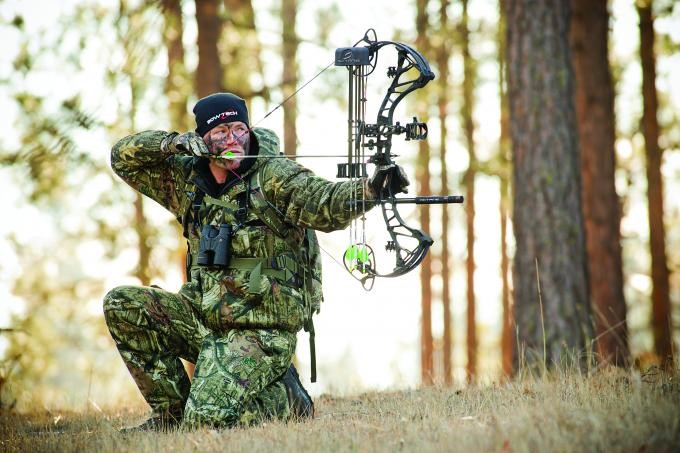
Archery is a sport that involves the use of a bow and arrow, This sport is hundreds of years old and is even featured in the Olympics. The actions in archery utilize several main muscle groups in the body, including the triceps, which sit at the back of your upper arm, the deltoid muscles in your shoulders and the latissimus dorsi muscles in the lower back. To improve your archery skills, include exercises that target these muscles in your workout.

archery123

Raise One Arm to Boost Arm Strength

Dumbbell one-arm lateral raises strengthen the deltoid muscles, which are used to provide strength and power for holding and pulling back the bow in archery. Stand straight with your feet shoulder-width apart, your right hand holding onto a stationary object on your right and your left hand holding a dumbbell straight down so it’s resting in front of your pelvis. Slowly raise your left arm up to the side, continuing until your elbow is at shoulder-level. Lower it back down, repeat and then switch arms.

Row, Row, Row Your Muscles

Spending time on the rowing machine is well worth it if you want to improve muscles for archery, because it works all of the primary muscles used in the sport including the deltoids, latissimus dorsi and triceps. Sit on the seat with your feet strapped in securely. Keep your back straight and hold onto the handle. Slowly push off with your feet, sliding back until your legs are almost fully extended. Return to your starting position and repeat.


resistancebandsexercises

Go Overhead for Strong Triceps

The overhead triceps extension is one of the most effective exercises for the triceps muscles. Stand straight up with your feet close together, one slightly in front of the other and both flat on the floor. Extend your arms fully above your head, grasping the top of a dumbbell with both hands. While keeping your upper arms beside your head, slowly flex your arms, lowering your forearms behind you toward your back until you feel a light stretch in your triceps. Raise your arms back up above you to complete one rep. Repeat.

Get Big Results with the Barbell Pullover

The barbell pullover exercise targets the latissimus dorsi muscle in the back, but it also works the triceps and deltoids, making it an integral muscle exercise for archery. Lie your upper back perpendicular on a flat weight bench, your legs bent in front of you on a right angle with your feet flat on the floor. Grasp a barbell, position your arms so they’re extended straight above you and keep your hands aligned with your shoulders. While keeping your arms straight during the movement, move your arms back in a slow, controlled motion, until the barbell is directly behind your head. Then, return to your starting position. Repeat.

Why You Need the Lat Pulldown in Your Life

The latissimus dorsi is the largest muscle of the back and is one of the main muscles in the body used in archery, primarily during the drawing motion of the bow. Lat pulldown exercises are most effective for targeting this muscle, so try the cable close-grip pulldown. On the seat of a lat pulldown machine, place your feet flat on the floor below you and position your hands above you while grasping onto the parallel cable attachment. Engage your core, pull down on the cable attachment and then return it until your arms are fully extended. Repeat.
bow1

Weights, Reps and Sets

Even with all the right exercises, if you’re not using the right amount of weight or completing the proper number of sets and reps, you’re not going to get the results you’re hoping for. Start off with a weight you can manage, and only increase the amount of weight you’re using when you can complete a full set of 12 reps while maintaining proper form the entire time. Gradually work up to completing three sets of 12 reps.

Follow our FISHING BLOG

WEB   RATES     FISH    HUNT    CABINS    PHOTOS
TESTIMONIALS    BROCHURE    HUNT BOOKLET

Enter your email address to subscribe to this blog and receive notifications of new posts by email.

← Back

Thank you for your response. ✨

Email Me....


Tags: , , ,

How to Size a Black Bear

……… WHEN SIZING UP A BEAR

WawangLakeBear
A big bear swaggers and walks with attitude. He doesn’t jump at every sound like a small bear will.  A big bear doesn’t have to; he believes he’s got nothing to fear. Once you’ve spotted your bear on the bait site, it’s time to get serious about analyzing how that bear is behaving.

It is important to note that long before you judge the size of the bear, you must judge the sex of that bear and here are some things to take into consideration:

A big, old sow will have all, or more correctly, almost all of the physical characteristics of a big, old boar. She’ll have the nasty looking face that’s seen one too many years in the ring, the potbelly and the sway back.

Watch to see if the bear stands on his hind legs and rubs his back on a tree, that’s a boar.  If it walks along and straddles small trees, wiping its scent on that tree, it’s a boar.  If it stands up and breaks saplings over its shoulder, it’s a boar.  If it encounters another bear and gives chase, it’s a boar and if it is following a smaller bear, it’s a boar.

SCALE:  There is one last general appearance tip to judging black bear that makes the top three in importance, and that is scale.   A big bear looks big . . . but so does a closer, smaller bear.   Here’s a help tip on how to gauge more accurately.  If the bear is 150 yards away but the hunter thinks the bear is 200 yards away, the hunter will overestimate the bear’s relative size by somewhere near 25 percent.   In other words, the hunter is in for a serious case of ground shrink when he walks up to his bear.  TIP:  Let the bear get as close to you as possible and preferably on the bait itself.   The closer the bear, the less chance there is of misjudging the distance to relative size.

SPECIFIC TIPS FOR JUDGING BLACK BEARS: If the bear fails any one of the above general conditions, then it’s advisable to pass up on it or let the bear walk. It’s tough and you could be wrong, but at least there isn’t a dead small bear lying on the ground.   Call it a personal aversion to guilt.

BODY SHAPE:    Bigger bear are older bears, and like most of us, they don’t have the svelte bodies they once did. They tend to look “heavy” and out of shape. Remember, they monopolize the best feed and habitat, and therefore exert less energy to live.

HEAD SHAPE:   A big bear (boar) will have a deeper, wider and longer snout than a smaller bear or a female. His ears will appear to be wide apart and small. If he is aware of you and looking your way, his ears won’t stand up on top of his head like a dog’s ears, they’ll seem to be aimed out to the side of his head. A big bear will have well developed “bulging” muscles on the top of his head.


WawangBear2

LEGS:   A big bear will have massively developed front shoulders. His shoulders will look big and burly. A sow’s wrist will pinch in directly above the foot. Not so with a boar. The lower forearm, wrist and the foot on a big boar are all the same width. A big bear often appears to have shorter legs because the body is so much thicker, but keep in mind that the best-scoring bears for the records book are often the lankier looking, longer-bodied bears.

There are bear that have meatier heads; bear that look great and are great trophies, but that don’t score well.  There are others that have short skulls, block- headed beasts that look impressive, but that don’t score well at all and there are lanky, skinny bears with donkey faces that score like the devil, but that a hunter seriously looking for  a  records book bear wouldn’t walk across the street for. Black bear morphology is just too darn diversified to make a science out of judging.

The best way to hunt for a record boar is to simply shoot the bear that looks good to you and that hopefully  you’ll  appreciate all the time and effort you put in for the hunt.  If it’s got a nice hide, be happy with your animal. If it has long claws and weighs a ton, good for you and congratulations. If it isn’t as big as  you’d like, don’t fret, you’re not alone and the rug on your wall will still look great. If it happens to be one of those rare few bears that has grown a skull that qualifies for the record books, thank your guide for the good fortune that made that bear come to the bait site.

To easily judge, remember:

  • Check out the ear size in relation to the head
  • Mickey Mouse ears means a small bear.
  • Watch to see if the belly is low to the ground
  • Legs that appear short means big bear.

Watch the bear’s behavior around the bait – small bears will be skittish and afraid of a larger bruin in the area.

Look for a log around the bait and use it as a reference, check to see the length and height of the log before climbing into your stand. When the bear enters the bait site use the size of the log to help determine the overall size of the bear.

SKULL MEASURING

WawangSkull

Hope this information helps develop your judging skill on your next hunt, and,  good luck out in the field.

For further information, or, to book your next bear hunt please contact us at:
1-888-534-9217 or EMAIL

 WEBSITE    RATES     FISH    HUNT    CABINS    PHOTOS
TESTIMONIALS    BROCHURE    HUNT BOOKLET

Enter your email address to subscribe to this blog and receive notifications of new posts by email.

← Back

Thank you for your response. ✨

Email Me....


Tags: , , , , , , , , , ,

How to Size a Black Bear

……… WHEN SIZING UP A BEAR

WawangLakeBear
A big bear swaggers and walks with attitude. He doesn’t jump at every sound like a small bear will.  A big bear doesn’t have to; he believes he’s got nothing to fear. Once you’ve spotted your bear on the bait site, it’s time to get serious about analyzing how that bear is behaving.

It is important to note that long before you judge the size of the bear, you must judge the sex of that bear and here are some things to take into consideration:

A big, old sow will have all, or more correctly, almost all of the physical characteristics of a big, old boar. She’ll have the nasty looking face that’s seen one too many years in the ring, the potbelly and the sway back.

Watch to see if the bear stands on his hind legs and rubs his back on a tree, that’s a boar.  If it walks along and straddles small trees, wiping its scent on that tree, it’s a boar.  If it stands up and breaks saplings over its shoulder, it’s a boar.  If it encounters another bear and gives chase, it’s a boar and if it is following a smaller bear, it’s a boar.

SCALE:  There is one last general appearance tip to judging black bear that makes the top three in importance, and that is scale.   A big bear looks big . . . but so does a closer, smaller bear.   Here’s a help tip on how to gauge more accurately.  If the bear is 150 yards away but the hunter thinks the bear is 200 yards away, the hunter will overestimate the bear’s relative size by somewhere near 25 percent.   In other words, the hunter is in for a serious case of ground shrink when he walks up to his bear.  TIP:  Let the bear get as close to you as possible and preferably on the bait itself.   The closer the bear, the less chance there is of misjudging the distance to relative size.

SPECIFIC TIPS FOR JUDGING BLACK BEARS: If the bear fails any one of the above general conditions, then it’s advisable to pass up on it or let the bear walk. It’s tough and you could be wrong, but at least there isn’t a dead small bear lying on the ground.   Call it a personal aversion to guilt.

BODY SHAPE:    Bigger bear are older bears, and like most of us, they don’t have the svelte bodies they once did. They tend to look “heavy” and out of shape. Remember, they monopolize the best feed and habitat, and therefore exert less energy to live.

HEAD SHAPE:   A big bear (boar) will have a deeper, wider and longer snout than a smaller bear or a female. His ears will appear to be wide apart and small. If he is aware of you and looking your way, his ears won’t stand up on top of his head like a dog’s ears, they’ll seem to be aimed out to the side of his head. A big bear will have well developed “bulging” muscles on the top of his head.


WawangBear2

LEGS:   A big bear will have massively developed front shoulders. His shoulders will look big and burly. A sow’s wrist will pinch in directly above the foot. Not so with a boar. The lower forearm, wrist and the foot on a big boar are all the same width. A big bear often appears to have shorter legs because the body is so much thicker, but keep in mind that the best-scoring bears for the records book are often the lankier looking, longer-bodied bears.

There are bear that have meatier heads; bear that look great and are great trophies, but that don’t score well.  There are others that have short skulls, block- headed beasts that look impressive, but that don’t score well at all and there are lanky, skinny bears with donkey faces that score like the devil, but that a hunter seriously looking for  a  records book bear wouldn’t walk across the street for. Black bear morphology is just too darn diversified to make a science out of judging.

The best way to hunt for a record boar is to simply shoot the bear that looks good to you and that hopefully  you’ll  appreciate all the time and effort you put in for the hunt.  If it’s got a nice hide, be happy with your animal. If it has long claws and weighs a ton, good for you and congratulations. If it isn’t as big as  you’d like, don’t fret, you’re not alone and the rug on your wall will still look great. If it happens to be one of those rare few bears that has grown a skull that qualifies for the record books, thank your guide for the good fortune that made that bear come to the bait site.

To easily judge, remember:

  • Check out the ear size in relation to the head
  • Mickey Mouse ears means a small bear.
  • Watch to see if the belly is low to the ground
  • Legs that appear short means big bear.

Watch the bear’s behavior around the bait – small bears will be skittish and afraid of a larger bruin in the area.

Look for a log around the bait and use it as a reference, check to see the length and height of the log before climbing into your stand. When the bear enters the bait site use the size of the log to help determine the overall size of the bear.

SKULL MEASURING

WawangSkull

Hope this information helps develop your judging skill on your next hunt, and,  good luck out in the field.

For further information, or, to book your next bear hunt please contact us at:
1-888-534-9217 or EMAIL

 WEBSITE    RATES     FISH    HUNT    CABINS    PHOTOS
TESTIMONIALS    BROCHURE    HUNT BOOKLET

Enter your email address to subscribe to this blog and receive notifications of new posts by email.

← Back

Thank you for your response. ✨

Email Me....


Tags: , , , , , , , , , ,

Pay Attention to Detail

Scent can be your biggest ally or your worst enemy

wawanglakebear
Black Bear are attracted to the aroma of a free meal, but if they catch a whiff of you, you can often kiss them good-bye for a day or two.   Keep your clothing and footwear as scent-free as possible. Be alert at all times while hunting your bait. You will most often see bear before you hear them. With padded feet they move with calculated precision. Remember, when they come into a bait station they know the treats were left by humans.

Shot Placement

Regardless of your choice of weapon, whether it is a gun or bow, learning when and where to shoot can mean the difference between an expedited kill, or, the outcome of tracking a wounded animal. We advise our hunters to wait until the bear is preoccupied with the bait and is facing away while standing broadside or quartering away. Bears are extremely tough, so a double lung or heart shot are always your best option therefore taking your time will be important.

wawangshotplacement

When archery hunting, bows must meet the following specifications.

Crossbows: Draw length must be at least (11.8 in.);

  • Draw weight must be at least (119 lbs.);
  • Bolt head must be at least (0.9 in.) at the widest point; and,
  • there must be at least two cutting edges of straight, sharp, un-serrated, barbless steel.

Re-curve Bow:    Draw weight must be at least (48.5 lbs.) at draw length of (27.6 in.) or less;

  • Arrow length must be at least (23.6 in.);
  • Broad head must be at least (0.9 in. at the widest point; and,
  • There must be at least two cutting edges of straight, sharp, un-serrated, barbless steel.

For bow hunting Black Bear we recommend a compound bow with a draw weight of no less than 50 pounds and a 100 grain broad head

Recommended Knowledge base
www.mnr.gov.on.ca/en/Business/FW/Publications/MNR E001275P.html

For rifle hunting black bear we recommend using nothing less than a .270 caliber.
Other recommended calibers: 7mm magnum; .308; .30-06.  NO 30-30’s

Firearm Information www.rcmp-grc.gc.ca/cfp-pcaf/index.htm

The bottom line – baiting is a proven strategy for attracting a wary game animal with a voracious appetite. It involves much more than just tossing out a few tasty morsels. There is a right way and a wrong way to do it and our experienced guides take pride in their skills and knowledge. Keen attention to detail and listening to the guide is the key to your success.

In order to ensure the highest possible success to our hunters we take only an average 14 hunters a year. Should we have an increase in bear sighting throughout the spring and summer we may take a few more hunters but our first obligation is to ascertain a healthy black bear population together with satisfied hunters for years to come.

Most importantly, remember baiting is a ton of work and takes weeks on our part for each hunter. From collecting legal paper work to buying and picking up the ingredients, materials along with travelling for miles and then finally establishing and maintaining each site daily prior to your hunt. It requires foresight and commitment on our part and we do this because of our passion for the outdoors and careful management of our Black Bear.

Follow our FISHING BLOG

WEBSITE    RATES     FISH    HUNT    CABINS    PHOTOS
TESTIMONIALS    BROCHURE    HUNT BOOKLET

Enter your email address to subscribe to this blog and receive notifications of new posts by email.

← Back

Thank you for your response. ✨

Email Me....


Tags: , , , , , , , , ,

STAY CALM

If you’ve had any trouble in the past “keeping it together” when shooting at game,
right now is the time to find a cure.

bow-hunting-wawang-lake

Countless of hunters who practice shooting regularly, months before the season opens, and they still have trouble closing the deal when Mr. Big shows himself. Getting excited is fine — excitement is a big part of why we hunt — but there is a big difference between getting excited and falling apart. We owe it to ourselves to perform under pressure. Even more, we owe it to the game we hunt to stay calm enough to make good shots and clean kills.

Below are six steps that have helped hunters stay cool at the moment of truth.

  1. Practice, Practice, Practice Nearly all bow hunters practice their shooting, but many fail to practice properly. To many average bow hunters, practice means flinging 20 to 30 arrows once or twice a week. This is not considered practice. When preparing for a hunt, practice every possible shot sequence, just as if you were actually hunting. That means shoot a 3D target from every possible angle while wearing camouflage, and shoot from any position that might become a possibility during the hunt. You want to be prepared for all contingencies.

Also practice at distances considerably farther than you will shoot on animals. A typical whitetail shot is closer than 30 yards, but practice regularly to shoot out to 80 and even 100 yards. That kind of practice will leave you very confident for any shots closer than 40 yards.

Lack of confidence is the biggest reason some people get shaken at the shot. They just keep thinking they may not make that shot. There are two things to offer those who lack confidence. One, restrict shots to your comfortable shooting range. Two, practice enough different scenarios that when an animal steps into your shooting lane, you’ll have no doubts about making the shot because you’ve already done it dozens of times in practice.

  1. Run & Shoot Now that sounds kind of dangerous, but it’s not meant in a literal sense.  During practice sessions, sprint anywhere from 60 to 100 yards, then pick up your bow and try to put a kill shot on a 3D target. This simulates the adrenaline rush you get when shooting at game. Some people may think it sounds crazy, but, it builds confidence like no other drill. You don’t have to do this every time you practice, but do it often enough to build confidence in your ability to shoot accurately when your heart is racing — whether from running or from watching a buck walk within range.
  2. Flex Those Muscles! When you see a big buck coming down the trail and your heart rate skyrockets, tense every muscle in your body while holding your breath. Then, after five or six seconds, let your muscles relax, and exhale. Do this several times as needed.

This is especially helpful during frigid hunts, when your muscles are stiff and your circulation is poor. It helps improve blood flow, regulate body temperature, settle your heart rate, and relax your muscles, all of which will calm you down to make a good shot. This muscle-tensing tactic has will help keep your cool on numerous animals.

  1. Focus On The Sweet Spot Once you decide to shoot an animal, you have no need to look anywhere other than the hair, scale, or feather you want to hit. Keying in on that certain spot keeps you calm and focused.   Some people miss when they focus on the headgear because they are looking with their mind’s eye at a beautiful shoulder mount gracing the wall above the fireplace. Don’t worry about the headgear while the critter is alive. You will have years to stare at it — if you focus on the vitals before and during the shot.

bow-hunting-wawang-lake (5)

You tend to aim where you are looking. Look at those wide antlers coming your way, and you might put an arrow right through the center of them. Instead, concentrate on the vitals, and that’s where you’ll put your arrow.

  1. Close Your Eyes This isn’t always an option, but when it is, it works. The longer some people look at an animal they want to shoot, the more stage fright they develop. If that’s you, closing your eyes or looking up at the sky will allow you to clear your mind and reorganize your thoughts.

Some people can perform on a moment’s notice, but, others prefer to have some time to evaluate the situation and to analyze every move before actually making it.   If too much time transpires and the nerves start taking over, close your eyes to regain focus before the animal gets within bow range.

  1. The Inner Voices Although you might not have demons and angels on your shoulders taunting you one way or the other, you certainly have inner voices that control your mind when you’re face to face with your prey. Listen to the positive voices and let them build you up.   Feeding your mind with positive thoughts will weed out the negative ones that flow through the minds of so many bow hunters. Doubt is where many archers fail at crunch-time. To eliminate doubt, talk to yourself — positively.

bow-hunting-wawang-lake (2)

WEBSITE    RATES     FISH    HUNT    CABINS    PHOTOS
TESTIMONIALS    BROCHURE    HUNT BOOKLET

Enter your email address to subscribe to this blog and receive notifications of new posts by email.

← Back

Thank you for your response. ✨

Email Me....


Tags: , , , , , , , , ,

Sharpen your bow skill during the off season!


bow1

We practice with our bows all summer long, but after opening day its easy to get wrapped up in the hunting and forget about practicing. But even if you’re spending your time in the field and can’t hit the archery range every day, you can still keep your edge. Shooting in hunting situations is obviously different from target shooting. In the real world, weather conditions, shot angles, brush and other obstacles can impact your shot. Also, when the time comes to take a shot during a hunting situation you’re usually either stiff and cold from sitting in a treestand or sucking wind from running up a hill. All this combined with the fact that you must make a clean shot with the first arrow makes it all the more important to keep your shooting skills sharp. Here are a couple tips.

Practice Drawing
One of the biggest challenges to making a “cold shot” is that often the muscles I use for properly drawing my bow are stiff. The simplest way to cure this is to periodically pick a target, draw your bow, aim, hold, and let down your draw. This keeps you loosened up, plus drawing and aiming without actually shooting helps you focus on the target.


Practice Shooting

Although just drawing and aiming will help a lot, the single biggest help is to actually shoot while out hunting. A common practice among traditional shooters is to carry one or two blunt pointed arrows in your quiver so that you can stump shoot in your down time. Stump shooting is fantastic for keeping you warmed up, but unlike just drawing, actually completing your shots will bring your release into play, as well as give you all sorts of angles and situations to practice.

Small game is even better than stumps (grouse and rabbits taste a lot better too). Grouse can be deceivingly tough to hit. You want to aim for the base of the neck or the head. Sometimes they flush at the shot, but grouse will go in the direction that their head is pointing, so if you use a snaro point, you can either take their head off or hit them in the body as they flush. The best thing about grouse is they often give you extremely challenging shots, and if you can become consistent at taking them, you will be ready for the big game (make sure to check your local regulations before taking any small game with a bow).


Follow our FISHING BLOG

WEB   RATES     FISH    HUNT    CABINS    PHOTOS
TESTIMONIALS    BROCHURE    HUNT BOOKLET

Enter your email address to subscribe to this blog and receive notifications of new posts by email.

← Back

Thank you for your response. ✨

Email Me....


Tags: , , , , , , , , ,

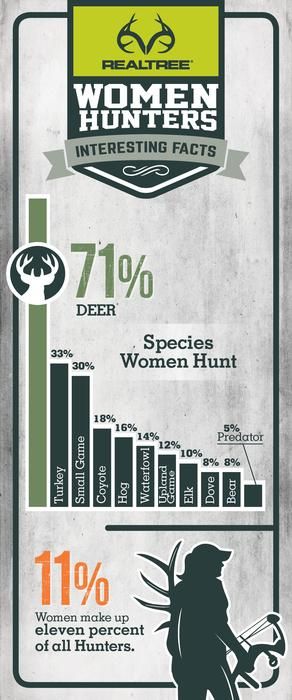
Women Hunters – Interesting Facts

wawang-lake

Follow our FISHING BLOG

 WEBSITE    RATES     FISH    HUNT    CABINS    PHOTOS
TESTIMONIALS    BROCHURE    HUNT BOOKLET

Enter your email address to subscribe to this blog and receive notifications of new posts by email.

← Back

Thank you for your response. ✨

Email Me....

 
Leave a comment

Posted by on June 16, 2016 in archery, Wawang Lake Resort


Tags: , , , , , , , ,

The Dangers of Dry Firing Your Bow

Dry-firing your bow is something you will want to avoid at all costs. To help minimize your chances of dry-firing a bow you should always draw a bow with an arrow in it, and aim it at a target. This way if you do accidentally release the string there is an arrow in it and you have a target to stop the arrow. Also if you are just trying out a bow be sure to draw with an anti-dry-fire release. When in a group of people it is very easy to become side tracked and forget to load your bow with an arrow. It’s always good to double check before you draw your bow


bowtarget

Dry firing a bow is the act of shooting a bow without an arrow. While this may seem harmless to some of us who are just starting out I assure you that this can be one of the most costly mistakes you can make.

The fact of the matter is that it can happen to anyone beginner or expert for many different reasons. Whether it be from ignorance, distractions, or accidental misfire of a release it happens all the time. So the question is what do you do if you accidentally dry-fire your bow.

There are a few outcomes that could happen when a bow is dry-fired, the first is that is that it will appear that nothing has happened to any of your bow. The second scenario is that your string breaks however everything else stays intact. The third possibility is your bowstring, and cables could snap resulting in your limbs breaking and potential debris flying all over the place. This is basically the worst case scenario and can at times be irreparable.

No matter what scenario your bow falls into after being dry-fired, the first thing you will need to do is to get a magnifying glass and a bright light and look over the limbs especially near the cams for any cracking, or splintering. If you find that one of both limbs have cracks or splinters in them then you will have to replace the limbs before you are able to shoot again. Failing to do so will likely cause will render the bow unusable and/or injury.

bowillustration

In any of the other cases where the string breaks and/or the bow limbs shatter, you will first go get medical attention if you need it and then you will need to bring your bow in to a bow repair shop and you will have to replace the limbs,string, and any other broken parts(axles,cams,wheels etc.).

After checking for cracks and splinters in the limbs, take a look at the cams/wheels to make sure that they have not been bent or cracked, again if they are you will need to replace them as soon as possible before you are able to shoot. Next if you were lucky enough to have your string still intact, you will need to check the whole thing for badly frayed portions, cut strands, and badly damaged areas, especially near the axles.
If everything checks out and you were unable to find anything wrong with your bow then you are lucky, and you have 2 options, your first option is to draw the bow(with an arrow) and shoot it. Make note of any weird noises, or vibrations. If you aren’t the risky type then you can bring it into a bow repair shop and they will have the tools and resources to be able to better inspect it for damages.

In closing, dry firing a bow may seem innocent, but in turn can be detrimental and even dangerous. Take your time to ensure longevity of your equipment for years to come and better success rates!

Follow our FISHING BLOG

WEB   RATES     FISH    HUNT    CABINS    PHOTOS
TESTIMONIALS    BROCHURE    HUNT BOOKLET

Enter your email address to subscribe to this blog and receive notifications of new posts by email.

← Back

Thank you for your response. ✨

Email Me....

 
Leave a comment

Posted by on June 6, 2016 in archery, bow, Wawang Lake Resort


Tags: , , , , , ,

Muscle Exercises for Archery

Archery is a sport that involves the use of a bow and arrow, This sport is hundreds of years old and is even featured in the Olympics. The actions in archery utilize several main muscle groups in the body, including the triceps, which sit at the back of your upper arm, the deltoid muscles in your shoulders and the latissimus dorsi muscles in the lower back. To improve your archery skills, include exercises that target these muscles in your workout.

archery123

Raise One Arm to Boost Arm Strength

Dumbbell one-arm lateral raises strengthen the deltoid muscles, which are used to provide strength and power for holding and pulling back the bow in archery. Stand straight with your feet shoulder-width apart, your right hand holding onto a stationary object on your right and your left hand holding a dumbbell straight down so it’s resting in front of your pelvis. Slowly raise your left arm up to the side, continuing until your elbow is at shoulder-level. Lower it back down, repeat and then switch arms.

Row, Row, Row Your Muscles

Spending time on the rowing machine is well worth it if you want to improve muscles for archery, because it works all of the primary muscles used in the sport including the deltoids, latissimus dorsi and triceps. Sit on the seat with your feet strapped in securely. Keep your back straight and hold onto the handle. Slowly push off with your feet, sliding back until your legs are almost fully extended. Return to your starting position and repeat.


resistancebandsexercises

Go Overhead for Strong Triceps

The overhead triceps extension is one of the most effective exercises for the triceps muscles. Stand straight up with your feet close together, one slightly in front of the other and both flat on the floor. Extend your arms fully above your head, grasping the top of a dumbbell with both hands. While keeping your upper arms beside your head, slowly flex your arms, lowering your forearms behind you toward your back until you feel a light stretch in your triceps. Raise your arms back up above you to complete one rep. Repeat.

Get Big Results with the Barbell Pullover

The barbell pullover exercise targets the latissimus dorsi muscle in the back, but it also works the triceps and deltoids, making it an integral muscle exercise for archery. Lie your upper back perpendicular on a flat weight bench, your legs bent in front of you on a right angle with your feet flat on the floor. Grasp a barbell, position your arms so they’re extended straight above you and keep your hands aligned with your shoulders. While keeping your arms straight during the movement, move your arms back in a slow, controlled motion, until the barbell is directly behind your head. Then, return to your starting position. Repeat.

Why You Need the Lat Pulldown in Your Life

The latissimus dorsi is the largest muscle of the back and is one of the main muscles in the body used in archery, primarily during the drawing motion of the bow. Lat pulldown exercises are most effective for targeting this muscle, so try the cable close-grip pulldown. On the seat of a lat pulldown machine, place your feet flat on the floor below you and position your hands above you while grasping onto the parallel cable attachment. Engage your core, pull down on the cable attachment and then return it until your arms are fully extended. Repeat.

bow1

Weights, Reps and Sets

Even with all the right exercises, if you’re not using the right amount of weight or completing the proper number of sets and reps, you’re not going to get the results you’re hoping for. Start off with a weight you can manage, and only increase the amount of weight you’re using when you can complete a full set of 12 reps while maintaining proper form the entire time. Gradually work up to completing three sets of 12 reps.

Follow our FISHING BLOG

WEB   RATES     FISH    HUNT    CABINS    PHOTOS
TESTIMONIALS    BROCHURE    HUNT BOOKLET

Enter your email address to subscribe to this blog and receive notifications of new posts by email.

← Back

Thank you for your response. ✨

Email Me....


Tags: , , ,

Quick tips for hunter safety

While reading some great hunting articles last night, I came across a very overlooked topic.  This is an article written by Tyrrell Hearn and is a great quick snippet on basic hunter safety tricks!

climbing treestand

Over the years we have all heard of hunting accidents and how bad they can be. Hunting safety should be paramount in the mind on any hunter, especially those using high-powered rifles. It goes without saying that guns are designed to take life quickly and effectively, making it imperative that you treat them as such. If you are a hunter, here are a couple tips to keep you safe this season.

IMG_5703 (640x495)

Blind placement– Keep in mind that there are people around you who may also be hunting in the mornings and evenings. Be mindful of other known hunting groups in your area. Having a chat with them about the direction of their firing lanes so everyone is up to date on their neighbor’s new hunting spots is a great way to stay safe.

Less powerful bullets– It is always a draw to buy the highest grain bullet for your guns, however, higher grain equals a faster and longer bullet trajectory. Pick something a little smaller but effective for the game you are targeting.

Aviary Photo_130254763368957516

Hollow points– Buy hollow point bullets. Full Metal Jacketed bullets are not legal to hunt with in most areas anyway. Hollow or soft tipped bullets will break up even if they are only hitting brush and small trees. Lessening your chance of a bullet traveling way past your target.

P1040004

Safety orange– Wear your safety gear so that even at a distance, the most novice of hunter will not mistake you for an animal.

Stay safe, think ahead, and have a great hunting season!

Follow our FISHING BLOG

WEB   RATES     FISH    HUNT    CABINS    PHOTOS
TESTIMONIALS    BROCHURE    HUNT BOOKLET

Enter your email address to subscribe to this blog and receive notifications of new posts by email.

← Back

Thank you for your response. ✨

Email Me....


Tags: , , , , , , , , ,