RSS

Tag Archives: hunting

Grouse Hunting at Wawang Lake

Join us in NW Ontario CANADA for some exciting and thrilling grouse hunting

P1130017
Grouse Season:  September 15th to Oct 31st

Grouse hunting is a relaxing pastime that is getting more and more popular every year.  In our area bird hunting can be an adventure in itself!  Driving down the back roads & trails in your truck or on your ATV can not only be thrilling but breathtaking as well as you wander down roads that are in full color deserving of natures fall foliage. Just taking in these magnificent fall colors, peaceful wilderness & the wildlife that you’ll encounter will make you feel like you are definitely “North of the Tension Zone”.

The bush trails with the rise of the birds, singing of the guns, the smell of the pines along with friendly comraderie back at the camp will not long be forgotten.

Surrounding Wawang Lake are hundreds of miles of ATV trails, old logging road, game animal trails and hiking trails. The bush is just stuffed with these upland game birds and on a sunny fall afternoon you will see hoards of them. Many of our guests choose a fishing / grouse hunting combination package and spend half the their time taking advantage of the awesome northern pike and walleye fishing and spend the rest of their time enjoying the clean fall area and exploring the many trails where birds are plentiful.

There are three species of grouse found in Ontario.

Ruffed Grouse  –  Spruce Grouse  –  Sharptail Grouse

Ruffed Grouse is the most common and comprises of 80% of what you will encounter during your hunt.

The limit for grouse in Ontario is 5 birds per day in any combination of species with a total of 15 in your possession and you will be surprised at the number of grouse we do have and how fast you’ll bag those limits.

Compared to other areas the grouse cycle in our area has remained consistently high over the years and we credit this because of less human population that other places are known for.  In a nutshell what you’ll experience at Wawang Lake is a vast area of complete privacy during your hunt.

The most popular guns for grouse hunting are .410 or 20 gauge shot gun and some hunters use a 12 as well.   Quickly becoming more popular is BOW HUNTING for birds.  To increase the thrill and excitement of your hunt give your bow a try and the challenge alone is sure to thrill you.

 Grouse-Fishing Combo Package

September 15th through to October 31st

 USD 495.00  per hunter
CABIN – BOAT & MOTOR
For a (6) night stay

Housekeeping Cabin Suitable For Group Size

Blaze orange hat & vest is required and must be worn out in the field

Canadian Firearms Regulations
All Firearms (does NOT include bows) being brought into Canada must be registered at the Canadian Customs at the time of entry into Canada. A one-year permit costs $50.00 Canadian, or there is a long term permit as well. If you would like further information, you can visit the Canadian Firearms Website through the link on our website or call toll free, 1-800-731-4000.

Canadian Customs
You should be aware of special customs and immigration issues whenever traveling to another country. For people with prior legal issues (including DWI’s) you need to find out what restrictions may be placed on your travel. Visit the Border Crossing Link and/or the Canada Citizenship & Immigration.

DEPOSIT REQUIREMENTS
A $150.00 non-refundable deposit is required at the time of reservation to guarantee a hunt. Balance to be paid in full upon arrival at the resort.  Hunting deposits and installments are non-refundable. Consideration may be given to date transfers if vacancy can be filled.

There are a limited number of spaces available for our hunts. Often there are more guests interested in hunting than there are available spaces, and hunts are often booked a year or more in advance. It is extremely difficult to fill spaces that become available due to cancellation. For these reasons we ask that our guests do not book hunts lightly

For further information, or, to book your next bear hunt please contact us at:
1-888-534-9217 or EMAIL

 WEBSITE    RATES     FISH    HUNT    CABINS    PHOTOS
TESTIMONIALS    BROCHURE    HUNT BOOKLET

Enter your email address to subscribe to this blog and receive notifications of new posts by email.

← Back

Thank you for your response. ✨

Email Me....

 
Leave a comment

Posted by on July 15, 2015 in grouse, Wawang Lake Resort


Tags: , , , , , , , ,

How to Size a Black Bear

……… WHEN SIZING UP A BEAR

WawangLakeBear
A big bear swaggers and walks with attitude. He doesn’t jump at every sound like a small bear will.  A big bear doesn’t have to; he believes he’s got nothing to fear. Once you’ve spotted your bear on the bait site, it’s time to get serious about analyzing how that bear is behaving.

It is important to note that long before you judge the size of the bear, you must judge the sex of that bear and here are some things to take into consideration:

A big, old sow will have all, or more correctly, almost all of the physical characteristics of a big, old boar. She’ll have the nasty looking face that’s seen one too many years in the ring, the potbelly and the sway back.

Watch to see if the bear stands on his hind legs and rubs his back on a tree, that’s a boar.  If it walks along and straddles small trees, wiping its scent on that tree, it’s a boar.  If it stands up and breaks saplings over its shoulder, it’s a boar.  If it encounters another bear and gives chase, it’s a boar and if it is following a smaller bear, it’s a boar.

SCALE:  There is one last general appearance tip to judging black bear that makes the top three in importance, and that is scale.   A big bear looks big . . . but so does a closer, smaller bear.   Here’s a help tip on how to gauge more accurately.  If the bear is 150 yards away but the hunter thinks the bear is 200 yards away, the hunter will overestimate the bear’s relative size by somewhere near 25 percent.   In other words, the hunter is in for a serious case of ground shrink when he walks up to his bear.  TIP:  Let the bear get as close to you as possible and preferably on the bait itself.   The closer the bear, the less chance there is of misjudging the distance to relative size.

SPECIFIC TIPS FOR JUDGING BLACK BEARS: If the bear fails any one of the above general conditions, then it’s advisable to pass up on it or let the bear walk. It’s tough and you could be wrong, but at least there isn’t a dead small bear lying on the ground.   Call it a personal aversion to guilt.

BODY SHAPE:    Bigger bear are older bears, and like most of us, they don’t have the svelte bodies they once did. They tend to look “heavy” and out of shape. Remember, they monopolize the best feed and habitat, and therefore exert less energy to live.

HEAD SHAPE:   A big bear (boar) will have a deeper, wider and longer snout than a smaller bear or a female. His ears will appear to be wide apart and small. If he is aware of you and looking your way, his ears won’t stand up on top of his head like a dog’s ears, they’ll seem to be aimed out to the side of his head. A big bear will have well developed “bulging” muscles on the top of his head.


WawangBear2

LEGS:   A big bear will have massively developed front shoulders. His shoulders will look big and burly. A sow’s wrist will pinch in directly above the foot. Not so with a boar. The lower forearm, wrist and the foot on a big boar are all the same width. A big bear often appears to have shorter legs because the body is so much thicker, but keep in mind that the best-scoring bears for the records book are often the lankier looking, longer-bodied bears.

There are bear that have meatier heads; bear that look great and are great trophies, but that don’t score well.  There are others that have short skulls, block- headed beasts that look impressive, but that don’t score well at all and there are lanky, skinny bears with donkey faces that score like the devil, but that a hunter seriously looking for  a  records book bear wouldn’t walk across the street for. Black bear morphology is just too darn diversified to make a science out of judging.

The best way to hunt for a record boar is to simply shoot the bear that looks good to you and that hopefully  you’ll  appreciate all the time and effort you put in for the hunt.  If it’s got a nice hide, be happy with your animal. If it has long claws and weighs a ton, good for you and congratulations. If it isn’t as big as  you’d like, don’t fret, you’re not alone and the rug on your wall will still look great. If it happens to be one of those rare few bears that has grown a skull that qualifies for the record books, thank your guide for the good fortune that made that bear come to the bait site.

To easily judge, remember:

  • Check out the ear size in relation to the head
  • Mickey Mouse ears means a small bear.
  • Watch to see if the belly is low to the ground
  • Legs that appear short means big bear.

Watch the bear’s behavior around the bait – small bears will be skittish and afraid of a larger bruin in the area.

Look for a log around the bait and use it as a reference, check to see the length and height of the log before climbing into your stand. When the bear enters the bait site use the size of the log to help determine the overall size of the bear.


SKULL MEASURING


WawangSkull

Hope this information helps develop your judging skill on your next hunt, and,  good luck out in the field.

For further information, or, to book your next bear hunt please contact us at:
1-888-534-9217 or EMAIL

 WEBSITE    RATES     FISH    HUNT    CABINS    PHOTOS
TESTIMONIALS    BROCHURE    HUNT BOOKLET

Enter your email address to subscribe to this blog and receive notifications of new posts by email.

← Back

Thank you for your response. ✨

Email Me....


Tags: , , , , , , ,

Polar Bear Chases Man Around Truck

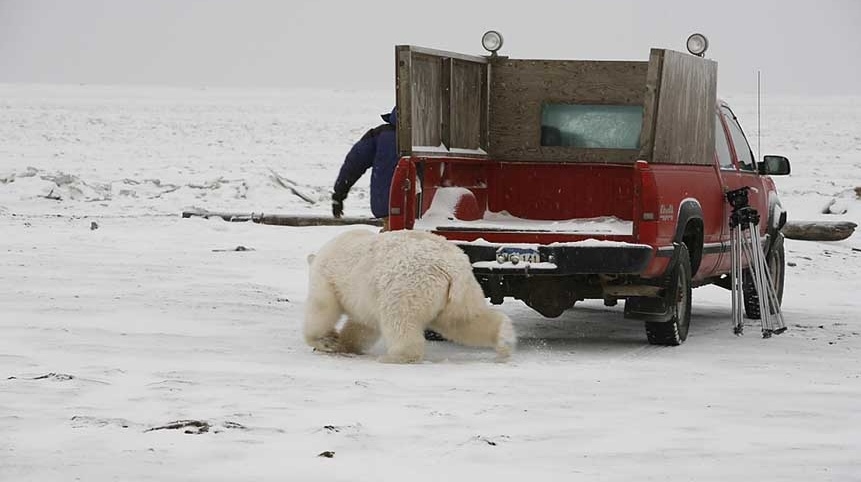
These are pictures from Barrow, Alaska. A photographer got careless and let the bear get too close and he did not have time to get into his truck before the Polar Bear started chasing him around the truck.

1
This is just a small bear. It’s probably only 2 years old and on it’s first year without its mother. A full grown male Polar Bear can get up to be three times this size. Hiding in a truck or car would not save you as any polar bear could smash though the car glass in seconds with very little difficulty.

2

This slideshow requires JavaScript.

WEBSITE    RATES     FISH    HUNT    CABINS    PHOTOS
TESTIMONIALS    BROCHURE    HUNT BOOKLET

Enter your email address to subscribe to this blog and receive notifications of new posts by email.

← Back

Thank you for your response. ✨

Email Me....

 
Leave a comment

Posted by on July 11, 2015 in Bear, hunting, Wawang Lake Resort


Tags: , , , , , , , ,

Know your Rover, Know its Range

by  February 3rd, 2014

a chocolate lab, pointing

“Here, Penny. Come here, girl. Whoa. Now Whoa!” The panicked expletives started the minute I turned my brittany, Penny, loose to quarter the covert. The problem was, it wasn’t me shouting the commands. It was my hunting partner who had only hunted upland birds over his labs.

He didn’t understand that the range for a pointing dog was vastly different than that of a flushing dog, (but really shouldn’t have been commanding or cautioning my dog at all).

He was used to a very close working dog and thought that a wider ranging dog was going to bump birds before we got in position to shoot. What he didn’t know was that a pointing dog, unlike a flushing dog, will (or should) hold birds on point until the guns arrives for the flush.

Range is simply the distance a dog can effectively hunt from its master, and this will vary from dog to dog, breed to breed.

To my mind, range is simply the distance a dog can effectively hunt from its master, and this will vary from dog to dog, breed to breed.

A dog’s natural range is first dictated by genetics and then molded by handling and training in the field. Each breed has its own general parameters in which it works effectively.

Being mindful of the differences between breeds makes the potential owners more informed and more likely to be pleased with their hunting companion.

Point or Flush?
Flusher Retrievers
Flushing dogs, such as retrievers and spaniels, do as their name suggests.

Upon scenting game, they chase and ultimately flush birds. In order to be effective, these dogs must work within a distance of typical shotgun range (10 to 25 yards). If the dog pushes the envelope and starts popping birds up at 35 to 40 yards, the number of missed birds will increase.

The way to train a dog to handle within range is to make sure it’s successful at finding birds in range of the gun during training. Planted birds and solid basic obedience training will convince the dog that if it stays close enough to the shooter, a mouthful of feathers and a retrieve are the reward.

Pointers
Pointing dogs on the other hand can, and should, stretch out the field a bit more. As long as the dog is dependably holding birds until the gun-totting hunter arrives, it can be trusted to reach out a little more.

To ensure that a dog remains steady on point and doesn’t flush birds prematurely, never shoot birds that the dog bumps or flushes.

Soon enough the dog will understand that the only way he gets the reward of a mouthful of feathers is to remain still and hold the bird on the ground until the handler flushes the bird.

Best Breed Debate
The debate over which breed is best for a particular game bird has gone on for decades and will certainly continue. With that in mind, I suggest for the rough shooter who expects to shoot both upland and waterfowl on a given hunt, one of the flushing/retrieving breeds might be most appropriate choice, flushing/retrieving breeds might be most appropriate choice — a springer spaniel or Labrador, for example.

With training, these breeds work close to the gun and will also be happy to hunker down in a blind while waiting for waterfowl to pitch into the decoys.

If, on the other hand, you like to keep your boots dry and hunt upland birds exclusively, then pointing breeds are a better fit. Pointing dogs have a style and range that add a unique flavour to the hunt. True pointing breeds, such as setters or English pointers, are specialists — as are those who tend to own them.

For those who don’t want their dog to dictate the kind of game they pursue, there are always the dock-tailed Continental breeds, such as German shorthairs, Hungarian vizsla, pudlepointers and even brittanys. Pointing, tracking, and retrieving of upland birds, waterfowl, and furred game is all in a day’s work for these versatile breeds.

The distance your dog works from you is ultimately a matter of choice. Regardless of what breed you prefer orgame you hunt, it’s important that you recognize the skills your own dog brings to the field and allow it the room he needs to be effective.

Follow our FISHING BLOG

WEB   RATES     FISH    HUNT    CABINS    PHOTOS
TESTIMONIALS    BROCHURE    HUNT BOOKLET

Enter your email address to subscribe to this blog and receive notifications of new posts by email.

← Back

Thank you for your response. ✨

Email Me....


Tags: , , , , , ,

Time to Start Planning Your 2015 Bear Hunt!

The 2014 season has come and gone with plenty of success.  Many people dream one day of harvesting that trophy bear but put it off for one reason or another….time to put the excuses on hold!

Bear Hunt Rates

Follow our FISHING BLOG

WEB   RATES     FISH    HUNT    CABINS    PHOTOS
TESTIMONIALS    BROCHURE    HUNT BOOKLET

Enter your email address to subscribe to this blog and receive notifications of new posts by email.

← Back

Thank you for your response. ✨

Email Me....


Tags: , , , , , ,

Gear up: Best Hunting Boot Review

So tis the season!  While searching online for my next pair of field boots, I came across this fantastic post done by Outdoor Life Magazine.  A realistic review of several different boots including price 🙂  Talk about a treasure trove.

Remember, when searching footwear to take into consideration:  Climate, Terrain, Fit

NEVER purchase a pair of boots without trying them on and getting a good feel for how they physically feel.  Ensure that you leave enough room for the socks you intend to wear during the majority of your hunts.

boots

Boot Review: Best New Hunting Boots

In order to help you draw a bead on your next pair of boots, we tested a dozen pairs in three categories in Alaska.

A quick glance at this year’s crop of new hunting footwear reveals that although manufacturers aren’t slashing prices while at the same time improving the quality of their goods—as makers of fishing tackle and firearms have done in 2012—they have taken strides to make their boots lighter, more waterproof, and easier to break in than the offerings of recent years.

In order to help you draw a bead on your next pair of boots, we tested a dozen pairs in three categories in Alaska in early March. We wore the boots in snow, waded them through icy marshes, and used them to climb slick, rocky ground. See the results here.

irish setter

Irish Setter Havoc
Price: $199

Though it’s billed as a big-game boot, we found the Havoc to be agile enough for grouse and supportive enough for elk. The boot is available uninsulated or with 800 grams of Thinsulate. Boasting a short break-in period, these boots are an excellent all-around option this fall.

SCORE
Overall: * * * * 
Construction/Materials: A-
Fit: A-
Meets Intended Use: A
Innovation: B
Price/Value: B+
Weight (per boot): 1 lb. 14.9 oz.

Website: irishsetterboots.com

llbean

L.L. Bean Technical Big Game Boot
Price: $199 

Full of quality amenities—400 grams of PrimaLoft, a Gore-Tex layer, an antimicrobial lining—the most innovative feature of these boots is the Boa lacing system, which tightens with the twist of a dial. A reinforced toe-cap increases the boot’s lifespan.

SCORE
Overall: * * * 1/2
Construction/Materials: A-
Fit: C+
Meets Intended Use: A-
Innovation: A
Price/Value: A-
Weight (per boot): 1 lb. 14.9 oz.

website: llbean.com

wolverine

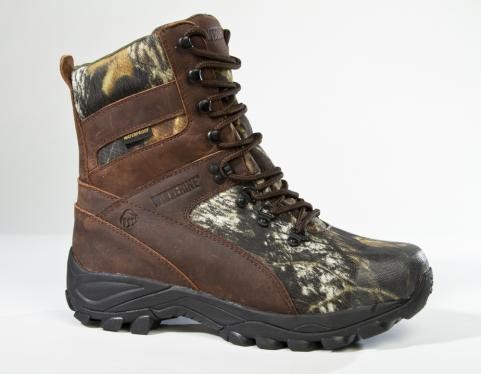
Wolverine Scout II
Price: $140

These boots are dependable, comfortable, and will do a great job in the early season or regions where the weather doesn’t get overly cold. The best thing about the Scout II is Wolverine’s new molded, angled track sole, which provided sure-footedness on snow, ice, rocks, and fallen logs.

SCORE
Overall: * * * 1/2
Construction/Materials: B+
Fit: B+
Meets Intended Use: A-
Innovation: B-
Price/Value: B+
Weight (per boot): 1 lb. 5.2 oz.

Website: wolverine.com

muck

RUBBER/NEOPRENE
Editor’s Choice: Muck Terrain
Price: $240

Brought to you by the original neoprene bootmaker, the 18-inch Terrain is rimmed with an adjustable neoprene dirt/snow skirt, and the upper features textured rubber guards that offer protection in places that get poked, jabbed, and scuffed the most.

Made from 4-millimeter neoprene, the boots are generously sized around the calf, allowing pants to be tucked in. It’s a stout boot, yet it’s still comfortable during longer walks. The soles stayed glued to treestands and the footboards of ATVs and snow machines.

SCORE
Overall: * * * *
Construction/Materials: A
Fit: A-
Meets Intended Use: A
Innovation: A
Price/Value: A-
Weight (per boot): 2lb. 8.8 oz.

website: muckbootcompany.com

bushnell

Bushnell Archer
Price: $170

A familiar name in an unfamiliar category, the legendary optics maker’s new Archer boot (one of eight hunting boot models for 2012) has a drawstring closure, a handsome suede finish, and a sole that practically adheres to treestand platforms. The warm, 3.5-
millimeter neoprene features a nice fleece lining.

SCORE
Overall: * * * 1/2
Construction/Materials: A-
Fit: B+
Meets Intended Use: A-
Innovation: B+
Price/Value: A-
Weight (per boot): 2 lb. 10.6 oz.

Website: Bushnellfootwear.com

lacrosse

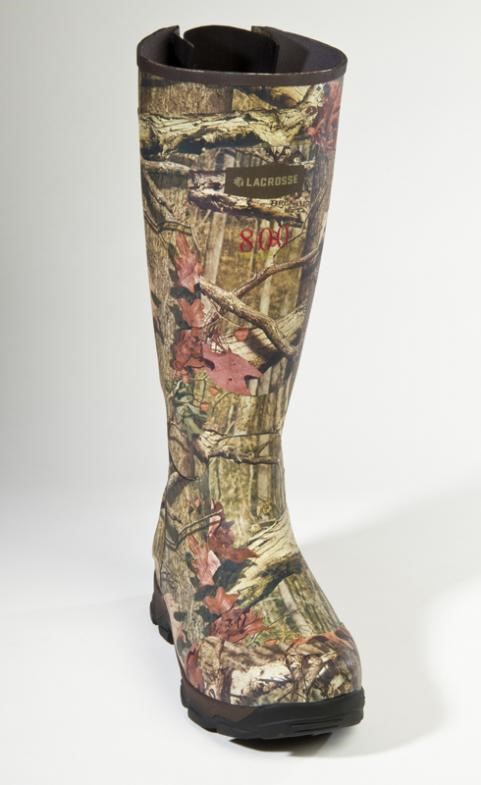
LaCrosse 4x Burly
Price: $120

These throwback rubber boots are stable on rocky ground and feature lots of room to accommodate large calves or thick pant legs. With 800 grams of insulation and a much-improved molded sole, the boots are quite warm. The sizing is classic Burly—snug around the ankles—so you might need help pulling them off.

SCORE
Overall: * * * 1/2
Construction/Materials: B
Fit: B
Meets Intended Use: A-
Innovation: C+
Price/Value: B+
Weight (per boot): 2 lb. 15.2 oz.

Website: lacrossefootwear.com

bogs

Bogs Bowman
Price: $191

The ingenious side handles make pulling on the Bowmans a snap. Overall, the boots are reasonably durable, and the sole gripped both metal and snowy surfaces equally well. While there was not a lot of built-in structure to protect the top of the foot, these boots were comfortable to wear over long distances.

SCORE
Overall: * * *
Construction/Materials: B+
Fit: B
Meets Intended Use: A-
Innovation: B-
Price/Value: B-
Weight (per boot): 2 lb. 9.9 oz.

Website: bogsfootwear.com

kenetrek

MOUNTAIN HUNTING

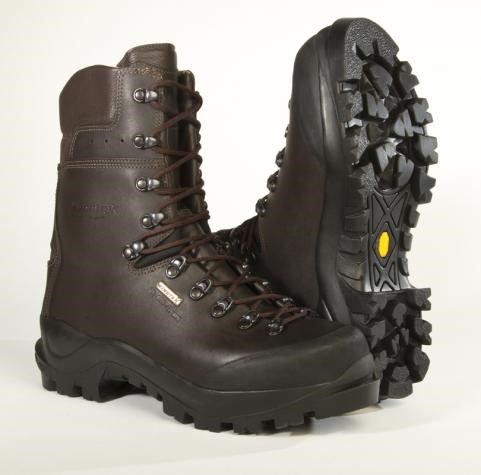
Editor’s Choice: Kenetrek Mountain Guide
Price: $425 

A one-piece 3.4-millimeter leather upper and excellent lacing control combine to produce an accurate and highly adjustable fit. The interior is lined with luxurious, soft leather. The aggressive (nearly sharp) Vibram soles accommodate crampons.

The boot’s support is  second to none, and the build quality is extraordinary. The Mountain Guides will likely be the last pair of mountain hunting boots you’ll buy for a decade.

SCORE
Overall: * * * * 
Construction/Materials: A+
Fit: A+
Meets Intended Use: A+
Innovation: B+
Price/Value: A-
Weight (per boot): 2lb. 6.6 oz

Website: kenetrek.com

Lowa

Lowa bighorn Hunter GTX
Price: $450

This boot utilizes a proprietary outsole that incorporates a layer of textile in the rubber lugs to increase grip. A great choice for elk and sheep hunters alike, the Hunter GTX was easy to break in and displaced sweat like a dry sponge.

SCORE
Overall: * * * * 
Construction/Materials: A
Fit: A
Meets Intended Use: A+
Innovation: A
Price/Value: B+
Weight (per boot): 2lb. 0.7 oz.

Website: lowa.com

Schnee

Schnee’s Beartooth
Price: $339 

A soft leather collar and tongue combine to deliver incredible comfort. Using a compound exclusive to Schnee’s, the Vibram sole holds tight even on slick rocks. The 2.6-millimeter upper is triple-stitched, making this a killer value at under $350.

SCORE
Overall: * * * *
Construction/Materials: A
Fit: A
Meets Intended Use: A
Innovation: B
Price/Value: A
Weight (per boot): 1lb. 14 oz.

Website: schnees.com

columbia

Columbia Hell’s Peak
Price: $190

The Hell’s Peak provides impressive lacing control and a decent amount of protection, given its ultralight weight (26.4 ounces). They’re perfect for stalking elk or mule deer, but you likely won’t get more than two seasons of aggressive use out of these boots.

SCORE
Overall: * * * 1/2
Construction/Materials: B+
Fit: B+
Meets Intended Use: B
Innovation: A-
Price/Value: B
Weight (per boot): 1lb. 10.4 oz.

Website: columbia.com

Follow our FISHING BLOG

WEB   RATES     FISH    HUNT    CABINS    PHOTOS
TESTIMONIALS    BROCHURE    HUNT BOOKLET

Enter your email address to subscribe to this blog and receive notifications of new posts by email.

← Back

Thank you for your response. ✨

Email Me....


Tags: , , , , , ,

Five Ways To Control Your Scent

Deer have always been prey species. They use all of their senses to avoid being killed by predators like coyotes, wolves, bears, hunters, and automobiles. Their most refined defense is their nose. Whitetail deer are believed to have noses one hundred times more sensitive than a dog’s. Uneducated deer are usually not exceedingly wary of human scent. But if you want to get close to a mature buck you’re going to have to control your scent. Here are five great tips for controlling human odor while deer hunting.

SCENT-WAWANG-LAKEScent Control Clothing The first step is scent control clothing. Some clothing utilizes activated carbon, others use silver to eliminate odor. Just about everything from base layers, socks, gloves, pants, jackets, hats, and facemasks are made to control odor. Of course, rubber boots are also an important addition. It doesn’t matter what you wear if you don’t take care of your clothing. If you’re wearing your scent free clothing in the truck or during breakfast you might as well wrap yourself in bacon. Don’t put on your hunting clothing until you’re in the field and have everything else ready to go.

Don’t wash your scent free clothing in normal detergent. Use scent free, phosphate free, UV brightener-free detergent. In fact, wash a load of your normal clothes in this detergent before doing a load of your hunting clothes just to get any residual detergent out of the machine. Once clean, clothing should be stored in a sealed, scent-free container.

De-Scenting Shower Your body is constantly creating odor. Bacteria is the chief cause of human odor and most scent killing soap is designed to kill bacteria. Lather your entire body and leave the soap on for about a minute before rinsing off. Letting the soap sit on your body will allow it to kill more bacteria. Be sure to wash a supply of towels with your scent free laundry detergent too. Before dressing, apply scent free antiperspirant.

Dirty Mouth One of the most bacteria rich environments on your body is your mouth. As you exhale, much of the scent from your mouth is dispersed into the air. Brush your teeth with unscented baking soda toothpaste at home and just before going into the field. Plaque is a chief producer of scent. Regular visits to the dentist can help control plaque and in turn, control scent. Chewing gum flavored with vanilla, apple, or mint can mask your scent.

Scent-Eliminating Sprays Just about everybody sprays down before hunting these days. But are you doing a good enough job? Buy your spray in bulk at the beginning of the season and don’t be shy about using it. Spray down at the truck and again in the stand. Spray down everything including yourself, your equipment, decoys, calls, and anything else you may have with you.

Using Scents There are two basic types of scents; cover scent and lures. I have seen deer lure scents work but personally avoid them. Using a deer lure scent is essentially asking deer to use their nose at a heightened level. Think about walking into your house when something really good is on the stove. You try to figure out what it is that you are smelling and are very aware of the scents in your home. If you come home before dinner is on the stove your house just smells like it always does and you’re probably not thinking about scent at all. The same principle applies for deer in my opinion. I do like cover scents but I don’t buy commercially produced scents. I prefer using scents from my hunting area. For example, we have junipers, apple trees, and various pines scattered throughout the property. I’ll use branches and apples to mask my scent. I’ve also been known to walk through cow pies on the way into my stand.

You’re never going to completely eliminate your scent. But if you can control it well, you can make a buck and possibly even a bear think your 200 yards away when you’re really just 20 yards away.

Follow our FISHING BLOG

WEBSITE    RATES     FISH    HUNT    CABINS    PHOTOS
TESTIMONIALS    BROCHURE    HUNT BOOKLET

Enter your email address to subscribe to this blog and receive notifications of new posts by email.

← Back

Thank you for your response. ✨

Email Me....

 
Leave a comment

Posted by on June 20, 2015 in hunting, Wawang Lake Resort


Tags: , , , , , , , , ,

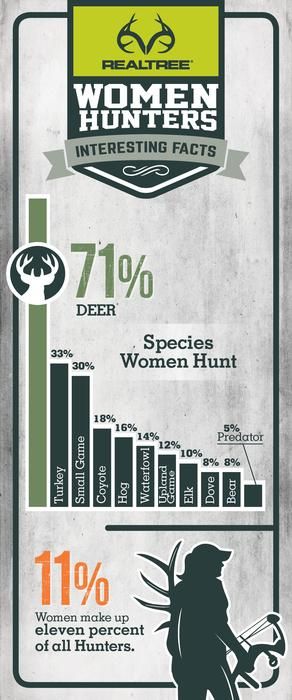
Women Hunters – Interesting Facts

wawang-lake

Follow our FISHING BLOG

 WEBSITE    RATES     FISH    HUNT    CABINS    PHOTOS
TESTIMONIALS    BROCHURE    HUNT BOOKLET

Enter your email address to subscribe to this blog and receive notifications of new posts by email.

← Back

Thank you for your response. ✨

Email Me....

 
Leave a comment

Posted by on June 19, 2015 in archery, Wawang Lake Resort


Tags: , , , , , , , ,

Shooting A World Record MOOSE

If you are in search of a record book moose because he has survived many previous hunts, and you as a hunter respect the survivability of the animal, then you have set a high standard for yourself.

Pursuing any type of world record is not something that many aspire to do.   for the trophy hunter, shooting a world record moose is the ultimate goal. Are you a trophy hunter? Or a meat hunter?

Do we need to continue to search for the ever bigger? Then when we find it, is it right to destroy it? Should we limit the very essence of the mighty beast; snuff out the possibility of procreation? These are tough questions?

giant-moose
Canadian World Record Moose 2013

Hunter Heinz Naef shot what he believes could be the largest moose ever harvested in the Yukon(Sept. 2013). 

His moose, scored 263 1/8 inches after the required drying time of 60 days. The official scoring will be made in Nevada in early 2014.

Heinz is not a trophy hunter, he wasn’t looking to harvest a world record moose. No, he is a meat hunter… by his own admission. He was just out looking for any legal moose to fill his freezer. It just so happened to be this one.

Human beings have pushed everything to its limits. The Guinness Book of World Records is a testament to this. We strive to better ourselves, to beat our predecessors, going beyond what anyone has done in the past. Is it wrong to have the desire to be better, to do it bigger? Is our only purpose to get our names in a book?

When entering animals into record books, who deserves the respect? You or the animal? It is vitally important to include all relevant information about said trophy… the hunters name however may not be so important.

Many hunters have a few trophies on the wall, but most are not world record moose, but all of them are trophies to the hunter.  Many hunters do not go hunt with the sole purpose to acquire a trophy, and likely many of you, may scoff at some of the animals that have been shot. They are not in any record book, nor are they of that class, but to the hunter, they are a reminder of the hunt and a way for to show appreciation for the animal.

No animal should be killed for the sole purpose to raise a hunters social status, to do so is crossing the ethical line for hunters.

Where does one find a world record moose? This question is one that no one person can answer for sure. Through research and dialogue you may be able to locate moose habitat that will contribute to the growth of these monsters. A hunter in search of a world class moose will spend a lot of money and time to achieve his goal. These big animals are not going to be easily accessible. Days, weeks even years of pursuit to harvest a moose that can make the record books will be the required 22dedication.  Hunting the most remote areas of the planet is what it will most likely take and never discount luck. Luck is a huge part of hunting.

As an example the latest world record moose taken with a rifle, shot by Jay Link in 2001. Jay travelled to Russia, to the very remote regions to get this moose. He has stated it cost him $20,000.00 to do this hunt (before shipping and taxidermy). Jay may not have been looking for a world record when he shot this one, but he was certainly looking for a world class moose. Unfortunately for Jay, because the moose was taken in Russia, it is not eligible for Boone and Crockett.

Aaron Folk killed this state record North Dakota moose in October 2012, with a green score of 166 and a 53-inch spread.

Aaron Folk killed this state record North Dakota moose in October 2012, with a green score of 166 and a 53-inch spread.

Real Langlois, who's been dubbed "The Rackman" for all his moose hunting exploits, bagged this world record bull in the Yukon with his bow in 2008. With a score of 249 1/8, The Rackman beat out Michael Cusack, whose 1973 bull moose scored 248. The most amazing thing about Langlois' kill? You can watch the whole thing on YouTube, where he makes a breathtaking five yard shot on this behemoth.

Real Langlois, who’s been dubbed “The Rackman” for all his moose hunting exploits, bagged this world record bull in the Yukon with his bow in 2008. With a score of 249 1/8, The Rackman beat out Michael Cusack, whose 1973 bull moose scored 248.

Eric Arnette killed this Yukon monster in 2004, with a B&C score of 236 and a span of 75 inches.

Eric Arnette killed this Yukon monster in 2004, with a Boone & Crockett score of 236 and a span of 75 inches.

The world record moose, Boone and Crockett scored 261 5/8 and was taken by John A. Crouse in 1994 near Forty-mile River Alaska.

Hunters value the opportunities to venture out into the outdoors and hunt. The chase is wonderful and exhilarating. To some degree the kill is saddening as a wild animal has paid the ultimate sacrifice and many hunters pause to give thanks for any animal that they just harvested.   They truly appreciate it!

Many hunters don’t hunt for a trophy – after all the antlers will make poor soup. Given the opportunity though, if a world record moose were to walk out in front of you, and assuming you recognize it as a trophy. Would you shoot…?   Would You?

Follow our FISHING BLOG

 WEBSITE    RATES     FISH    HUNT    CABINS    PHOTOS
TESTIMONIALS    BROCHURE    HUNT BOOKLET
Enter your email address to subscribe to this blog and receive notifications of new posts by email.

← Back

Thank you for your response. ✨

Email Me....


Tags: , , , , , , , , ,

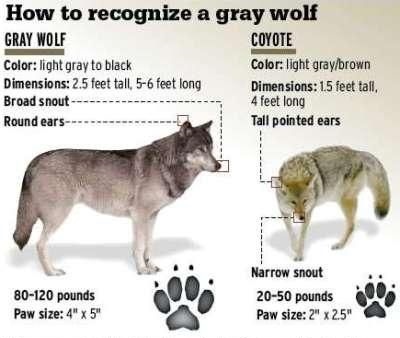
How to Identify a Gray Wolf

Identify a Wolf


wolf-track-wawang-lake

WEBSITE    RATES     FISH    HUNT    CABINS    PHOTOS
TESTIMONIALS    BROCHURE    HUNT BOOKLET

Enter your email address to subscribe to this blog and receive notifications of new posts by email.

← Back

Thank you for your response. ✨

Email Me....


Tags: , , , , , , ,