
Follow our FISHING BLOG
WEB RATES FISH HUNT CABINS PHOTOS T
ESTIMONIALS BROCHURE HUNT BOOKLET
Follow our FISHING BLOG
WEB RATES FISH HUNT CABINS PHOTOS T
ESTIMONIALS BROCHURE HUNT BOOKLET

Beartooth a case to use on your smartphone that essentially turns your phone into a walkie talkie to be used when your phone is out of range of cell service.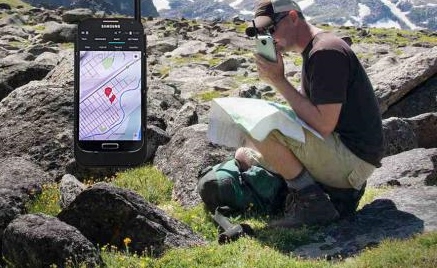
The device will allow you to make texts and phone calls with other Beartooth users over a radio signal, and even allows you to get your geo-location to be used with a map. The radio device will even encrypt your text messages using a 128-bit encryption to keep your data safe.


The Beartooth phone case radio features individual or group messaging, an SOS broadcasting that that will broadcast your position at user defined intervals for emergencies, as well as hold extra battery storage for your phone right in the case.


Follow our FISHING BLOG
WEBSITE RATES FISH HUNT CABINS PHOTOS
TESTIMONIALS BROCHURE HUNT BOOKLET


Over the past two decades hunting backpacks have grown in popularity and size. Not only cubic inches, but number of pockets and where we can strap things. Don’t be sucked into the thought that you have to fill each and every pocket or empty space with something. Instead, make a list of items you think you’ll need for your outing by reviewing the possible scenarios that may occur. For example, if you are just planning a day hunt you may jot down a considerably short list, whereas if you are hunting for a few days you will be carrying a bit more gear.
You have to find a good area to hunt and you need to get there. You also have to have a pack that is tough, not too heavy, and has ample space to pack out an animal should you be fortunate enough to harvest one. Some areas can be thick vegetation so you need to be aware of the terrain and weather of where you will be headed. Pack your gear for each and every trip to be sure you have everything you might need and a little extra should you find yourself stranded. You should do some research and find a good pack that will fit your needs and more importantly fit you. Here are the essentials that you should take on every hunt.
These essentials should be a constant each time you venture into the forest.
 Water – Always plan to have enough to drink throughout the day. Also plan on sipping, not guzzling so you don’t waste the resource. Before you leave on your hike, locate a water source on a map and prepare to refill along the way. Put an extra bottle in the bottom of your pack in case your hydration system runs out. Then you know you at least have one bottle left. Also, leave a 2 liter bottle of water in your vehicle (preferably in a cooler) so you have something cool to drink when you reach it.
Food/Snacks – Have fun with what you eat on the trail! Take almonds, some energy gel, trail bars like Granola bars, and, be sure to pack a sandwich. For some, and, for those who like it, there is something about eating a peanut butter and honey sandwich on top of a peak that just makes it that much better. Try to stay away from most other sweets on the trail like candy bars or snacks that could leave you feeling sluggish.
First-Aid Kit – Pack a kit yourself or better yet, buy one of the Adventure Medical Kits Sportsmans Kit available at most stores. It is a great kit and the one you should carry on each and every trip. A word of advice to everyone is to open the kit and know what is in there before you leave your house check it over. If you think something is missing, add it. One of the items you should always sure to pack is moleskin. You can never tell when it might be needed to cushion a blister or protect your feet. Having that moleskin was invaluable. Be sure to include other items like QuikClot and a tick remover. You may never needed them and they could’ve been left at home, but don’t mind a little extra weight when it comes to safety.
SPOT Locator – Having a locator beacon on your in case in the event you might get lost is added security. It allows your family to track you via computer when your on a hunt. They can see exactly where you are, the terrain, and if you are stationary or moving. The best part is that is if you get lost or need medical assistance you can press a button and have them dispatched to your location. It is highly recommended to review the features to see if you plan on hiking more than a couple miles in or if you plan to be out for a few days. Having a space blanket is a great idea in case you get stranded and need to keep warm. If you need to use it you will probably be miserable, but it will help keep you alive.
Compass – Know how to use it.
Map – A topographical map of the area I am hunting. Some of the items that should be packed, but not necessary really don’t need an explanation:
Whistle, Lighter, Headlamp/Flashlight, Knife and Paracord.
As mentioned earlier, for different hunts there will be a different set of items you will have in your pack. It may take some testing on your part to see what you need, don’t need, and what weighs the least. No matter what, whatever you pack, get out there and enjoy yourself.
Follow our FISHING BLOG
WEBSITE RATES FISH HUNT CABINS PHOTOS
TESTIMONIALS BROCHURE HUNT BOOKLET


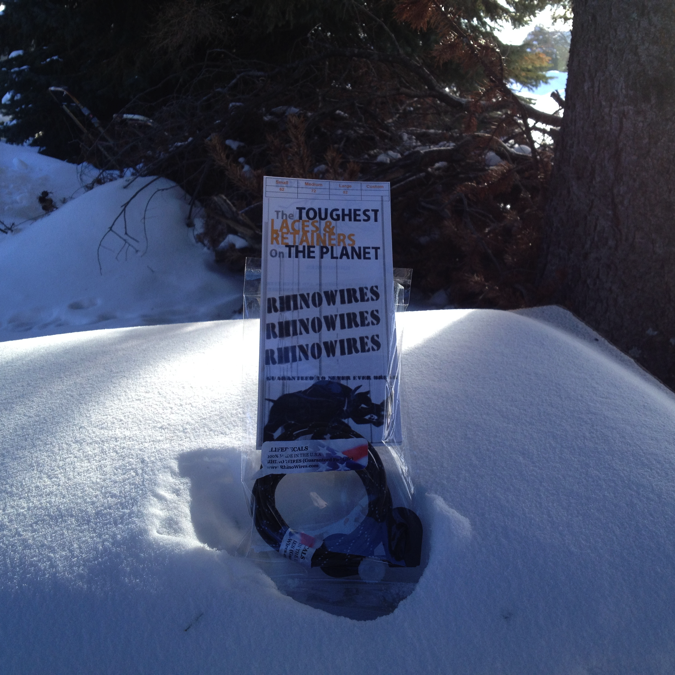 This review is for the RHINOWIRES boot laces. And no, that is not an error in my typing. I used all capital letters for their company because these “boot laces” are the real deal!
As soon as I received them and took them out of the package I realized I had ahold of a pair of serious laces. The RHINOWIRES feel stiff and you wonder how on earth am I going to tie these up?! I can assure you though that they do tie up. I put mine in a double knot and they hold my entire 12-13 hour day. RHINOWIRES also come with optional lace locks so you don’t have to tie them. I would suggest getting them custom sized and go with the lace locks. Mine are too long to do this and the extra RHINOWIRES length would prove to be a trip and entanglement hazard.
Those of you who are blue collar and perform hard labor for a living would benefit greatly from owning a pair of RHINOWIRES. Outdoor guides, farmers, steel workers, loggers, military, law enforcement, of course firefighters and everyone else who needs to wear steel-toe boots on the job need to get a pair of these RHINOWIRES. Even individuals who spend their time in the great outdoors hunting, fishing, hiking and other outdoor activities would be wise to own a pair of RHINOWIRES. They come in a variety of colors and sizes as well as even being reflective. I received a pair of OD green that is reflective. I work as a dry kiln operator at a lumber mill and the reflective laces will actually benefit me since I need to wear a reflective vest in my work environment. Working around 56,650 lbs. forklifts carrying around lumber bundles that weigh from 17,500 lbs. to 35,000 lbs. means that safety is of the up-most importance. That is where having the reflective laces add an additional safety element to my work. Granted, right now I am wearing rubber over-boots for the winter to help with the freezing temperatures and snow, but I am confident that when summer rolls around my RHINOWIRES will not fail me. You will know what I mean as soon as you lay your hands on your very own pair. As you can see from the photo’s below, I took a picture of my Rhinowires without flash and then one with flash to show the degree of reflectiveness they have. Quite impressive if you ask me.
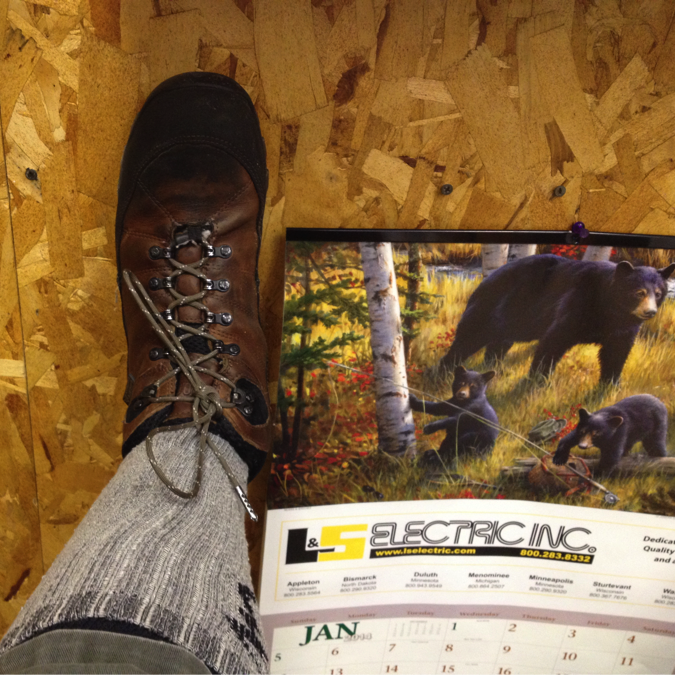
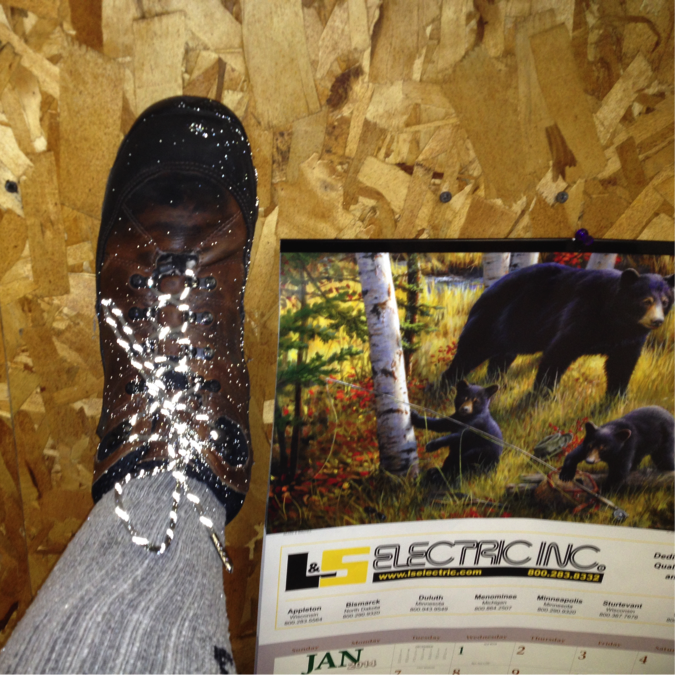
RHINOWIRES come with a replacement guarantee. That’s right, if they ever break they will replace them no questions asked! If you don’t believe me, just read their RHINOWIRE guarantee.
These RHINOWIRES were invented by 2 fire fighters. They said it best on their website that “$400 boots are only as good as the $3 shoe laces. Once the laces break, your $400 boots are useless!”. They invented a product that we all can benefit from because they understand the need for RHINOWIRES. Right now they are running a kick-starter program to fund their project. I hope that everyone will consider helping them. They have several packages available that will get you a pair of these RHINOWIRES and believe me; they are worth every penny and then some.

I am proud to participate in this product review for RHINOWIRES and I assure you that I am also going to invest in the project even though I received a pair for review. It is completely worth it and I hope you feel the same way as well. As they say on their website, I am definately going to Rhino up! Thank you for reading my product review for RHINOWIRES and if you have any questions, comments or even critiques please feel free to contact me.


“Here, Penny. Come here, girl. Whoa. Now Whoa!” The panicked expletives started the minute I turned my brittany, Penny, loose to quarter the covert. The problem was, it wasn’t me shouting the commands. It was my hunting partner who had only hunted upland birds over his labs.
He didn’t understand that the range for a pointing dog was vastly different than that of a flushing dog, (but really shouldn’t have been commanding or cautioning my dog at all).
He was used to a very close working dog and thought that a wider ranging dog was going to bump birds before we got in position to shoot. What he didn’t know was that a pointing dog, unlike a flushing dog, will (or should) hold birds on point until the guns arrives for the flush.
Range is simply the distance a dog can effectively hunt from its master, and this will vary from dog to dog, breed to breed.
To my mind, range is simply the distance a dog can effectively hunt from its master, and this will vary from dog to dog, breed to breed.
A dog’s natural range is first dictated by genetics and then molded by handling and training in the field. Each breed has its own general parameters in which it works effectively.
Being mindful of the differences between breeds makes the potential owners more informed and more likely to be pleased with their hunting companion.
Point or Flush?
Flusher Retrievers
Flushing dogs, such as retrievers and spaniels, do as their name suggests.
Upon scenting game, they chase and ultimately flush birds. In order to be effective, these dogs must work within a distance of typical shotgun range (10 to 25 yards). If the dog pushes the envelope and starts popping birds up at 35 to 40 yards, the number of missed birds will increase.
The way to train a dog to handle within range is to make sure it’s successful at finding birds in range of the gun during training. Planted birds and solid basic obedience training will convince the dog that if it stays close enough to the shooter, a mouthful of feathers and a retrieve are the reward.
Pointers
Pointing dogs on the other hand can, and should, stretch out the field a bit more. As long as the dog is dependably holding birds until the gun-totting hunter arrives, it can be trusted to reach out a little more.
To ensure that a dog remains steady on point and doesn’t flush birds prematurely, never shoot birds that the dog bumps or flushes.
Soon enough the dog will understand that the only way he gets the reward of a mouthful of feathers is to remain still and hold the bird on the ground until the handler flushes the bird.
Best Breed Debate
The debate over which breed is best for a particular game bird has gone on for decades and will certainly continue. With that in mind, I suggest for the rough shooter who expects to shoot both upland and waterfowl on a given hunt, one of the flushing/retrieving breeds might be most appropriate choice, flushing/retrieving breeds might be most appropriate choice — a springer spaniel or Labrador, for example.
With training, these breeds work close to the gun and will also be happy to hunker down in a blind while waiting for waterfowl to pitch into the decoys.
If, on the other hand, you like to keep your boots dry and hunt upland birds exclusively, then pointing breeds are a better fit. Pointing dogs have a style and range that add a unique flavour to the hunt. True pointing breeds, such as setters or English pointers, are specialists — as are those who tend to own them.
For those who don’t want their dog to dictate the kind of game they pursue, there are always the dock-tailed Continental breeds, such as German shorthairs, Hungarian vizsla, pudlepointers and even brittanys. Pointing, tracking, and retrieving of upland birds, waterfowl, and furred game is all in a day’s work for these versatile breeds.
The distance your dog works from you is ultimately a matter of choice. Regardless of what breed you prefer orgame you hunt, it’s important that you recognize the skills your own dog brings to the field and allow it the room he needs to be effective.

The fixed stand is the type that most people think of when they picture a tree stand in their mind. It consists of a platform that the hunter climbs a tree to set in place, then attaches to the tree trunk with straps, chains, ropes or other methods. Depending on the type and brand of fixed stand, it may have a small rail around the platform that can be used as a rest while shooting a weapon. When using a fixed stand for the first time, it’s a good idea to first attach it to the tree’s trunk at the bottom to ensure that you know how it should be set up, that it quietly holds your weight and to make sure there are no other issues with the stand.

Permanent stands are just what they sound like—they’re stands that stay in the same tree at all times. This type of tree stand is homemade and generally constructed of wood. Depending on the hunter who builds the stand, it can be a simple platform or an elaborate blind that looks like a tree house. If using a permanent stand, you should inspect it often since wear and tear can make them unsafe in a short amount of time.

Ladder stands are platforms that are attached to the top of a ladder. You attach it to the trunk of a tree and then climb the ladder to get to the platform. This type of stand has some distinct pros and cons. It’s a very stable and safe tree stand and much easier to get into than other types of stands. However, this type of stand is big and hard to move from one place to another. It’s hard to conceal so that animals in the area will see it and may become scared and leave the area. If this is the type of stand you will use, it’s best to pick an area where you intend to hunt and erect the stand in the off-season for use during hunting season. This will give the animals of the area time to get used to the stand and they’ll ignore it and not be afraid to come near it.

Climbing stands come in a wide variety of models, but they all operate in basically the same way. This type of stand is built with an upper and lower platform. The hunter will operate the top platform that grips the tree. The hunter then moves the lower platform that releases the tension allowing the hunter to slide further up the tree. This motion is repeated over and over until the desired location in the tree is reached. A hunter climbing a tree with a climbing stand will look like they are imitating the motion of an inchworm. Some styles of climbers can be used from the sitting position and some are used while standing.

Tower stands were developed for areas where there aren’t many trees that will support the weight of a typical tree stand. A tower stand is a freestanding platform situated on top of three or more legs. The legs of some models can be adjusted to different heights. This type of stand is large and heavy and has the same pros and cons as a ladder stand, but in certain areas a tower stand may be the only choice.

Do you like what you see? Join us on our Fishing Blog for more up to the minute action, tips and tactics!!


 ON TARGET in CANADA