We’ve all been there…just wanna let loose but got busted!!


So the outback of Alaska is as unforgiveable as it comes for weather and wildlife but imagine being the hunter and guide dropped into a stake camp only to come back and find this!!

Well, thankfully, the group just happened to have some meager supplies and a little bit of luck and VOILA!!

And you thought that duct tape was only good for fixing cars 😉

We at Wawang live in the densely populated wilderness of the boreal forest. Though we don’t have grizzlies, we do have an extremely thick population of both black bear and wolves…..this is what it looks like behind the vail of leaves without the touch of man.

With all the talk of such freezing temperatures, it is no wonder most of us are a lot less eager to suit up and get out hunting. Here is a great article written by By Ken Bailey on how to prepare for a comfortable, cold day hunt!

In late-November whitetail hunt many years back, I stumbled upon a dream buck lying out in a hayfield. Perhaps he was tired from chasing does, but since I pegged him at about 180 Boone & Crockett points, it wasn’t the time to question my good fortune. I laid my rifl e across a fencepost, found the sweet spot in the scope and squeezed the trigger. You wouldn’t believe how loud an unexpected click sounds in the still, frozen air. Unsure of what had just happened, I ejected the cartridge, pushed in another and squeezed again. Another loud click. At that, the buck jumped to his feet and bounded off while I cursed aloud. The culprit, as it turned out, was a frozen firing pin spring. Here’s how to avoid this happening to you, along with some other tips for a problem-free cold-weather hunt.
Mind the moisture
So, why did my rifle misfire? It’s a common problem, really. Condensation forms on the metal when the firearm is brought in from the cold, then slides into the action and barrel. When you take the gun back outside, the moisture freezes and locks up the action or firing pin.
To prevent this, leave your rifle out in the cold—whether in a locked vehicle or other protected location—if it’s safe to do so. If you have no option but to bring the gun inside, store it muzzle down and dry it thoroughly once it has stopped sweating. Snow can also play havoc with the action and muzzle of your fi rearm, so scrupulously brush off any that accumulates. To ensure snow doesn’t get in the barrel, cover the crown with a strip of electrical tape—it won’t have any impact on the ballistics. As with the problem of condensation, any snow left on your gun will melt when you bring it inside, then turn to ice when you head back out.
Lose the lubricants
I’m vigilant about cleaning and lubricating my fi rearms: a well-oiled rifle ensures consistent friction-free cycling. But lubricants can lose their viscosity in frigid temperatures, and begin to freeze in extreme situations. That can result in slow or inoperable triggers and firing pins.
The good news is, modern firearms are designed to work perfectly fine without lubrication, especially if high-volume shooting, which can lead to heat buildup and increased friction, is not required. So, if you’re going to be hunting in sub-zero temperature, cleanse your action of all lubricants. There are many commercial degreasers on the market, but virtually any solvent, or even gasoline, will work well.
To begin, remove and disassemble your bolt, for this is where years of grease, oil, dirt and general crud can accumulate. This includes inside the firing pin spring. Once you’ve soaked the components in a degreaser, simply wipe them dry and reassemble the gun. If you’re of the notion that you absolutely must use a lubricant, look for one of the modern concoctions rated for -40°C or colder.
Dress for the occasion
Two years ago on a Newfoundland moose hunt, I got caught unprepared when the tail end of a hurricane caused the temperature to plummet 30 degrees. I was forced to put on nearly every stitch of clothing I had with me, most of which wasn’t designed to be worn together.
I really should have known better— when hunting in regions where extreme cold is possible, even if it’s not in the forecast, go prepared for the worst. That means layering your clothing from top to bottom. Wear a base layer that wicks moisture away from your skin; underwear made of polypropylene is a good choice. Cotton absorbs moisture, so avoid it at all costs.
Mid-layers are designed to insulate, so you’ll want several layers to accommodate a wide range of temperatures and activity levels. Popular materials include wool or the various iterations of fleece. Your outer layer should protect you against wind, snow and freezing rain, so the shell must be wind and waterproof. Be sure it includes a hood.
All your clothing should fit comfortably but not tightly. Select sizes such that each layer fits well over the layer below it. And when it comes to covering your feet, head and hands, moisture wicking materials, insulation and protection from the elements are equally important. Now, bring on the cold!

So those that know me personally, know that I love the idea of micro houses! Everything you need in a couple hundred square feet or less! These homes can also be used as fantastic hunting cabins or even camping cabins. Here is a fantastic list of plans found through Relaxshacks.com
Trust me you will be addicted to these as an idea once you see what can be done!!
2. POPULAR SCIENCE DOME HOME– I just LOVE the old art, and layout of the Popular Science, Family Handyman, and Family Circle plan sets of old. This one is a great example, and while I’m not overly enamored with dome homes myself, there’s no denying that this is a cool little idea for a home, and that domes still do have their followers and fans. This one buds for you!

http://www.popsci.com/archive-viewer?id=1T4ORu6EICkC&pg=111&query=heap+o+planning+
3. Michael Janzen’s Free Pre-fabbin’ Cabin (We also have a link to some other REALLY cool cabin plan sets from Michael down in the lower RIGHT HAND column of this blog). Here’s a really cool free set though…easy to build, and good lookin’.
CLICK HERE: http://www.tinyhousedesign.com/wp-content/uploads/2009/09/Tiny-Prefab-v1.pdf

4. Jamaica Cottage Shop’s Free Shed Plans– EASILY convertible into a tiny vacation cabin/cottage or even a cool shed office or fort! I LOVE some of the designs from Vermont’s “Jamaica Cottage Shop”- one of my favorite’s being “The Writer’s Haven”- so be sure to check out the rest of their offerings! You have to join their mailing list to get the plans, but the stuff that occasionally comes across in their email offerings is all really cool tiny house and shed related material. At least check out some of their models atwww.JamaicaCottageShop.com

Above: The Writer’s Retreat- its not the one you get free plans for, but I believe the sell plans for this VERY VERY affordable. Its one of my all-time favorite tiny cabins.
CLICK HERE for MORE PHOTOS OF THIS CABIN…http://relaxshacks.blogspot.com/2012/01/writers-haven-tiny-guest-housecabin.html
5. Michael Janzen’s TINY FREE PALLET HOUSE– pretty self explanatory….Pallets are EVERYWHERE, so why not put them to use?
http://www.tinypallethouse.com/2008/08/build-the-shipping-pallet-floor/

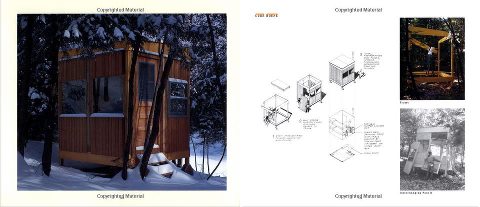
6. EDGAR BLAZONA’S MD-100 Modular Shelter– We’ve posted it here before, but here is a link to the very thorough plans from Mr. Blazona- a really modern, simple, and fun cabin, that can be built for approximately $2000 or so by today’s prices. This plan set originally debuted through Readymade Magazine.

Again, if you know of more FREE plans for cabins, sheds, of tiny houses, post them in the comments section below and I’ll eventually archive them in a running list for all to see/enjoy.
-Derek “Deek” Diedricksen


 ON TARGET in CANADA