RSS

Category Archives: hunting

Don’t Forget To Breath

Whether we are at the range shooting targets, or in the field hunting, breathing is important. We want our sight, scope or pin to be on its mark when we pull the trigger.

untitled

Education, shooting positions and firearms are all very important to shooters. Breathing is a very important factor as well. We all breathe. From the day we were born we have unconsciously learned to breathe in and out. That natural motion can help or hinder during shooting.

Controlled breathing is a necessity in shooting accuracy. When you breathe in and out your chest rises and falls. This movement can cause your gun barrel or arrow sight to float on its target. Your breathing may cause you to move at the exact moment you pull the trigger to fire.

Sometimes when you are hunting, you get excited and/or the terrain and conditions cause your heart rate to accelerate. Your breathing becomes more rapid and harder to control. If you hold your breath, you may become light headed and your shot may be off target. It is important to practice your breathing techniques as you practice shooting positions at the range.

There are multiple methods of breathing during a shot. The best thing to do is practice them and determine which works best for you. Once you’ve determined your breathing technique, practice it so it becomes instinctive when you are under pressure.

untitled4Exhale & Pause – When you are in shooting position, put your cheek against the stock of the gun. Take in a deep breath. Exhale just a portion of that breath, pause briefly and pull the trigger. The pause should allow you to hold your gun barrel and sights in perfect alignment on the target at the very moment the gun fires.

Inhale & Pause – Relax and practice steady breathing. Double check your shooting position. In your rythm of relaxed breathing, inhale. When your lungs are about half full, pause and pull the trigger. The inhale and pause is similar to the exhale and pause method. Your gun barrel and sights should be in perfect alignment on the target at the exact moment the gun fires.

Full exhale – Make sure you are in proper shooting position. Breathe slowly to relax. Focus on your target. As you breathe naturally, and you are at complete exhale, pause when your lungs are empty and squeeze the trigger.

untitled2Breathe Naturally – Breathing naturally takes the focus completely off of breathing technique. You do not  pause at all. Focus on your form and your target as you breathe naturally and squeeze the trigger. Sometimes being consciously focused on breathing can increase heart rate and breathing patterns. The natural breathing technique takes the focus off and you begin to unconsciously form a habit of correct shot timing.

When you are pausing, remember just that. It is a pause, not a hold. When a shooter holds their breath, their muscles tighten and their heart rate can change. This will dramatically change the accuracy of a shot.

While you are practicing, if you become short of breath, stop. Re-group and practice your natural, relaxed breathing. It is important to steady your breath to decrease the amount of movement your body is making. If you are able, step back. Take a deep breath in. Then exhale and then reacquire your target.

untitled3

Follow our FISHING BLOG

WEBSITE    RATES     FISH    HUNT    CABINS    PHOTOS
TESTIMONIALS    BROCHURE    HUNT BOOKLET

Enter your email address to subscribe to this blog and receive notifications of new posts by email.

← Back

Thank you for your response. ✨

Email Me....

 
Leave a comment

Posted by on December 12, 2015 in gun hunting, hunting, Wawang Lake Resort


Tags: , , , , , , , ,

Top Ten Fire Starters

fire-starter-wawang-lake

Follow our FISHING BLOG

WEBSITE    RATES     FISH    HUNT    CABINS    PHOTOS
TESTIMONIALS    BROCHURE    HUNT BOOKLET

Enter your email address to subscribe to this blog and receive notifications of new posts by email.

← Back

Thank you for your response. ✨

Email Me....

 
1 Comment

Posted by on December 10, 2015 in hunting, hunting equipment, Wawang Lake Resort


Tags: , , , , , , , ,

Bear Facts to Success

imagesS12UAEG6Simple Fact: The more effort you put into masking your scent, the bigger the Black Bears coming into your target zone will be.

All experienced Black Bear Outfitters have their little tricks to make their bear hunters hunt more enjoyable and also help with their success. If you are new to bear hunting you should know what you are up against. Every hunter wants a big trophy bear and this article should bring you a little closer to that goal, but remember, to thoroughly follow the advice of your outfitter, if you’ve chosen one, and, above all else:  DO NOT DEVIATE from the routine they have already established.

Black Bear hunting to the outfitter is about luring bears to a target zone for their hunting guests by baiting with food the bears like such as high-carbohydrate foods. Bread, pasta and other high starch content foods are rare in nature but it’s what the bears want most so they can quickly store fat for the winter. It’s also about setting up stands at strategic spots where big bears have been scouted. Black Bear hunting for the hunter is all about stealth, with the two biggest factors being sound and most of all, smell.

Black Bear’s Sense of Smell: Olfactory Receptors

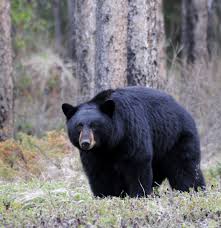
imagesN9DAOG1VThe Black Bear has the best sense on smell of any land walking mammal on Earth. It’s really hard for a human to comprehend how well a bear can smell as we basically have to stick our nose in the pot to smell the sauce. Comparing the amount of Olfactory Receptors between a human and a Black Bear is mind boggling.

Olfactory Receptors are microscopic bulbs on the end of nerves in a mammal’s nose. The more you have the better your sense of smell is.

  • Humans:
    6,000,000 Olfactory Receptors (6 million)
  • Blood Hounds:
    1,800,000,000 Olfactory Receptors (1.8 billion)
  • Black Bear:
    12,600,000,000,000 Olfactory Receptors (12.6 Trillion)

A Black Bear can smell 2100 times better than a human. In addition the Jacobson’s organ in their mouth can taste the air, adding to their brains perception. A mature Black Bear can smell your breakfast from 20 miles away if the wind is right. Big mature bears can smell better than smaller younger bears as their noses are larger and more developed. Bears also know what unnatural smells are and associate them with a human presence. This can explain why Black Bear hunters that are not fanatical about the way they smell rarely see big trophy bears. There are procedures you can do to minimize unnatural smells to keep the bears concentrating on the bait that the outfitter has put out for them.  It is wise to check with your outfitter before applying anything new to the bait station that they normally don’t use.

1) Before your bear hunting trip; pick a couple of sets of clothes that you will only wear at the tree stand while hunting. Wash your clothes with scent-free detergent and when done, run them though the wash twice again with no detergent so they are well rinsed. This will ensure your clothes are scent free. If you live in the city and have chlorinated city water then go to a pet store and buy a small bottle of Aquarium Water Conditioner and add ½ oz. to the last rinse cycle you do with your clothes. The water conditioner will neutralize the chlorine in the water and keep the chlorine smell out of your clothes. Remember, they can smell 2100 times better than you so don’t feel silly getting fanatical. Then pack the clothes in a plastic bag to keep them scent free. If you consistently use fabric softener in your clothes dryer it’s best to hang your clothes up to dry because residual clothes softener might go on your clothes. If you are a smoker, do not smoke while wearing your hunting clothes.

Before we go to the next points you should be aware that Black Bears love the smell of mint. If you go on a camping trip in any of Ontario’s provincial parks the wardens will tell you not to keep mint toothpaste or mint gum in your tent because the bears will smell it and go after it. The bears craving for mint can be used to your advantage.

2) Think Mint: Go to one of those hippy tree-hugger heath stores and buy mint soap. The morning before the hunt take a shower using the mint soap. Brush your teeth with mint toothpaste. Chew mint gum while in the tree stand and if you really want to go all the way, have a glass of mint tea before the hunt and even keep a few bags of mint tea in your pockets. This will help cover up any scent.

3) Smoking: If you are a smoker and you smoke in the tree stand you are basically wasting your time if you expect a big trophy bear to come within sight. Wind direction can give you a little luck but it’s not something you should count on. It’s best to wear a nicotine patch while in the tree stand and if you need to; chew mint gum to keep your mind off smoking. Remember to brush your teeth and wash your hands and stop smoking before you put your scent free hunting clothes on.   This would also apply to cigars and chewing tobacco as well.
IMG_6110 - Copy

Black Bear Hearing:

The shape of Black Bear’s ears is mainly responsible for their great hearing. When detecting sound based on volume a bear’s hearing is about four times that of a human. However, a bear can hear a much broader frequency range; both higher and lower frequencies. Rubbing of cloth or twisting of your tree stand can produce sounds that the bear can hear and the hunter cannot. Big old male bears develop a crowned head and their ears move out to the sides giving them stereoscopic hearing, which allows them to pinpoint the origin of the sounds they hear. This is another reason why big old bears are harder to get.

With this in mind try to stay absolutely still. If you have to move; move very slowly. Take some nose drops before the hunt and if you have a cold or allergies. If your throat is dry and itchy bring some mint flavored lozenges with you. You can also oil the joints of your tree stand to make them a little quieter.

Black Bear Sight:

During the day a Black Bear basically has the same site as a human but older bears tend to be near sighted. As a result they cannot focus on things from a long distance. When one of an animal’s senses becomes diminished their brain rewires itself to compensate by making other senses more acute. This is known as neural placidity. As a bear gets older they become near sighted so the brain compensates by being more sensitive to color differentiation. If the bear sees colors it thinks are unnatural and he sees those colors move the game is up. Bears cannot see the same range of colors as a human. Hunter orange looks gray to them. But they can see dull reds and yellows as well into the blue/green cool color spectrum. This is why there are many different forms of camouflage clothing.

Picking the right Camouflage:

You need to talk to the outfitter when you book your hunt and ask what kind of plants will be at the tree stands. If the hunt is taking place in the southern range of Ontario’s bear hunting country during the fall you may have a mix of coniferous and deciduous trees, thus you will need a camouflage that represents pine needles, pine bark and colored fall foliage. If you are father north in an area with only pine trees you will need a camouflage that represents pine bark and pine needles, which means dark brown and green. You need to blend into the scenery so their bear cannot see any unnatural color pattern.

Black Bears are nocturnal. They have a reflective layer in the back of the eye called the tarpetum lucidum. Just because you can’t see them does not mean they cannot see you. Since dusk is the hottest bear hunting time it’s also when you should concentrate the most on being quiet and motionless.

Bear Size:

In most cases, big ears mean a smaller bear. A small ear is usually a bigger bear. Once a bear reaches three years old (approx. 100 lbs.), the bear starts to grow into its ears. The ears and eyes don’t grow as much as they do in the first three years. Sometimes if a bear has a hard year with food, the ears will look bigger because the bear is thinner. Read our article:  How to Size a Black Bear

Cubs:

When a sow is with cubs, 90% of the time the cubs are in the lead. The cubs will make more noise than a single bear. Most of the time, adult bears make little or no noise.

Sow:

You can’t shoot a sow with cubs in the Ontario spring hunt, and in the fall we continue this policy on our BMA – DO NOT SHOOT SOWS with cubs.. So make 100% sure you know what you are shooting at. Take a really good look around to make sure there are no cubs. A sow’s ears are usually closer together, as a male bear’s cranium grows wider on top and the ears look farther apart. They also look smaller, which is really an illusion.

These tips and techniques are just a guide line for some things to consider and think about. Ultimately the outfitter is the person you need to discuss the different factors with. Bear hunting can be quite different in different regions.

CHECK OUT OUR FISHING BLOG

WEBSITE    RATES     FISH    HUNT    CABINS    PHOTOS
TESTIMONIALS    BROCHURE    HUNT BOOKLET

Enter your email address to subscribe to this blog and receive notifications of new posts by email.

← Back

Thank you for your response. ✨

Email Me....


Tags: , , , , , , , , , ,

KNIFE BLADES – Guide

how-to-knife=guide=wawang-lake

WEBSITE    RATES     FISH    HUNT    CABINS    PHOTOS
TESTIMONIALS    BROCHURE    HUNT BOOKLET

Enter your email address to subscribe to this blog and receive notifications of new posts by email.

← Back

Thank you for your response. ✨

Email Me....

 
Leave a comment

Posted by on December 5, 2015 in hunting, knives, Wawang Lake Resort


Tags: , , ,

Man Saves 375 lbs. Black Bear From Drowning

1

Rescuing a 375 lb. Male Black Bear

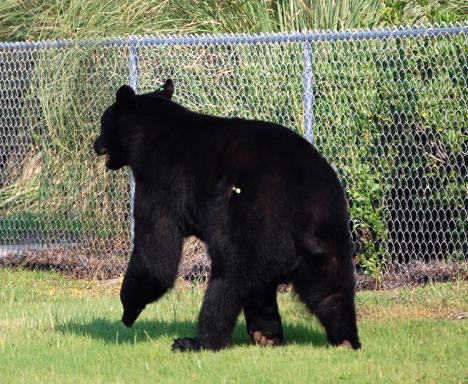
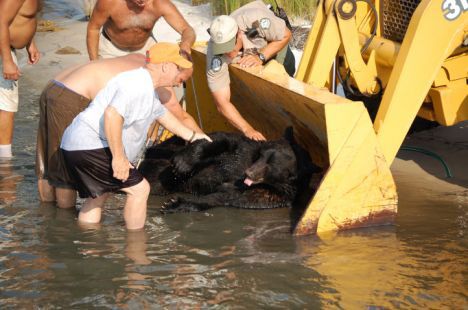
Florida Fish and Wildlife Conservation Commission biologist Adam Warwick just couldn’t let the bear drown, so he took off his shirt and dove after it. The 375 lbs black bear had been spotted in a residential area, obviously looking for food, and was shot with a tranquilizer dart. Unfortunately, before it went under, it jumped in the water of the Gulf of Mexico.

2

On this photo you can see the tranquilizer dart

3

After watching the dramatic rescue effort unfold, local resident Thad Brett brought his digger to the beachfront to carry the bear away.

Follow our FISHING BLOG

WEB   RATES     FISH    HUNT    CABINS    PHOTOS
TESTIMONIALS    BROCHURE    HUNT BOOKLET

Enter your email address to subscribe to this blog and receive notifications of new posts by email.

← Back

Thank you for your response. ✨

Email Me....


Tags: , , , , , , , ,

Nine Year Old Girl Shoots Grizzly Bear

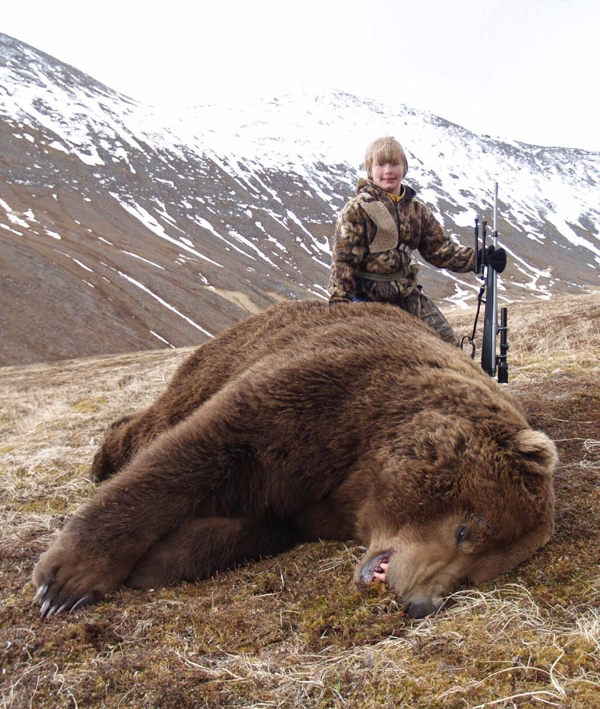
You may have heard a story of a little 9-year old girl that shot a World Record Alaskan Brown Bear (Grizzly Bear). Fern Spaulding Rivers did shoot a trophy Brown Bear but it was not a world record. It’s still a really interesting story.

Story from Bear Hunting Magazine is below

1
If the “biggest bear” is determined as a ratio of the size of the bear to the size of the hunter then Fern Spaulding-Rivers is probably setting records that will never be broken. The 10 year-old from Talkeetna, Alaska has already harvested great trophies of most of Alaska’s major game species, and she is a hand loading fanatic as well.

Fern’s larger caliber rifles have a muzzle brake and a recoil pad and she also wears a custom-made padded shooting vest from McCoy Shooting Armor to help her withstand big bore recoil. Fern was brown bear hunting on the Alaskan Peninsula with her father and mother on May 10th, 2006 (when she was 9 years old). She was carrying her Remington 700 Stainless chambered in .375 H&H and topped with a Zeiss Diavari Classic 1.5 – 4.5 x 18 scope. As the day progressed she and her father saw 11 bears. At one point, they were charged by a wolf, and they had to dispatch it at only 8 paces! Later, they spotted a big bruin in a gully at 32 yards.

2

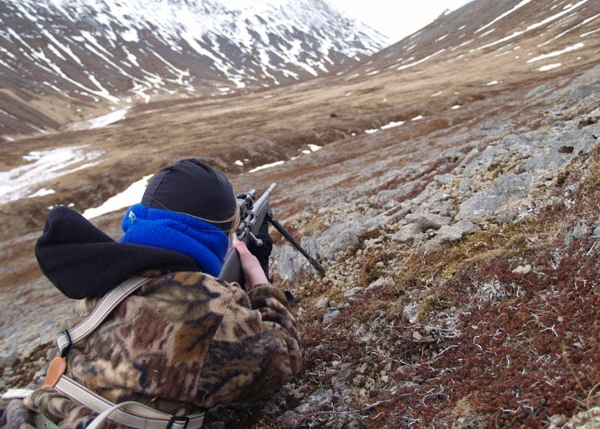
With all the excitement of the day beginning to show, Fern asked Larry to hold her legs steady while she shot because her knees were shaking. Fern rolled the bear with her first shot, but the bruin regained it’s footing and tore off across the tundra. Shooting again from a prone position, Fern dropped the behemoth for good with a second 270 grain Barnes Triple-shock at 112 yards. The United States Fish and Wildlife Service measured the bear’s hide at 11’4″ from nose to tail. The skull has been officially scored at 29 1/16″ Boone and Crockett. What does Fern think of bear hunting? “Do you know how big an 11′ bear looks at 30 yards? It’s really kind of scary! They are about the size of a Volkswagen bus and when they swing their head to look your way they remind you of a T-Rex in Jurassic Park!”

3

Her trophy brown bear now puts her in an elite class. Fern is a tremendous example to young hunters everywhere, and she is a great hunter regardless of her age.

WEBSITE    RATES     FISH    HUNT    CABINS    PHOTOS
TESTIMONIALS    BROCHURE    HUNT BOOKLET

Enter your email address to subscribe to this blog and receive notifications of new posts by email.

← Back

Thank you for your response. ✨

Email Me....


Tags: , , , , , , , , ,

Baking Soda to Cover Your Scent

Baking soda, the same stuff that deodorizes the fridge and is the key to scent-control system before a hunt.

CN7BBG empty box on white background

Take a soda shower.
The stuff can rub your skin raw if you use it straight, so mix a few tablespoons with some liquid no-scent soap.  Sometimes showering with straight unscented soap, can still leave an odor.

Make a soda-and-clothes lasagna style.
Use baking soda like any other powdered detergent to wash your clothes. Dry them, lay a few items in a plastic tote, sprinkle a layer of soda on that, put in another layer of clothing, sprinkle more soda, and so on until the tote is full. Then place an open box of baking soda in with the clothes and seal the tote up.

Sprinkle your boots.
Obviously, your feet are one of the smelliest body parts because they’re constantly sweating inside your boots,   If boots are wet with perspiration after a hunt, put them on a boot dryer and then sprinkle in some baking soda.  You’ll have very few animals cut your track after applying this tip.

WEBSITE    RATES     FISH    HUNT    CABINS    PHOTOS
TESTIMONIALS    BROCHURE    HUNT BOOKLET

Enter your email address to subscribe to this blog and receive notifications of new posts by email.

← Back

Thank you for your response. ✨

Email Me....

 
2 Comments

Posted by on November 26, 2015 in hunting, hunting equipment, Wawang Lake Resort


Tags: , , , , , , , , ,

Prehistoric Deer That Make Modern Deer Look Tiny

If ancient hunters from the ice age were still alive today, they would probably be wondering what shrunk all the deer.

Deer come in all kinds of shapes and sizes, and for the most part, prehistoric deer look much like their modern equivalents (moose, whitetail, elk, caribou, musk deer, etc.). One thing that is different however, is the sheer size. In times past, massive deer with antlers that span the width of barns doors roamed across the land, coexisting with saber-toothed tigers and wholly mammoths.

The earliest deer actually came from diminutive animals (Archaeomeryx and Dicrocerus) and barely rose more than a few feet off the ground. Throw in a few million years of evolution though, and you get something much bigger. Here are five of the largest prehistoric species in the deer family.

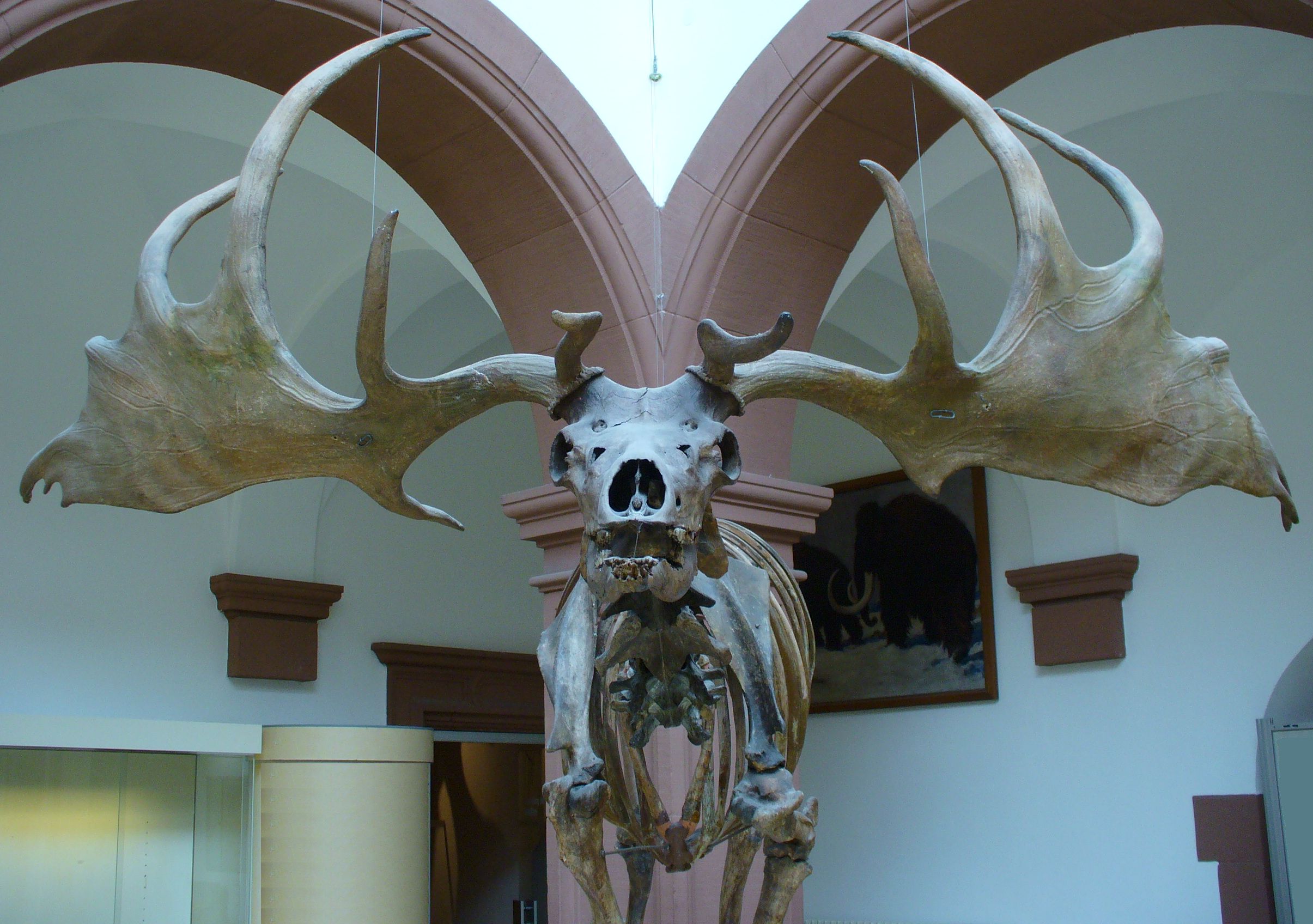
1. Irish elk (Megaloceros giganteus)

Image from I, Atirador on the Wikimedia Commons.

Image from I, Atirador on the Wikimedia Commons.

The Irish elk, commonly referred to as giant deer, is one of the largest deer species that ever lived. With well-preserved specimens being found in the peat bogs of Ireland, scientists estimated that these massive creatures stood about 7 feet tall at the shoulders on average, weighed well over 1,600 pounds, and carried the largest antlers of any known deer species. Just a full rack by itself could weigh up to 90 pounds. With all these characteristics, the Irish elk can be seen as a mega-sized version of the modern moose.

Irish elk first surfaced towards the end of the Pleistocene Epoch roughly 100,000 years ago. Specimens found in Siberia show that the species was still present as recent as 7,000 years ago, meaning it was likely a prime game animal for early human hunters. The species was found widely across Europe, Asia, and Africa and it is believed that hunting by humans may have have played a part in their decline. Believe it or not, scientists actually say their large and unwieldy antlers were most to blame for the elk’s eventual extinction.  A decrease in high-quality forage was unable to sustain massive deer with equally massive antlers, and some speculate that the deer failed to grow smaller to adjust.

You can get a sense of how big Irish elk were compared to humans in the video below:

Species of the Megaloceros genus are all honorable mentions on this list due to their size, and uniqueness of their antlers. Below is an artist’s depiction of them.

Image from Apokryltaros on the Wikimedia Commons.

Image from Apokryltaros on the Wikimedia Commons. From left to right are M. savini, M. cazioti, M. obscurus, M. pachyosteus, M. giganteus, and M. verticornis.

2. Stag-moose (Cervalces scotti)

Image from dantheman9758 on the Wikimedia Commons.

Image from dantheman9758 on the Wikimedia Commons.

Imagine a large modern moose with the head of a deer and you would have some picture of what the stag-moose looked like. This creature from the Pleistocene epoch lived alongside other megafauna such as giant beavers, woodland musk ox, and the dreaded dire wolf. Stag-moose can grow up to 1,500 pounds and reached 8 foot at the shoulder. Unfortunately, its large size did not help it any when the ice age ended, and competition between large-bodied animals lead to a mass extinction event in North America. Eventually, the stag-moose was replaced by the now iconic plains bison.

Experts say that the animal’s downfall may be due to its inability to adapt to warming temperatures. The stag-moose was hyper-adapted to ice and snow, with razor sharp hooves designed to break ice and a thick coat to survive frigid temperatures. Due to its large size, the stag-moose was more than capable of fighting of predators such as ancient brown bears, wolves, and the American cave lion. It is believed that the stag-moose was also a popular target for early human hunters.

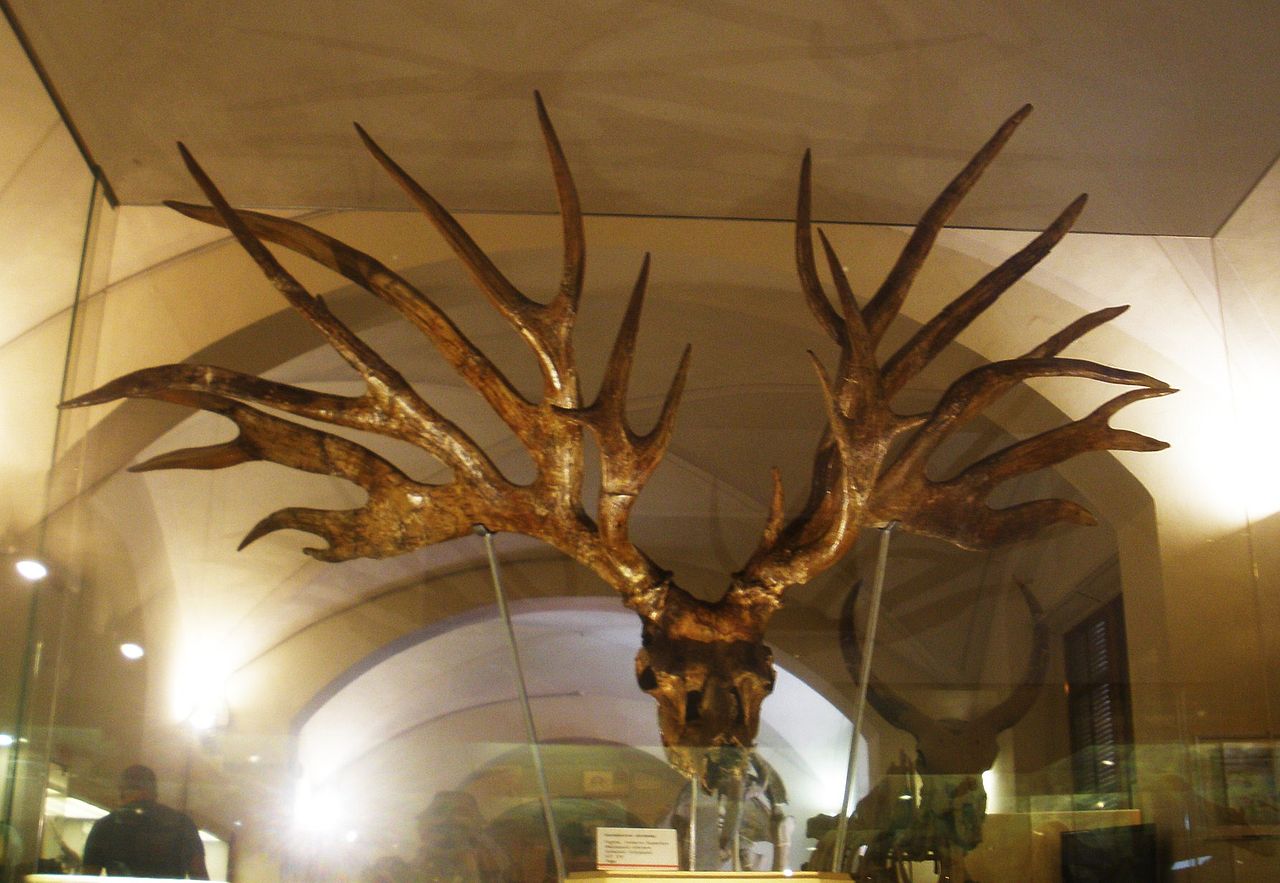
3. Bush-antlered deer (Eucladoceros dicaranios pictured)

Image from Ghedoghedo on the Wikimedia Commons.

Image from Ghedoghedo on the Wikimedia Commons.

These large deer may not be the heaviest on this list, but they certainly have some of the most interesting antlers. The Eucladoceros genus was nicknamed the “bush-antlered deer” because of the unique shape of their racks. Their comb-like antlers can split into twelve tines per pedicle and were up to six feet wide. It is believed that due to the shape of the antlers, they were used mostly for presentation than any actual fighting.

Species within the genus could be found across Europe and Asia and date back to the Early Pleistocene.

4. Broad-fronted moose (Cervalces latifrons)

Image from Ghedoghedo on the Wikimedia Commons.

Image from Ghedoghedo on the Wikimedia Commons.

This is it, the be-all, end-all of large deer. The broad-fronted moose is the largest deer to have ever existed—probably—and was so large, it weighed twice that of the Irish elk. If you’ve been keeping track, that puts this massive animal at well over 3,000 pounds! It was also surprisingly fast for its size since its long limbs allow for a gait known as “silt-locomotion,” which allows it to run quickly through snow or bogs.

The animal lived in the colder parts of Europe and Asia during the end of the Pleistocene epoch and eventually crossed over into North America where it evolved into the stag-moose. Experts are still uncertain whether ones that stayed in Europe eventually developed into modern moose, or died out entirely after the end of the ice age.

5. Broad-antlered deer (Libracles gallicus pictured)

Image from Stanton F. Fink on the Wikimedia Commons.

Image from Stanton F. Fink on the Wikimedia Commons.

One of the earliest deer on this list, the Libracles genus lived during the Pliocene period starting 2.5 million years ago. These deer was not especially large, but had the largest antlers proportional to their body size, rivaling that of the great Irish elk. Despite being only slightly large that modern deer, the species of the Libracles genus sport antlers over two meters wide. Not surprisingly, some scientists suspect that this genus is the early ancestor of the Meglaoceros.
By:  Daniel Xu

Follow our FISHING BLOG

WEB   RATES     FISH    HUNT    CABINS    PHOTOS
TESTIMONIALS    BROCHURE    HUNT BOOKLET

Enter your email address to subscribe to this blog and receive notifications of new posts by email.

← Back

Thank you for your response. ✨

Email Me....


Tags: , , , , , ,

YES, I’M STUPID!

by M.R. James

I’VE SAID IT BEFORE and I’ll say it again. If you hunt from a treestand without wearing a safety harness, you might as well wear a great big sign that reads “Yes, I’m stupid!” Stupid! Stupid! Stupid!

Only this morning I read another news account of a bowhunter found dead at the base of his tree stand. And while he reportedly had a safety harness with him, it was in his pocket. So what happened? No one will ever know the details of why and how he died. But he’s dead and that’s a damn shame.

Somehow I can’t help but believe that like some folks now reading these words, the guy believed it could never ever happen to him.  But it could and did.

He was wrong. Dead wrong! And so are you if you think you’re bulletproof.

Treestands can be a deer hunters best friend and worst enemy. Hunting from trees is the most consistently successful method to tag game, but each year falls injure and kill hunters.

STATISTICS SAY ODDS ARE one-third of bow hunters are destined to take a tumble while climbing into, out of, or while in elevated stands. Think about that. Can you name anyone who’s fallen? I sure can and so can most of the veteran bow hunters I know. It can happen to anyone. Anytime. Anywhere.

Believe it!

Wearing a safety harness is mandatory when hunting from elevated stands. It’s also smart to wear a climber’s strap or safety line when climbing into and out of stands.

A friend of mine, who was with me when I arrowed my first Montana bull elk, died of a broken neck years later while hunting bears from a tree stand. No one knows why and how he fell, but somehow he did and he’s dead.

Another friend fell while hanging a stand. He survived but suffered severe injuries – and still walks with a bad limp. Another guy I know is paralyzed and “lives” in a wheelchair because he’ll never walk again. And even though I wasn’t hunting at the time, I once lost my balance and jumped backwards from an eight-foot stepladder while trimming tree limbs, cold cocking myself when I banged my head on the ground. This list of accidental falls could go on and on. Sadly, it does.

SO HOW DO WE STAY SAFE? We begin by recognizing the fact each and every one of us is vulnerable and we must never climb without wearing a fall restraint safety harness. Ever! If we won’t do it for ourselves, we should do it for family and friends who would have to attend our funeral, visit us in the hospital, or feed, dress, and to tend us because we’re paralyzed and we can’t do it for ourselves.

When hunting alone, we also make sure a hunting buddy or family member knows exactly where we’ll be and when we expect to be home. We slip a cell phone and a whistle into our pocket or pack in case we fall and can’t walk to get help. And we take pains to be safe each and every time we climb a tree, especially in cold, wet, or icy weather. We not only wear a safety harness but add a lineman’s climbing strap or treestand lifeline for use when climbing up and down to and from a stand. We never climb while holding our bow or other hunting gear, raising and lowering hunting tackle with a haul line. We always keep three of four contact points (hands and feet) with the ladder or steps when climbing into or out of stands. And once in the tree stand, we immediately buckle ourselves in and do not unbuckle until just before climbing down. This is the most dangerous time frame we face while hunting from elevated stands.

Here’s a hunter’s-eye view of a couple of feeding does. Knowing you’re securely buckled in allows you to focus on making the shot, not fretting about falling.

Finally, prior to using our hang-on or climbing stands, steps, and ladders, we inspect them for any sign or wear or damage. We check support cables and tighten bolts and screws, if necessary, and double check all straps.

BACK WHEN I RAN BOW HUNTER MAGAZINE, I repeatedly included little reminders designed to make readers think of safety. One of my favorites was, “Bow hunting Safety Is No Accident!”

It was true then and it’s true today.

But the bottom line is we are the ones responsible for keeping ourselves safe. We are the ones who must recognize the need to be proactive in doing whatever is necessary to avoid injury or death. We are the only ones who must admit that a life-changing or life-ending accident could happen to us.

Because doing anything less is downright stupid!

Follow our FISHING BLOG

WEB   RATES     FISH    HUNT    CABINS    PHOTOS
TESTIMONIALS    BROCHURE    HUNT BOOKLET

Enter your email address to subscribe to this blog and receive notifications of new posts by email.

← Back

Thank you for your response. ✨

Email Me....


Tags: , , , , , , , , ,

Ozonics: How Does it Work?

DSC_0173
Thankfully, wild turkeys don’t have a sense of smell, like deer, or we’d never outfox one. However, turkeys often thrive in deer habitat. Many seemingly perfect spring gobbler set-ups have been blown by a snorting deer that entered the hunter’s scent stream. A unique device called “Ozonics” can change that by eliminating human odor. It’s especially effective in an enclosed space, such as a turkey or deer blind. This unit works in spring or fall and has captured the interest of sportsmen, yet many aren’t sure how it works. Here’s the explanation from the manufacturer.

ozonics0b00a4ed-2288-483c-8cf7-b8e2d7d42280Neutralize a mature buck’s best defense, its nose, and a hunter’s chances of success rise dramatically. Cover scents, hunting clothes washed in scent-free detergents, avoiding a buck’s core area during the prime time to hunt because the wind isn’t right… Hunters are obsessed with scent, and for good reason. A deer’s nose is truly its best sense.

1041It’s not often a new hunting product revolutionizes the sport. Ozonics is just such a product. O1041zonics is the only scent-control product that deals with your human scent zone. Simply, there is nothing else like it. Ozonics is an in-the-field ozone generator. An Ozonics Unit electronically changes oxygen into ozone, which destroys your human scent zone. Ozonics blankets your scent zone with scent-destroying ozone propelled by a quiet fan. The ozone is unstable, so it will bond with your scent molecules, rendering them indistinguishable to the nose of a deer.Ozonics should be positioned 6 to 10 inches above you and angled downward. Use a wind tracker to detect wind direction, and then aim Ozonics downwind. Heavy ozone molecules generated by the Ozonics Unit fall through your scent zone. The ozone concentration is heaviest in the direction Ozonics is facing and closer to the unit. This is why knowing wind direction is important. Reducing your scent profile means more ozone reaches your scent stream.

Best of all, Ozonics is guaranteed. If you do not experience a dramatic reduction in the number of downwind deer that bust you, Ozonics will refund your money in the same calendar year as purchase.

Follow our FISHING BLOG

WEB   RATES     FISH    HUNT    CABINS    PHOTOS
TESTIMONIALS    BROCHURE    HUNT BOOKLET

Enter your email address to subscribe to this blog and receive notifications of new posts by email.

← Back

Thank you for your response. ✨

Email Me....


Tags: , , , , , ,